
Cote d'Ivoire Travel Health Guide: Malaria Risk Nationwide, a Required Yellow Fever Shot, and the World's Top Cocoa Producer
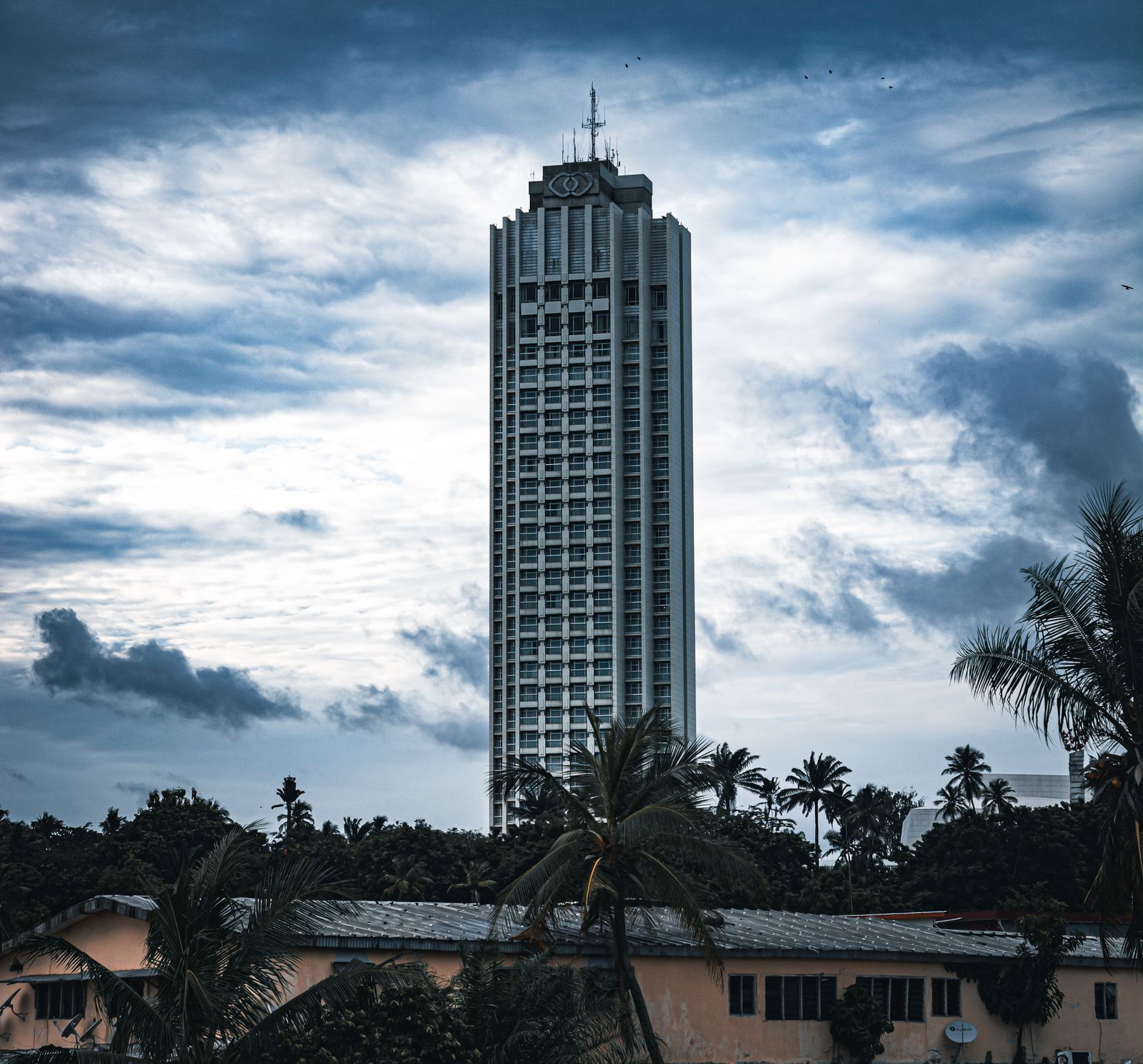
Cote d'Ivoire carries malaria risk in every region of the country, one of the few West African destinations where the CDC recommends antimalarials nationwide rather than by elevation or district. The World Health Organization estimates roughly 8.6 million malaria cases and nearly 10,800 deaths here in 2024, and proof of yellow fever vaccination is required for entry regardless of where you are arriving from. Our clinical team prescribes Malarone (atovaquone-proguanil) for every Cote d'Ivoire itinerary, reviews your trip against the US State Department's current Level 2 advisory, and confirms your routine and destination vaccines before you fly. Start your visit on Wandr.
Cote d'Ivoire Travel Health Guide: Malaria Risk Nationwide, a Required Yellow Fever Shot, and the World's Top Cocoa Producer
Cote d'Ivoire carries malaria risk in every region of the country, one of the few West African destinations where the CDC recommends antimalarials nationwide rather than by elevation or district. The World Health Organization estimates roughly 8.6 million malaria cases and nearly 10,800 deaths here in 2024, and proof of yellow fever vaccination is required for entry regardless of where you are arriving from. Our clinical team prescribes Malarone (atovaquone-proguanil) for every Cote d'Ivoire itinerary, reviews your trip against the US State Department's current Level 2 advisory, and confirms your routine and destination vaccines before you fly. Start your visit on Wandr.
Quick Facts: Cote d'Ivoire Health at a Glance
- Region: West Africa, on the Gulf of Guinea, bordered by Liberia, Guinea, Mali, Burkina Faso, and Ghana. Economic capital: Abidjan. Official capital: Yamoussoukro. Major visitor draws: Abidjan's Plateau skyline and Ebrie Lagoon, the UNESCO-listed colonial town of Grand-Bassam, the Basilica of Our Lady of Peace in Yamoussoukro, and Tai and Comoe National Parks.
- CDC/WHO Malaria Risk: Present year-round in all parts of the country, including Abidjan. Chloroquine-resistant Plasmodium falciparum is the dominant strain.
- Key Health Risks: Malaria nationwide, a required yellow fever vaccination, traveler's diarrhea, meningitis (seasonal, December through June), rabies from animal bites, schistosomiasis in freshwater lakes and rivers, and heat and humidity along the coast.
- Recommended Vaccines: Yellow fever (required for entry), typhoid, hepatitis A, hepatitis B for longer stays, routine vaccines confirmed current, and meningococcal vaccine for dry-season travel or extended stays.
- Recommended Medications: Malarone (atovaquone-proguanil) for malaria prevention, an antibiotic for traveler's diarrhea, motion sickness coverage for lagoon and coastal boat transport, and something for sleep and flight anxiety on the long-haul journey.
- US State Department Advisory: Level 2, Exercise Increased Caution, updated February 18, 2026, with a Level 4, Do Not Travel, designation for the northern border region due to terrorism and crime, plus a piracy notice for nearby coastal waters.
- Travel Insurance Recommended: Yes, including medical evacuation coverage, given the malaria burden and the US Embassy's limited ability to provide services outside Abidjan.
Overview
Cote d'Ivoire, still widely known in English as Ivory Coast, is West Africa's largest economy and the world's leading cocoa producer, supplying roughly 2.4 million tonnes of cocoa in 2023, close to 44% of global output, according to industry production data. That economic weight comes with a genuinely large and diverse country to plan around: a humid Atlantic coastline anchored by Abidjan, a modern city of skyscrapers and lagoons; a colonial-era beach town at Grand-Bassam with UNESCO World Heritage status; the world-record-sized Basilica of Our Lady of Peace in the official capital, Yamoussoukro; and forested national parks, Tai and Comoe, that hold some of West Africa's last significant populations of forest elephants and chimpanzees.
The health planning picture here is more demanding than in many popular safari or beach destinations, and that is the single most important thing to understand before you go. Cote d'Ivoire is not a country where malaria risk is confined to a few rural districts or high-transmission months. It circulates nationwide, all year, including in Abidjan itself. Our clinical team's approach to every Cote d'Ivoire itinerary starts from that fact.
Malaria: The Risk That Shapes Everything Else
Malaria transmission occurs throughout Cote d'Ivoire, in every region and every season, which is why antimalarial medication is recommended for essentially all travelers regardless of itinerary or trip length. According to the World Health Organization's 2025 World Malaria Report, Cote d'Ivoire recorded an estimated 8.6 million malaria cases and roughly 10,817 malaria deaths in 2024, with 31.9 million people, nearly the country's entire population, living in an area at risk. Malaria prevalence among children under five actually rose over the last decade, from 18% in 2011 to 26% in 2021, a trend the WHO profile attributes partly to gaps in preventive treatment coverage: only about 34.6% of pregnant women received the full three-dose course of intermittent preventive therapy recommended during pregnancy.
There is genuine progress alongside that burden. In July 2024, Cote d'Ivoire became the first country in the world to introduce the R21/Matrix-M malaria vaccine into its routine childhood immunization schedule, a milestone in the broader fight against the disease. That vaccine is aimed at protecting Ivorian infants, not international travelers, and it does not replace antimalarial medication for visitors.
Transmission peaks during the rainy seasons, April through July in the center of the country and July through September in the north and along the coast, but risk never drops to zero, even in Abidjan during the drier months. Plasmodium falciparum, the species responsible for the most severe disease, predominates, and chloroquine-resistant strains are established across the country. Our clinical team prescribes Malarone (atovaquone-proguanil) for Cote d'Ivoire itineraries: it is taken starting one to two days before arrival, daily during the trip, and for seven days after departure, a shorter post-travel course than older antimalarials require.
Yellow Fever: Required, Not Optional
Cote d'Ivoire is one of roughly 30 African countries where proof of yellow fever vaccination is required for entry, regardless of where you are traveling from. This is not a recommendation travelers can skip; land, sea, and air arrivals without a valid International Certificate of Vaccination or Prophylaxis, the "yellow card," risk vaccination on arrival under conditions far less controlled than a pre-trip appointment, or denial of entry altogether. The WHO and CDC have considered a single dose to provide lifelong immunity since 2016, so a certificate from years ago generally still counts, but travelers should get vaccinated at least 10 days before arrival for it to be considered valid.
The Meningitis Belt: A Seasonal Vaccine Most Travelers Miss
Northern Cote d'Ivoire sits within the African meningitis belt, the band of sub-Saharan countries where meningococcal meningitis outbreaks cluster during the dry season, roughly December through June. The CDC recommends meningococcal vaccination for travelers to belt countries during this window, especially for extended stays, close contact with local communities, or travel off the standard tourist circuit. Travelers on a short Abidjan-and-beaches trip outside the dry season carry lower risk than someone spending weeks in the northern interior during January, but our providers review each itinerary's region and timing before deciding whether this vaccine belongs on the list.
Traveler's Diarrhea and Other Everyday Risks
Traveler's diarrhea is the most common health complaint among visitors to West Africa, driven by food and water preparation standards that differ from what most US travelers are used to. Our clinical team recommends an antibiotic on hand for it: azithromycin is our first-line choice given rising fluoroquinolone resistance in parts of the region, with ciprofloxacin as an alternative. An antispasmodic (dicyclomine) can help with the cramping that comes with it, and an anti-nausea medication like ondansetron is worth packing regardless of the cause.
Freshwater exposure is its own separate risk. Lakes, slow-moving rivers, and irrigation canals across Cote d'Ivoire can carry schistosomiasis, a parasitic infection acquired through skin contact with contaminated water, not by drinking it. Avoid wading or swimming in untreated freshwater; the lagoons and rivers around Abidjan and the interior are not the place for a casual dip, however inviting they look.
Rabies circulates in domestic and stray animals nationwide. Any animal bite or scratch, even one that seems minor, needs prompt wound cleaning and medical evaluation, since post-exposure treatment is time-sensitive and not something to delay until you are home. Pre-exposure rabies vaccination is worth discussing with our providers for extended stays, work involving animals, or travel into remote areas with limited access to care.
Getting Around: Lagoon Ferries and Coastal Roads
Abidjan is built around the Ebrie Lagoon, and lagoon ferries (bateaux-bus) are a common way to cross between the city's districts. Grand-Bassam and other coastal towns involve additional boat and coastal-road travel. For travelers prone to motion sickness, a scopolamine patch or meclizine covers both the ferries and the winding coastal roads between Abidjan and the interior. The coastal climate is hot and humid nearly year-round, and long transit days plus jet lag on the flight over are common reasons travelers ask about something for sleep; hydroxyzine is our clinical team's usual choice for short-term flight anxiety and sleep support, alongside general pain and fever relief (ibuprofen) for the inevitable headache or muscle ache after a long trip.
The tropical humidity also makes fungal skin irritation and heat rash more common than travelers expect, particularly on multi-day trips without reliable air conditioning. A combination antifungal and steroid cream, clotrimazole-betamethasone, is a simple thing to pack for exactly that.
The Security Picture: A Level 2 Advisory With a Real Regional Carve-Out
The US State Department currently places Cote d'Ivoire at Level 2, Exercise Increased Caution, in an advisory last updated February 18, 2026, citing crime, terrorism, civil unrest, health issues, and piracy in nearby waters. The advisory carries a specific Level 4, Do Not Travel, designation for the country's northern border region, where the militant group JNIM has crossed from neighboring Burkina Faso to carry out attacks in border districts. The US Embassy has told American citizens it has limited ability to provide routine or emergency services outside Abidjan, and government personnel face restrictions including a ban on nighttime driving outside major cities without a two-vehicle convoy.
For the large majority of travelers visiting Abidjan, Grand-Bassam, Yamoussoukro, and the southern coast, this advisory looks similar to many popular destinations at Level 2 status. The northern border area, however, is a genuinely different risk category and is not part of a typical tourist itinerary. Read the current State Department advisory for your specific route before booking, and register your trip with the Smart Traveler Enrollment Program if your itinerary includes anything beyond the standard southern circuit.
No Altitude Risk to Plan Around
If you are coming from a Kilimanjaro or Andes itinerary, Cote d'Ivoire is a welcome contrast on this front. The country's terrain tops out along the shared Nimba massif on the Guinea border, at roughly 1,752 meters (5,748 feet), and Mont Zo, the highest point located entirely within Ivorian territory, reaches only about 1,144 meters (3,753 feet). Both sit well below the 2,500-meter threshold where altitude sickness becomes a genuine medical concern, so acetazolamide and other altitude precautions are not part of a standard Cote d'Ivoire packing list.
Practical Prep Timeline
Start your health prep four to six weeks before departure if possible, since the yellow fever vaccine needs at least 10 days to become valid and some vaccine series take multiple visits. At minimum:
- 4-6 weeks out: Book your yellow fever vaccine appointment and confirm typhoid and hepatitis A coverage. Discuss meningococcal vaccination if your itinerary includes the northern interior during dry season.
- 1-2 weeks out: Start Malarone if your prescribing schedule calls for early initiation, and fill your traveler's diarrhea and motion sickness prescriptions.
- Before you fly: Confirm your yellow fever certificate is in hand (physical or digital, per current entry requirements), review the State Department's current advisory for your specific route, and pack your full medication kit rather than planning to buy items locally.
Medical Disclaimer
This guide is for general educational purposes and does not replace individualized medical advice. Health risks, vaccine requirements, and travel advisories change, and our clinical team reviews your specific itinerary, health history, and travel dates before prescribing anything. Visa, entry, and immigration requirements are set by the government of Cote d'Ivoire and the US Department of State; confirm current requirements directly with the Embassy of Cote d'Ivoire or travel.state.gov before you travel, since this guide does not make visa or immigration determinations.
Frequently Asked Questions
Do you need vaccines for Cote d'Ivoire? Yes. Yellow fever vaccination is required for entry regardless of where you are arriving from, and the CDC recommends typhoid and hepatitis A for most travelers. Hepatitis B is recommended for longer stays, and meningococcal vaccination is worth discussing for dry-season travel to the northern interior.
Do I need malaria pills for Cote d'Ivoire? Almost certainly, yes. Malaria transmission occurs nationwide and year-round, including in Abidjan, which is unusual even among West African destinations. The World Health Organization estimates roughly 8.6 million malaria cases in the country in 2024. Our clinical team prescribes Malarone (atovaquone-proguanil) for essentially every Cote d'Ivoire itinerary.
Is Cote d'Ivoire safe to visit right now? The US State Department places Cote d'Ivoire at Level 2, Exercise Increased Caution, as of its February 18, 2026 update, similar to many popular international destinations. The exception is the northern border region, which carries a Level 4, Do Not Travel, designation due to terrorism and crime; that area is outside a typical Abidjan, Grand-Bassam, and southern-coast itinerary.
Is the tap water safe to drink in Abidjan? Bottled or properly treated water is the safer default throughout Cote d'Ivoire, including Abidjan. Traveler's diarrhea from food and water is the most common health complaint among visitors to the country, so our clinical team recommends carrying a treatment on hand rather than relying on local water quality.
Do you need a yellow fever vaccine for Cote d'Ivoire? Yes, and it is a requirement, not just a recommendation. Cote d'Ivoire is one of roughly 30 African countries requiring proof of yellow fever vaccination for entry from any origin. Get vaccinated at least 10 days before arrival; the WHO and CDC consider a single dose valid for life since 2016.
Is there a meningitis risk in Cote d'Ivoire? Northern Cote d'Ivoire sits within the African meningitis belt, where outbreaks cluster during the dry season, roughly December through June. The CDC recommends meningococcal vaccination for travelers to belt regions during this period, particularly for extended stays or travel off the main tourist circuit.
Can I swim in Cote d'Ivoire's lagoons and rivers? Freshwater lakes, rivers, and canals can carry schistosomiasis, a parasitic infection acquired through skin contact with contaminated water. Avoid swimming or wading in untreated freshwater, including the lagoons around Abidjan; ocean beaches and properly maintained pools do not carry this risk.
Is altitude sickness a concern in Cote d'Ivoire? No. The country's highest terrain, along the Guinea border, reaches only about 1,752 meters (5,748 feet), and its highest point located entirely within Ivorian territory is roughly 1,144 meters (3,753 feet). Both are well below the 2,500-meter range where altitude sickness typically becomes a concern.
Sources
- World Health Organization, World Malaria Report 2025, Cote d'Ivoire country data, via Severe Malaria Observatory: https://www.severemalaria.org/countries/la-cote-divoire
- World Health Organization, Malaria 2024 Cote d'Ivoire country profile: https://www.who.int/publications/m/item/malaria-2024-civ-country-profile
- US Department of State, Cote d'Ivoire Travel Advisory (updated February 18, 2026): https://travel.state.gov/content/travel/en/traveladvisories/traveladvisories/cote-d-ivoire-travel-advisory.html
- Passport Health, Travel Vaccines and Advice for Cote d'Ivoire (CDC-sourced vaccine and malaria prevention guidance): https://www.passporthealthusa.com/destination-advice/cote-divoire/
Related Wandr Content
- Malaria Prevention for Travelers: The Complete Guide
- Yellow Fever Vaccine for Travelers: Country-by-Country Requirements
- Travel Health Guide: Ghana
- Travel Health Guide: Senegal
Our clinical team reviews every Cote d'Ivoire itinerary before prescribing, from the malaria prevention plan to your traveler's diarrhea kit. Start your visit on Wandr, browse the full medication catalog, or explore vaccine appointment booking and travel insurance options before you fly.
Mark Karam, PA-C is a board-certified Physician Associate with emergency and urgent care experience and co-founder of Wandr Health.