
Travel Health Guide: Ghana. Yellow Fever, Malaria Pills, and ER Doctor Tips for 2026
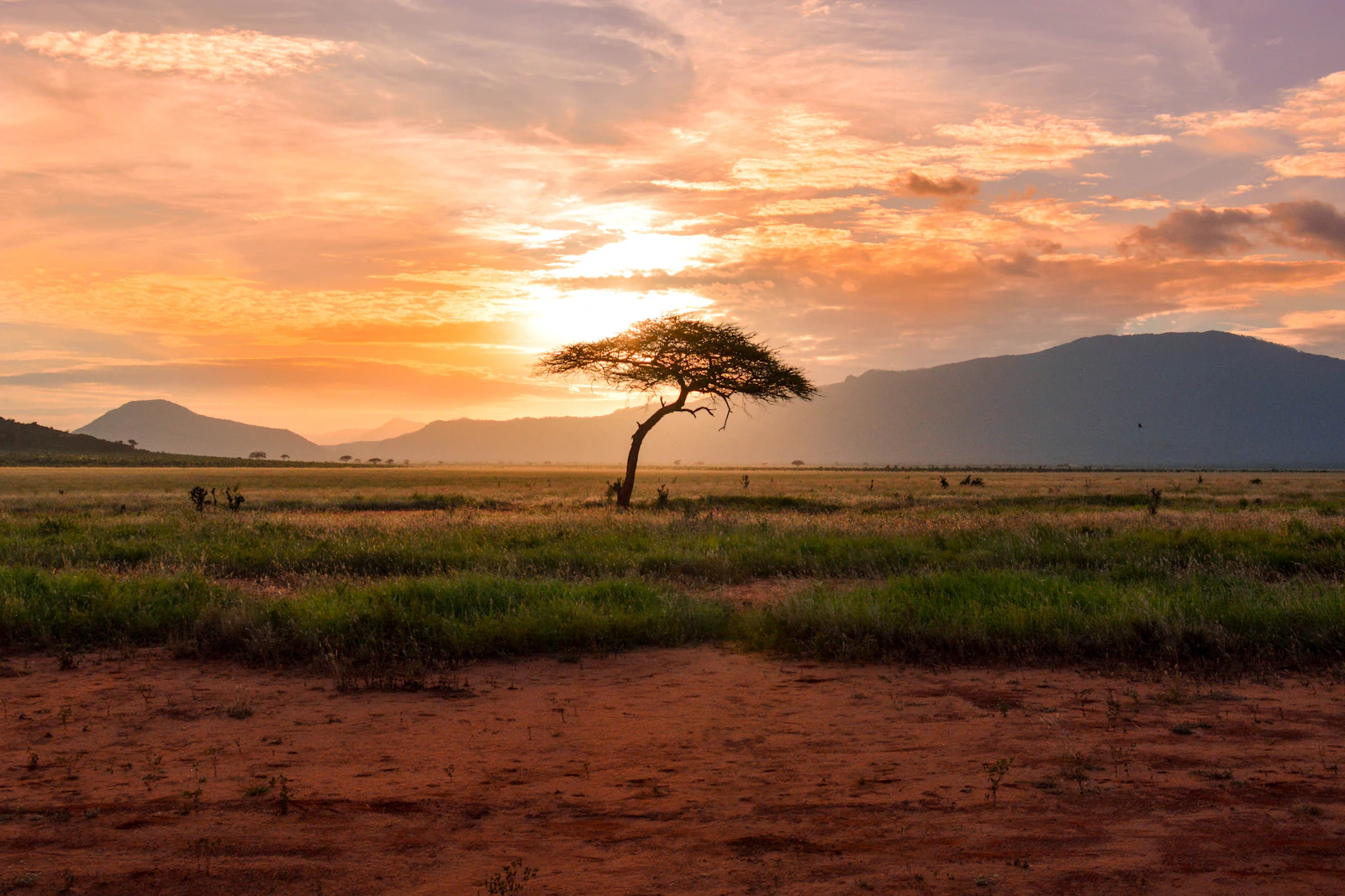
Physician-written travel health guide for Ghana. Required yellow fever vaccine, malaria prevention, traveler's diarrhea, food and water safety, and what to pack.
Travel Health Guide: Ghana
Ghana requires a Yellow Fever vaccine for entry, period. You will be asked for your International Certificate of Vaccination (the yellow card) at immigration in Accra, and travelers without it have been turned away at the border. As a physician, I tell every US traveler heading to Ghana to plan four things: get the Yellow Fever vaccine at least 10 days before departure, start malaria prevention pills (Malarone is the most common choice for short trips), update Hepatitis A and Typhoid vaccinations, and pack a self-treatment kit for traveler's diarrhea. According to the CDC, malaria is present year-round in all areas of Ghana, and roughly 30 to 50 percent of US travelers to West Africa report some form of gastrointestinal illness during their trip. Travel insurance with medical evacuation coverage is strongly recommended because high-quality emergency care in Ghana is concentrated in Accra and Kumasi.
Quick Facts
Overview: What an ER Doctor Wants You to Know About Ghana
Ghana is one of the most popular West African destinations for US travelers, drawing more visitors after the 2019 Year of Return campaign and the 2024 Black Star Experience. People come for the Cape Coast and Elmina castles, the markets and music of Accra, the savanna wildlife of Mole National Park in the north, the Ashanti history of Kumasi, and increasingly, the volunteer and academic exchange programs that bring American students and professionals for weeks or months.
In my experience treating travelers returning from West Africa, the patterns are consistent. The infections that send Americans home sick are almost always preventable with three things they did not pack: malaria pills, an antibiotic for traveler's diarrhea, and a strong DEET-based insect repellent. Yellow fever, typhoid, and hepatitis A cases are uncommon among prepared travelers and almost exclusively occur in unvaccinated travelers.
The takeaway: Ghana is a high-reward destination that requires more medical preparation than Morocco or Mexico but far less drama than people imagine. Once you have the four core items (yellow fever shot, malaria pills, traveler's diarrhea kit, and good insect repellent), you have already eliminated 90 percent of the realistic health risk. Wandr handles all four in a single online visit, which is the entire reason the platform exists.
Vaccines for Ghana
Ghana is one of the small number of countries where vaccination is not just recommended, it is enforced. Plan vaccine timing carefully because some require multiple doses or a 10-day waiting period before they count.
Required Vaccines
Yellow Fever (mandatory). Ghana requires proof of Yellow Fever vaccination for all travelers older than 9 months arriving from any country, including the United States. You must present an International Certificate of Vaccination (the WHO yellow card) at immigration. The vaccine is a single dose that provides lifelong protection for most adults and must be given at least 10 days before arrival to count. Travelers who arrive without proof have been quarantined, vaccinated on the spot at their expense, or turned away. Only certified yellow fever vaccination centers in the US can issue the official yellow card. This is exactly the kind of logistical headache Wandr is designed to remove: you book the appointment online, get the certified card, and have one less thing to worry about.
Strongly Recommended Vaccines
Hepatitis A. Hepatitis A is a viral infection of the liver spread through contaminated food and water. It is widely endemic across West Africa, and Ghana is no exception. The vaccine is a two-dose series given 6 to 12 months apart, but a single dose given at least two weeks before departure provides robust short-term protection.
Typhoid. Typhoid fever is a bacterial infection spread through contaminated food and water, and outbreaks are documented across Ghana, particularly in rural areas and during the rainy season. The injectable typhoid vaccine is given at least two weeks before travel and lasts about two years. The oral version (four capsules over a week) lasts about five years.
Hepatitis B. Recommended for travelers who may receive medical care, get a tattoo or body piercing, have new sexual contacts, or stay long enough to be exposed to bodily fluids in a clinical or community setting. Most adults under 40 received this vaccine routinely as children.
Meningococcal meningitis (ACWY). Ghana sits in the African meningitis belt. The CDC recommends vaccination for travelers visiting between December and June, when transmission peaks during the dry, dusty Harmattan season. A single MenACWY dose covers most travelers.
Rabies (pre-exposure). Worth strongly considering for travelers planning longer stays, rural travel, work with animals, or travel with children, who are more likely to approach stray dogs without warning. Rabies is endemic in Ghana, and post-exposure rabies immunoglobulin is not reliably available throughout the country. The pre-exposure series is two doses one week apart.
Cholera. Cholera outbreaks occur in Ghana, particularly in flood-affected areas and during the rainy season (May to October in the south, June to September in the north). The oral cholera vaccine (Vaxchora) is recommended for travelers who will be in outbreak areas, working in healthcare or aid settings, or staying for extended periods.
Routine vaccines to verify: MMR, Tdap, polio (booster recommended for travelers to West Africa), varicella, seasonal influenza, and current COVID-19 boosters. The CDC has highlighted polio surveillance in West Africa repeatedly over the last decade, and an adult polio booster is now standard guidance for travel to Ghana.
Book your Yellow Fever, Hepatitis A, Typhoid, and Meningitis vaccines in one online visit through Wandr instead of calling six pharmacies to track down availability. -> vaccines
Malaria in Ghana: Yes, You Need the Pills
This is the section I never want a US traveler to skim. Malaria is the single most important medical risk in Ghana, and unlike traveler's diarrhea, you cannot recover at home with rest and fluids. Severe malaria is a medical emergency.
According to the CDC, malaria is present year-round throughout the entire country of Ghana, including all major cities (Accra, Kumasi, Tamale, Cape Coast), all rural areas, and all elevations. Approximately 90 percent of malaria cases in Ghana are caused by Plasmodium falciparum, which is the most dangerous species and the one responsible for nearly all malaria deaths.
Every US traveler to Ghana, including travelers staying only in Accra, including travelers visiting only beach resorts, including travelers on a 5-day business trip, needs malaria prevention pills.
Antimalarial Options for Ghana
There are three antimalarials commonly prescribed for Ghana. Each has trade-offs worth understanding before your Wandr physician picks one.
Most US travelers to Ghana choose Malarone because it has the cleanest side effect profile and does not cause sun sensitivity, which matters in a country where you will be outside in tropical sun for hours at a time. Doxycycline is a strong second choice for longer trips because it is much less expensive and adds antibiotic coverage for some other tropical infections. Mefloquine is now a less common choice because of the neuropsychiatric side effects, though it remains an option for some travelers.
Important: chloroquine does NOT work for Ghana because of widespread Plasmodium falciparum resistance across West Africa. If anyone offers you chloroquine for Ghana, that is medical guidance from 30 years ago.
Mosquito Avoidance Is the Other Half
Pills are not 100 percent effective. The malaria mosquito (Anopheles) bites primarily at dusk and through the night, which is also when most travelers in Accra are at dinner, walking on the beach, or relaxing on a hotel balcony. Pair your prescription with:
- DEET 30 percent or picaridin 20 percent insect repellent applied to exposed skin from late afternoon onward
- Permethrin-treated clothing for evening and night, especially long sleeves and pants in rural areas
- Air-conditioned or screened sleeping rooms, or a permethrin-treated bed net if your accommodations are open-air
A 2022 study in the New England Journal of Medicine reaffirmed that combining chemoprophylaxis with effective mosquito avoidance reduces traveler malaria risk by more than 95 percent compared with no preparation. The pills do most of the work, but skipping repellent is not a smart trade.
Get Malarone or doxycycline shipped to your door before your Ghana trip. A Wandr physician reviews your itinerary and picks the right one. -> malaria
Traveler's Diarrhea: Plan for It, Do Not Hope to Avoid It
Traveler's diarrhea is the most common health complaint among visitors to Ghana, full stop. The bacteria that cause it (mostly enterotoxigenic E. coli, but also Shigella, Campylobacter, and Salmonella) are present in food and water that the local population is largely immune to but visiting Americans are not. Estimates from CDC and WHO surveillance suggest that 30 to 50 percent of travelers to West Africa develop traveler's diarrhea, with higher rates in travelers who eat from informal vendors or stay outside major cities.
The strategy that works is the same three-part kit I recommend for every developing-country destination, customized to West Africa:
- An antibiotic for moderate-to-severe cases. Azithromycin (1-gram single dose, or 500 mg daily for three days) is the current first-line for West Africa because it covers Campylobacter, which has shown widespread resistance to ciprofloxacin in this region. Ciprofloxacin (500 mg twice daily for 1 to 3 days) remains a reasonable backup but is less reliable in West Africa than it used to be.
- Loperamide (Imodium) for symptom control. This slows things down so you can travel between Accra and Kumasi, get through a long bus ride to Mole National Park, or sit through a Cape Coast Castle tour without panic.
- Oral rehydration salts (ORS). Dehydration in tropical heat is what turns traveler's diarrhea into an emergency. ORS sachets weigh almost nothing and can prevent an IV drip in a clinic.
The 2023 Journal of Travel Medicine review of self-treatment kits found that travelers who carried a kit recovered roughly 24 to 48 hours faster than travelers who tried to find care abroad. In Accra, you can find a pharmacy. In northern Ghana on the way to Mole, you very much cannot.
Food and Water Safety in Ghana, Practically
The "boil it, peel it, cook it, or forget it" rule still works. Specifically for Ghana:
- Drink only sealed bottled water or properly filtered water; tap water is not safe in most of the country including major cities
- Skip ice at restaurants unless you can confirm it was made from filtered water
- Avoid raw vegetables, salads, and fruit you cannot peel yourself
- Eat meat, fish, and eggs that are fully cooked and served hot
- Be cautious with street food, which can be excellent but carries a higher risk profile; if you are eating it, choose vendors with high turnover and food cooked in front of you
- Watch out for fresh fruit juices and smoothies made with tap water or unwashed fruit
Get azithromycin or ciprofloxacin shipped to your door before your Ghana trip. -> travelers diarrhea
Other Health Risks Worth Knowing About
Dengue Fever
Dengue is increasingly reported in urban areas of Ghana, particularly Accra and during the rainy season. Unlike malaria mosquitoes, the Aedes mosquitoes that carry dengue bite during the day. There is no specific medication for dengue, so prevention is the entire game: DEET, long sleeves, and avoiding stagnant water. The Dengvaxia vaccine is generally not recommended for US travelers.
Schistosomiasis
Schistosomiasis is a parasitic infection acquired by skin contact with freshwater containing the parasite. Lake Volta is a known transmission site, as are smaller rivers and streams across Ghana. The simple rule: do not swim, wade, or stand in any freshwater in Ghana that is not a chlorinated pool. Saltwater (including ocean swimming at Cape Coast or Busua) is safe for schistosomiasis.
Heat Illness and Sun Exposure
Coastal Ghana is hot and humid year-round. The northern regions are hotter and drier, with temperatures often above 100 degrees Fahrenheit during the dry season. As an ER physician, I see more travelers admitted for heat exhaustion and dehydration than for any single tropical infection. Plan for it: hat, sunscreen SPF 30 or higher, electrolyte hydration, and pacing your activity, especially around midday.
Road Safety
This is a travel medicine point that does not get enough attention. Road traffic injuries are the leading cause of death and serious injury for international travelers in Ghana, far ahead of any infectious disease. Avoid driving yourself if possible, use seatbelts in any vehicle that has them, avoid travel by motorcycle or motorbike taxi, avoid travel between cities at night, and choose well-known transport companies for intercity travel.
Air Quality
The Harmattan winds (December to March) bring Saharan dust south through Ghana. Travelers with asthma or COPD should pack their inhalers and budget extra rescue doses during this season.
Travel Insurance for Ghana: Strongly Recommended
I almost never tell travelers an insurance product is essential, but Ghana is the exception. High-quality emergency care in Ghana is concentrated in Accra and Kumasi. If you have a serious medical event in northern Ghana, on the Cape Coast, or anywhere outside a major city, the right care is going to involve transport to a major hospital or, in the most serious cases, medical evacuation to Europe or South Africa. Without insurance, a single medical evacuation flight can run $50,000 to $250,000 out of pocket.
A good Ghana policy should include: emergency medical evacuation, international hospital coverage, repatriation of remains, and trip interruption coverage in case you need to come home early for a health reason. Most US health insurance plans, including Medicare, do not cover care outside the United States.
Get travel insurance with medical evacuation coverage for Ghana through Wandr in minutes. -> travel insurance
Packing Checklist for Ghana
Use this list as a starting point for your toiletries bag. Most of these items are inexpensive, and forgetting any of them is what turns a small problem into a big one.
- Antimalarial pills for the full trip plus the post-travel days required by your medication
- Yellow Fever International Certificate of Vaccination (the yellow card)
- Hepatitis A, Typhoid, and routine vaccine records
- Azithromycin or ciprofloxacin for traveler's diarrhea
- Loperamide (Imodium) for symptom control
- Oral rehydration salts (ORS) sachets, 4 to 6
- DEET 30 percent or picaridin 20 percent insect repellent
- Permethrin spray or pre-treated clothing for evenings
- Sunscreen SPF 30 or higher, with reef-safe formula for ocean days
- Wide-brim hat and UV-protective sunglasses
- Hand sanitizer and antibacterial wipes
- Acetaminophen or ibuprofen for fever, pain, and heat headaches (avoid aspirin if dengue is a concern)
- Any prescription medication you take regularly, in original labeled bottles, plus one extra week's supply
- Copies of passport, visa, vaccination records, and insurance cards in cloud storage
- A basic first-aid kit with bandages, antiseptic, and antifungal cream
When to Start Preparing for Ghana
For Ghana, more than for almost any other destination, last-minute preparation does not work. Yellow Fever needs 10 days to count, Typhoid and Hepatitis A need 2 weeks for solid protection, and malaria pills need to be in hand before you board the flight.
Complete a free 5-minute pre-trip health check tailored to Ghana, and a Wandr physician will review your itinerary. -> pre-trip-health-check
How Wandr Saves You Time and Money on Ghana Prep
A traditional travel clinic visit for Ghana typically runs $150 to $300 for the consultation alone, plus $50 to $200 per vaccine, plus pharmacy fees and a separate trip to fill the malaria prescription. For a couple traveling together, total out-of-pocket prep can clear $1,500 before you have packed a single bag.
Wandr consolidates the same prep into one online visit: vaccines booked, malaria pills shipped, traveler's diarrhea antibiotics shipped, travel insurance quoted, and a physician review of your itinerary. No calling three pharmacies to find Yellow Fever availability, no taking a half day off work for a clinic appointment, no surprise lab fees. Most US travelers save several hundred dollars and a full day of logistics.
FAQ: Travel Health for Ghana
Do I need the Yellow Fever vaccine to enter Ghana? Yes. Ghana legally requires proof of Yellow Fever vaccination at the border for all travelers older than 9 months. The vaccine must be given at least 10 days before arrival, and you must present an official International Certificate of Vaccination (the yellow card) at immigration. Travelers without proof have been turned away.
Do I need malaria pills for Ghana, even if I am only staying in Accra? Yes. Malaria is present year-round in all areas of Ghana, including Accra and other major cities. Every US traveler to Ghana should take prescription antimalarial pills (Malarone, doxycycline, or mefloquine) for the entire trip, including all cities and rural areas.
Is the tap water safe to drink in Ghana? No. Tap water is not safe to drink in Ghana, including in Accra and Kumasi. Drink only sealed bottled water or properly filtered water, skip ice at restaurants unless you can confirm it was filtered, and avoid raw vegetables and unpeeled fruit washed in tap water.
What vaccines do I need for Ghana? Yellow Fever is required at the border. Hepatitis A and Typhoid are strongly recommended for nearly all travelers. Meningococcal vaccine is recommended for travel between December and June. Hepatitis B, Rabies, and Cholera are recommended for some itineraries. Routine vaccines including MMR, Tdap, and polio should be up to date.
How far in advance should I prepare for a Ghana trip? Start at least 8 weeks before departure. Yellow Fever requires 10 days to count, Hepatitis A and Typhoid take 2 weeks for solid protection, and malaria pills need to be filled before you fly. Travelers who book Wandr 8 to 12 weeks out have time for the cleanest prep.
Are there any current outbreaks I should know about for Ghana? Cholera outbreaks occur periodically, especially during the rainy season (May to October in the south). Meningococcal meningitis activity rises in the dry Harmattan season (December to June). Check the CDC Travel Health Notices page in the two weeks before departure for current advisories.
Is travel insurance worth it for Ghana? Yes, especially insurance with medical evacuation coverage. High-quality emergency care is concentrated in Accra and Kumasi. A single medical evacuation flight can cost $50,000 to $250,000 out of pocket without insurance. Most US health plans, including Medicare, do not cover care outside the United States.
Can I get my Ghana vaccines and malaria pills online through Wandr? Yes. Wandr offers Yellow Fever vaccine appointments, Hepatitis A and Typhoid vaccines, antimalarial prescriptions (Malarone, doxycycline, or mefloquine), traveler's diarrhea antibiotics, and travel insurance, all in one online visit. A Wandr physician reviews your itinerary before prescribing.
Sources
- Centers for Disease Control and Prevention. Health Information for Travelers to Ghana. CDC Travelers' Health.
- World Health Organization. International Travel and Health: Country List, Ghana.
- CDC Yellow Book 2024: Health Information for International Travel.
- Journal of Travel Medicine. Self-treatment of traveler's diarrhea: a 2023 systematic review.
- New England Journal of Medicine. Chemoprophylaxis and personal protection against malaria in travelers, 2022.
- Ghana Ministry of Health and Ghana Health Service. National Malaria Control Programme guidelines.
- World Health Organization. Cholera situation reports, Ghana.
About the Author
This article was written and medically reviewed by Dr. Alec Freling, board-certified emergency medicine physician who has treated returning international travelers, including from Ghana and across West Africa. Wandr Health is a physician-founded travel health platform offering vaccines, prescriptions, travel insurance, and pre-trip health checks online.
Medical Disclaimer
This article is for educational purposes and does not constitute medical advice. Travel health needs vary by individual based on age, medical history, current medications, pregnancy status, immune status, and trip itinerary. Consult a Wandr physician or your primary care provider before international travel. In a medical emergency abroad, contact local emergency services or the nearest US Embassy.
Related Reading
- Do I Need Malaria Pills? A Physician's Decision Guide
- Malarone vs Doxycycline: Which Malaria Medication Is Right for You?
- Malaria Prevention for Travelers: The Complete Guide
- Traveler's Diarrhea: Everything You Need to Know
- Cipro vs Azithromycin for Traveler's Diarrhea
- Do I Need Travel Vaccines?
- Do I Need Travel Insurance?
- Safari Season Health Guide: What Medications to Pack for Africa