
The 10-Day Patagonia Itinerary: The Health-Smart Version
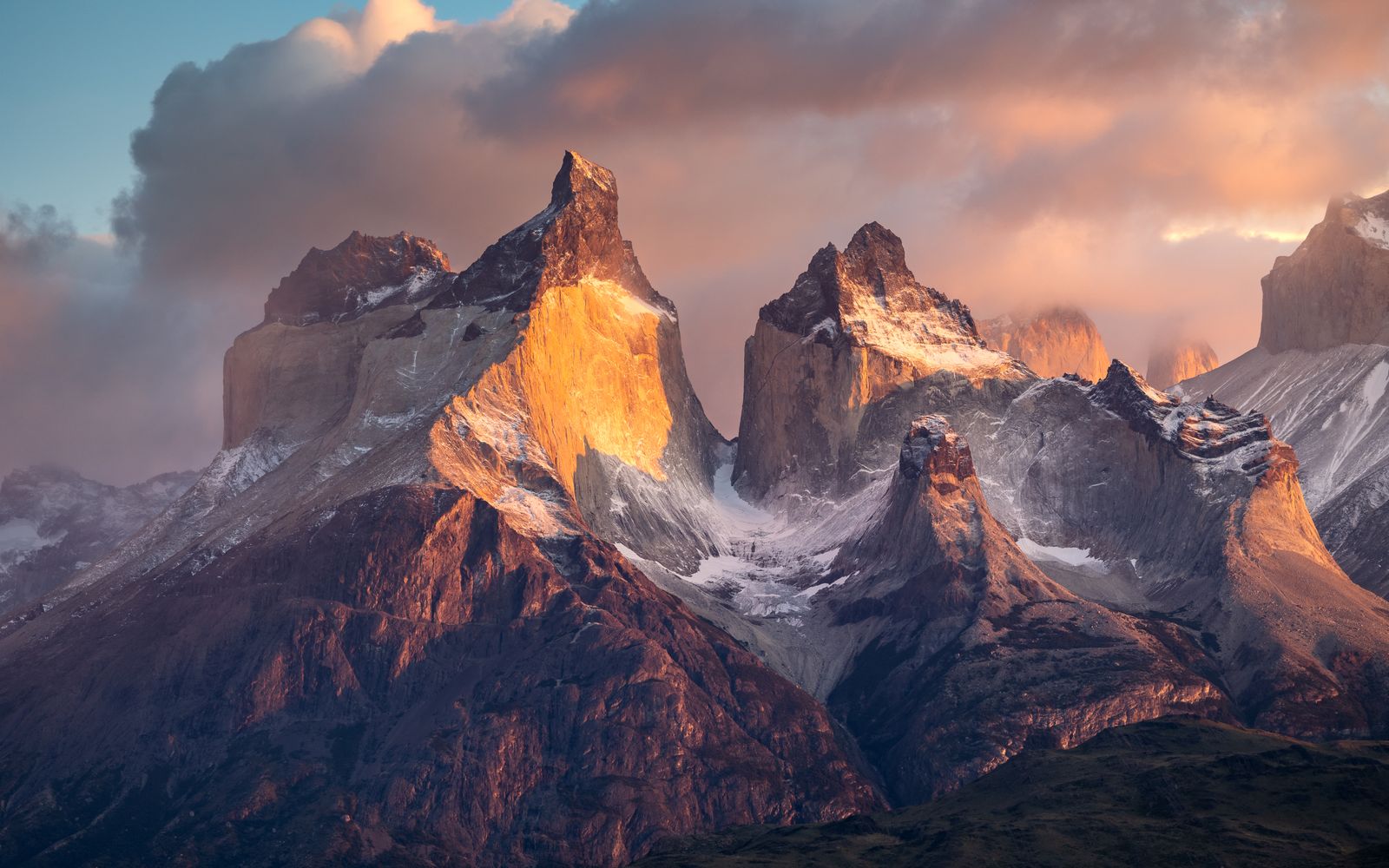
This health-smart 10-day Patagonia itinerary flies you into Santiago, then south to Puerto Natales, and builds the trip around the classic Torres del Paine W trek (70 to 80 km over 4 to 5 days, per Chilean park operators). The route stays low, under roughly 900 m, so altitude medication is not needed. The factors that actually shape this trip are wind, cold, and sun: gusts in the park reach up to 110 km/h, and UV is intensified by the regional ozone thinning over the far south. The Wandr Team build prioritizes a gear and weather buffer day, layering for fast-changing conditions, motion-sickness cover for long transfers and the Lake Pehoe catamaran, and a traveler's diarrhea plan. Speak with a provider before booking prescriptions.
Patagonia rewards preparation more than almost any trip we plan for. The hiking on the Torres del Paine W trek is not technical, but the environment is unforgiving in a specific way: the weather changes fast, the wind is genuinely strong, and the sun this far south is harsher than the cool air suggests. We built this 10-day itinerary so the trekking peaks in the middle, with a real buffer day for gear and weather at the front. Read this as planning from someone who treats returning travelers and also loves a long walk. The health work here is mostly about layers, timing, and a small kit, not heroics.
Who this itinerary is for
First-timers should treat the standard 4 to 5 day W with refugio (mountain hut) support as the spine of the trip, with the surrounding days for travel, rest, and weather margin. You need solid general fitness and some training with a loaded pack, but no climbing skills. Expect long days, sudden wind, and cold mornings.
Returning trekkers and stronger hikers can compress the refugio nights or add the French Valley fully out to the British viewpoint. Either way, the limiting factor is rarely your legs. It is whether the wind lets you walk safely on exposed sections, so build in flexibility rather than a fixed daily target.
The route
This is a Chilean Patagonia loop anchored on Torres del Paine. You fly from Santiago down to Punta Arenas, the southern gateway, then transfer about three hours north by road to Puerto Natales, the trekking town just outside the park. Puerto Natales is where you sort gear, buy supplies, register, and study the forecast before committing to the trail.
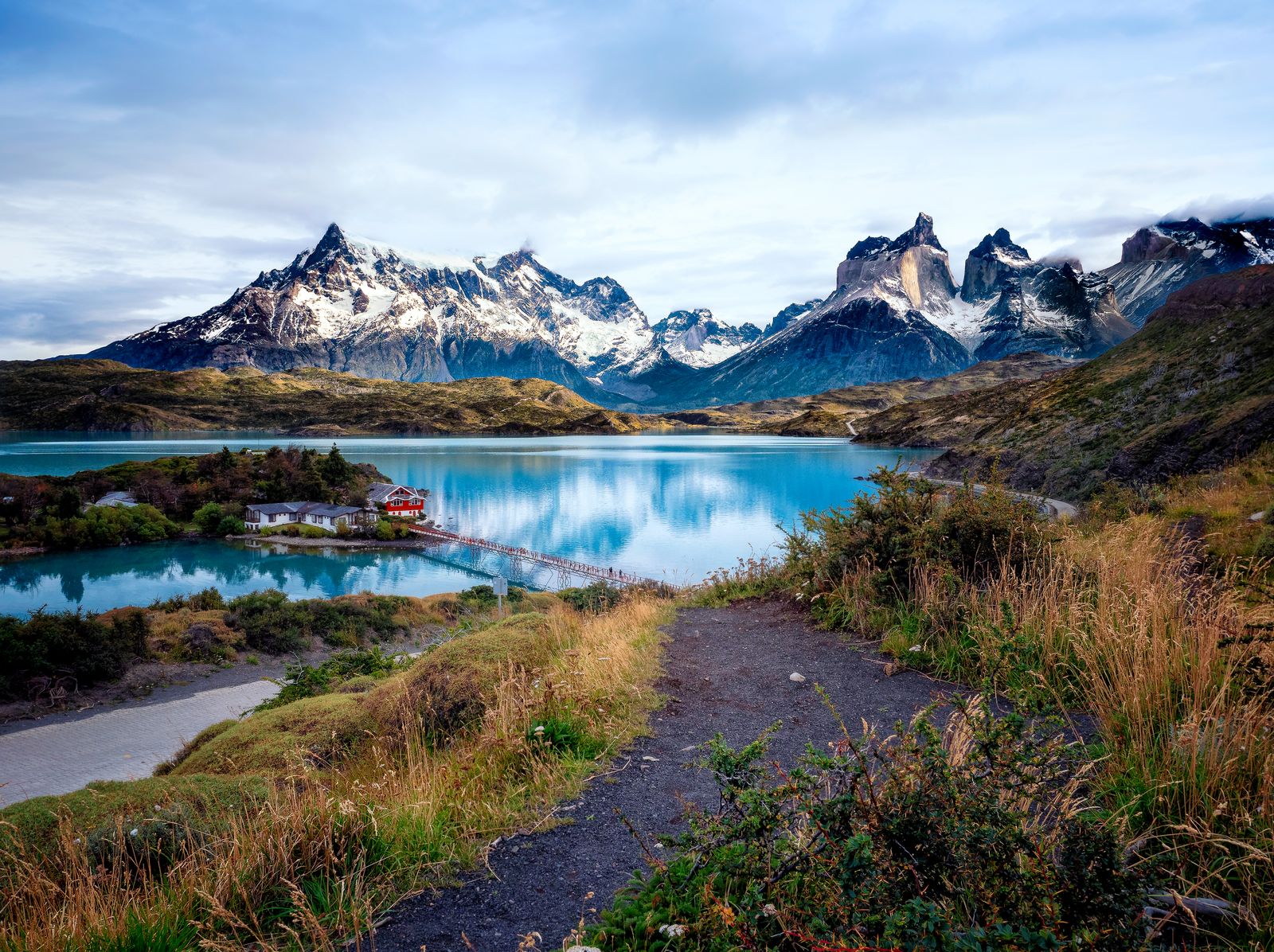
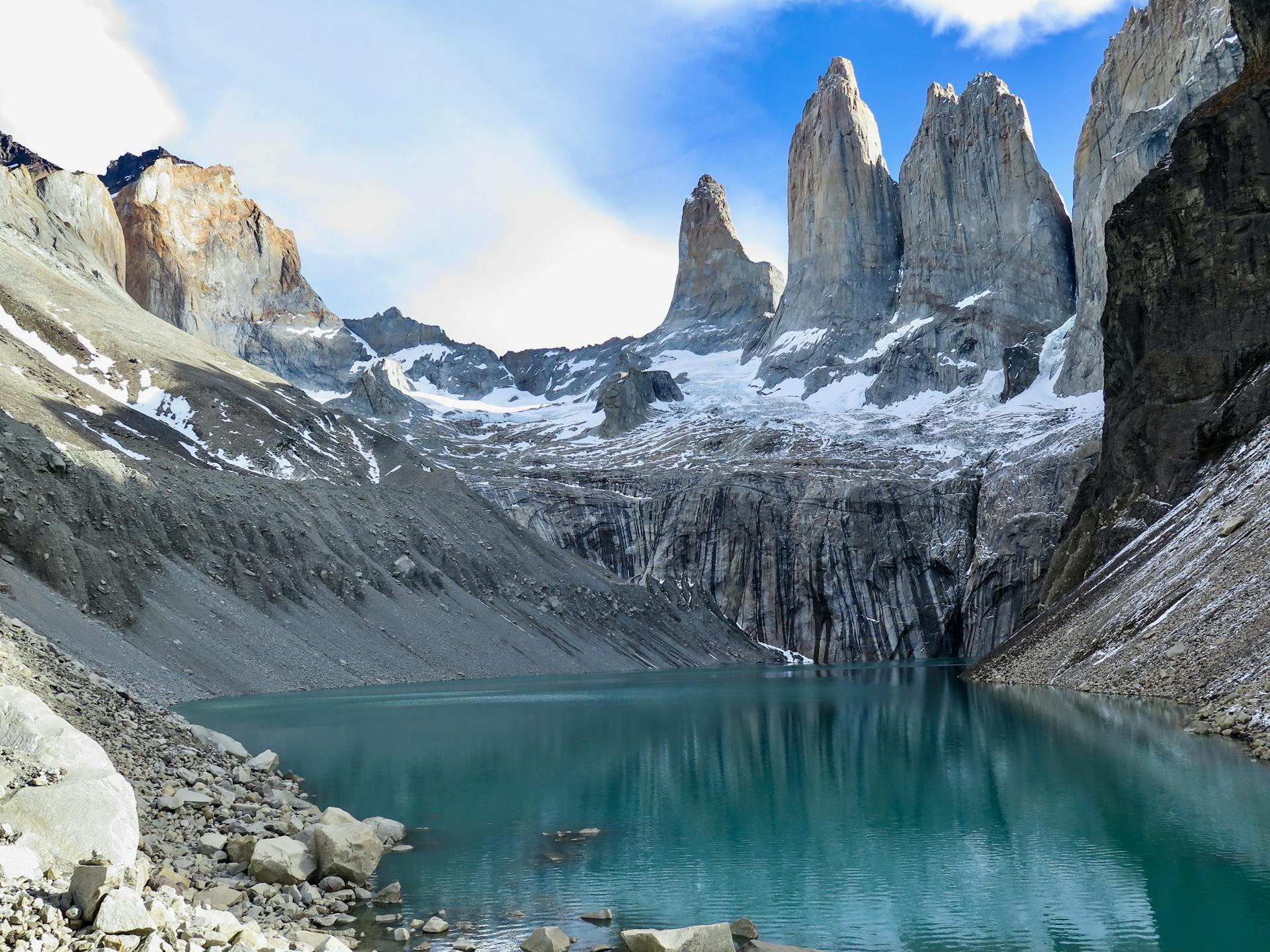
From there you enter the park and walk the W from west to east: catamaran across Lake Pehoe to Paine Grande, out to Grey Glacier, up the French Valley between the Cuernos, and finally to the Base of the Towers for the iconic granite spires. Walking west to east saves the most famous viewpoint for last and keeps the prevailing wind more often at your back. The whole W traces roughly 70 to 80 km over 4 to 5 days, per Chilean park operators, on trails that stay low enough that altitude is not a factor.
Day-by-day plan
Day 1: Arrive Santiago
Land in Santiago and overnight to break the long-haul flight. Santiago sits around 520 m, so there is no altitude concern here. Hydrate, get onto local time, and resist the urge to push straight south while jet-lagged.
Day 2: Fly to Punta Arenas, transfer to Puerto Natales
A short domestic flight drops you in Punta Arenas, followed by a bus of roughly three hours north to Puerto Natales. This is your first long transfer chain. If you are prone to motion sickness, take your medication 30 to 60 minutes before the bus rather than waiting for symptoms.
Day 3: Puerto Natales prep and weather day
This buffer day is the health centerpiece of the front half. Check or rent gear, buy trail food, and assemble your layering system: a waterproof shell, insulating mid-layer, hat, gloves, wraparound sunglasses, and high-SPF sunscreen. Study the multi-day forecast, because the wind pattern should shape which arm of the W you walk on which day.
Day 4: Enter the park, catamaran to Paine Grande
Bus to Pudeto and take the catamaran across Lake Pehoe to Paine Grande, the western base of the W. The crossing can be choppy when the wind is up, so pre-dose for motion sickness if needed. Remember that the lakes and rivers here are glacial and dangerously cold, so falling in is a serious hypothermia risk, not a refreshing dip.
Day 5: Grey Glacier arm
Walk the out-and-back toward Grey Glacier and its lookouts over the ice and floating bergs, then return to Paine Grande. Much of this trail is exposed along the lake, so check the wind before you commit. As a rule of thumb, sustained winds above about 56 km/h make walking with a pack unstable, and turning back is the right call.
Want the health prep for Chile?
Get a 60-second pre-trip check: the vaccines, prescriptions, and altitude/seasonality notes that change the plan — built for your exact dates.
Day 6: French Valley
Hike from Paine Grande to Campamento Italiano, drop your heavy pack, and ascend into the French Valley between hanging glaciers and granite walls toward the French and British viewpoints. This is a long day, often 20 km or more. Pace your fluids and calories, and reapply sunscreen even under cloud, because UV here cuts through overcast.
Day 7: Toward the Ascencio Valley
Traverse east along the shore of Lake Nordenskjold toward Refugio Chileno or the base of the Ascencio Valley, positioning for the towers. Expect sustained sun and wind exposure across open terrain. Keep skin covered, protect your eyes, and always have a warm layer within reach as conditions flip quickly.
Day 8: Base of the Towers sunrise, then exit
The signature finale is a pre-dawn climb up a steep boulder field to the Mirador Base Torres for sunrise on the spires. It is cold and dark on the final moraine, so layer deliberately for hypothermia risk at the windy viewpoint, then descend and exit the park.
Day 9: Return to Puerto Natales or Punta Arenas
A decompression day. Rehydrate, rest sore legs, eat a proper meal, and do laundry. Pay attention to any lingering gut symptoms now, while you still have easy access to a pharmacy or clinic, rather than at the airport.
Day 10: Fly home via Santiago
Fly Punta Arenas to Santiago and onward to your international connection. This is another long transfer chain, so keep your motion-sickness option handy for the flights and road segments.
Health prep for this trip
Start six weeks out with a travel clinic visit. CDC currently recommends routine vaccines be up to date for Chile, plus hepatitis A and typhoid for most travelers, since both can spread through contaminated food or water. There is no yellow fever requirement and no malaria risk on this route, which simplifies the medical picture compared with tropical trips.
The prescriptions that actually fit Patagonia are about transfers and the gut, not altitude. Talk to a provider about meclizine for the flight, the long bus, the winding park roads, and the Lake Pehoe catamaran. Discuss a traveler's diarrhea plan as well: many clinicians prescribe azithromycin 500 mg once daily for 3 days for moderate to severe cases in South America. You can review a region-specific kit on the Torres del Paine travel-medicine page, and the broader health picture on the Chile destination guide. Most travelers should carry oral rehydration salts too, and start any prescription discussion well before departure.
What to pack
Layering is the whole game here. Carry a waterproof and windproof shell, an insulating mid-layer, quick-dry base layers, a warm hat and gloves, and broken-in waterproof boots. For the relentless southern sun, bring wraparound sunglasses, a brimmed hat, and high-SPF sunscreen and lip balm. Round out the kit with a refillable bottle plus a filter or treatment, blister care, oral rehydration salts, and any prescriptions discussed with your provider.
Best time to go and what to avoid
Patagonia's trekking season is the southern summer. The table below sketches the trade-offs. Note that there is no malaria or dengue window to plan around in this region, so timing is about wind, daylight, and cold rather than disease seasonality.
Whatever the month, plan each day around the forecast and be willing to wait out a high-wind window rather than walking exposed sections in dangerous gusts.
Cost expectations
Patagonia is not a budget destination. Domestic flights, park entry, refugio beds or camping, catamaran and bus transfers, and gear rental add up, and refugios in particular book out months ahead in peak season. Reserving early protects both your budget and your itinerary, since last-minute beds inside the park are scarce and expensive.
Day-by-day plan
| Day | What you're doing | Health note |
|---|---|---|
| 1 | Arrive Santiago Land in Santiago, overnight, reset after the long-haul flight. | Hydrate and sleep on local time. No altitude concern in Santiago (about 520 m). |
| 2 | Fly south to Punta Arenas, transfer to Puerto Natales Short domestic flight, then a roughly 3-hour bus north to Puerto Natales. | Long transfer day. Take motion-sickness medication 30 to 60 minutes before the bus if you are prone. |
| 3 | Puerto Natales prep and weather day Rent or check gear, buy supplies, register, and study the forecast. | Build your layering system now: waterproof shell, hat, gloves, sunglasses, high-SPF sunscreen. |
| 4 | Enter the park, catamaran to Paine Grande, start the W (west arm) Bus to Pudeto, catamaran across Lake Pehoe, settle at Paine Grande. | The catamaran can be choppy in wind. Pre-dose for motion sickness. Glacial water is dangerously cold. |
| 5 | Grey Glacier arm Out-and-back toward Grey Glacier and its lookouts, then return to Paine Grande. | Exposed lakeside trail. Check wind before setting out and turn back if gusts exceed about 56 km/h. |
| 6 | French Valley (Valle del Frances) Hike to Campamento Italiano, drop the pack, ascend toward the French and British viewpoints. | Long day, 20 km or more. Pace fluid and calories. Reapply sunscreen even under cloud. |
| 7 | Toward the Ascencio Valley Traverse east along Lake Nordenskjold toward Refugio Chileno or the valley base. | Sustained sun and wind exposure. Cover skin, protect eyes, keep a warm layer reachable. |
| 8 | Base of the Towers sunrise, then exit Pre-dawn climb to the Mirador Base Torres, descend, and leave the park. | Steep final moraine climb in the dark and cold. Layer for hypothermia risk at the viewpoint. |
| 9 | Return to Puerto Natales or Punta Arenas Decompress, do laundry, eat well, and reflect before flying. | Rehydrate and rest sore legs. Watch for any lingering gut symptoms before travel. |
| 10 | Fly home via Santiago Punta Arenas to Santiago, then onward international connection. | Another long transfer chain. Keep your motion-sickness option handy for the flights. |
Frequently Asked Questions
Generally no. The W trek stays low, with the Base of the Towers viewpoint sitting around 900 m, well below the roughly 2,500 m threshold where acute mountain sickness typically becomes a concern. Most travelers do not need acetazolamide for this route. If your wider trip adds high-altitude side trips, ask a provider.
Weather, not disease. The park is famous for wind that ranges from a stiff breeze to gusts of up to 110 km/h, plus cold, rain, and intense sun that can all appear in a single day. Hypothermia and wind-related falls are the realistic hazards. Layering, a waterproof shell, and checking the forecast each morning matter more than any pill here.
UV exposure in far-southern Patagonia is intensified by seasonal ozone thinning over the region, and reflection off snow, ice, and water adds to it. Sunburn and snow-blindness type eye irritation are common. Most hikers should wear wraparound sunglasses, a brimmed hat, and high-SPF sunscreen reapplied through the day, even when it is overcast.
You might. The trip chains a domestic flight, a roughly 3-hour bus from Punta Arenas to Puerto Natales, winding park roads, and the Lake Pehoe catamaran, which can be rough in wind. If you are prone to motion sickness, talk to a provider about meclizine and take it 30 to 60 minutes before travel rather than once symptoms start.
Many trekkers drink from fast-flowing streams high in the park, but conditions and your own gut tolerance vary, so a filter or treatment is a reasonable precaution. For food-and-water related traveler's diarrhea, CDC advises careful food choices and hand hygiene. Carry a treatment plan in case you are caught out.
Hydrate first, using oral rehydration salts if you can. For moderate to severe cases, many clinicians prescribe an antibiotic such as azithromycin 500 mg once daily for 3 days for travel to South America. Wandr does not use the term Z-Pak. Discuss timing and whether antibiotics are appropriate for you with a provider before you travel.
The Patagonian summer, roughly November through March, offers the longest daylight and warmest temperatures, though wind peaks in this window too. Shoulder months like October and April are quieter and often calmer but colder, with shorter days and some services closed. There is no malaria or yellow fever risk in Chile, so timing is about weather, not disease seasonality.
The W is a sustained multi-day trek of 70 to 80 km with long days of 8 hours or more and steep sections, especially the final climb to the towers. You do not need technical skills, but you should train with a loaded pack beforehand. Returning trekkers can push the pace; first-timers should book the standard 4 to 5 day version with refugio support.
CDC currently lists Chile as a destination where routine vaccines should be up to date, and it recommends hepatitis A and typhoid for most travelers because both can spread through contaminated food or water. Yellow fever vaccination is not required. Confirm your specific needs with a travel clinic at least a month before departure.
The Wandr Team is the editorial group at Wandr Health; every article is reviewed by a licensed clinician before publication.