
The 8-Day Taiwan & Yushan Itinerary: The Health-Smart Version

Taiwan packs a 3,952 meter summit into an 8 day trip. This itinerary spends two nights in Taipei at sea level, moves you to Alishan at roughly 2,200 meters for two nights of genuine acclimatization, then has you sleep at Paiyun Lodge at 3,402 meters before a sunrise push to the top of Yushan. That cabin night is the medical crux: per CDC, acute mountain sickness typically begins within 6 to 12 hours of ascent above 2,500 meters, and Paiyun sits well above that line. Most climbers should start acetazolamide 125 mg twice daily the day before reaching the trailhead. As a PA who has treated altitude illness in urgent care, I built this plan around the cabin night, not the summit photo. The permit lottery draws about a month out, so paperwork and health prep run on the same calendar.
Most people spend months chasing the Yushan permit and about five minutes thinking about the altitude. That ratio is backwards. The standard route up Taiwan's highest mountain has you sleep at Paiyun Lodge, 3,402 meters up, before a 2 a.m. push to a 3,952 meter summit, and that cabin already sits above the elevation where altitude illness typically starts. I have treated enough altitude cases in urgent care to know the pattern: strong hiker, no acclimatization plan, miserable night, missed sunrise. This 8 day itinerary builds the acclimatization into the trip itself, using Taipei for the jet lag, Alishan for the altitude bridge, and a medication plan that starts the day before the trailhead.
Who this itinerary is for
This plan suits first-time visitors to Taiwan who want one serious mountain inside a normal vacation, not an expedition. You get two city days, two forest days, one climbing day, one summit day, and a recovery day. Hikers who can handle a long uphill day with a light pack will find the trail itself very manageable; it is graded, stepped, and well marked for nearly all of its length.
It is not the right plan if you want to bag multiple peaks or traverse the range. Yushan's eleven-peak massif rewards repeat trips, and the main peak done properly is the correct first bite. Returning visitors could swap the Taipei days for Tainan or Taroko, but should keep the Alishan acclimatization block intact. The altitude logic is the part of this itinerary that should not be edited.
The route
The route runs Taipei to Chiayi to Alishan to Tataka to the summit and back, a clean west coast line with no backtracking except the return to Taipei. You land at Taoyuan and spend two nights at sea level, which handles the 12 to 13 hour time shift for North American travelers before any physical work begins.
The high speed rail then drops you in Chiayi, where the mountain road climbs to the Alishan Forest Recreation Area at roughly 2,200 meters. Two nights here do real physiological work: you sleep at moderate altitude, walk trails between 2,200 and 2,500 meters, and give your body its first hypoxic signal in a low-stakes setting. This is the same climb-high, sleep-moderate logic used on bigger mountains, compressed for a one week trip.
From Alishan, a morning shuttle reaches the Tataka trailhead near 2,610 meters. Per Yushan National Park, the main trail from Tataka to Paiyun Lodge runs 8.5 km and takes a bit over 4 hours at a steady pace. You sleep at the lodge, summit at dawn, and descend the whole mountain the same day. The final leg returns you to Taipei for hot springs and recovery before the flight home.
Day-by-day plan
Day 1: Arrive Taipei, land and reset
Land at Taoyuan, take the airport MRT into the city, and base yourself near Da'an or Zhongshan. Keep the day deliberately boring: a short walk, an early dinner, and a normal local bedtime. Afternoon daylight exposure is the cheapest jet lag tool available, and for a trip with a 2 a.m. summit start five days out, arriving with your sleep already stabilizing matters more than any sight you could squeeze in today. If jet lag historically wrecks you, this is the trip to talk to a provider about a short-term sleep aid such as hydroxyzine.
Day 2: Taipei orientation and gear check
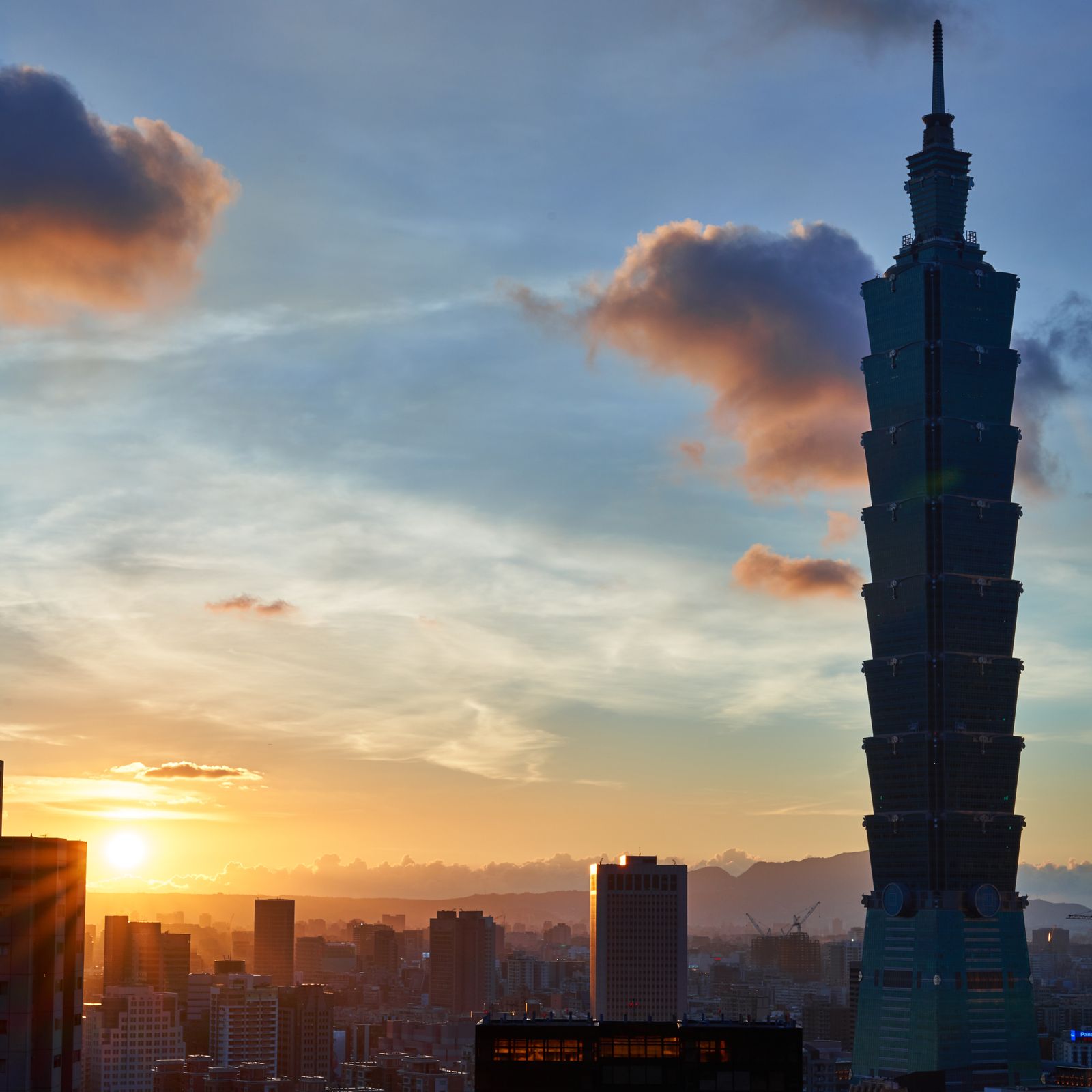
Morning at Longshan Temple and the surrounding Wanhua lanes, afternoon for last gear errands, dusk on the Elephant Mountain steps for the classic Taipei 101 view. Treat those 600 or so steps as a casual fitness check. Dinner at Raohe or Ningxia night market: choose stalls with fast turnover and food cooked hot in front of you, and favor bottled or boiled water. A routine gut upset in Taipei is rarely dangerous, but you do not want to carry one up a mountain. Confirm your permit documents and lodge booking tonight.
Day 3: High speed rail to Chiayi, up to Alishan
The HSR covers Taipei to Chiayi in about 90 minutes; the winding road up to Alishan takes another two and a half. You sleep tonight at roughly 2,200 meters, your first altitude exposure of the trip. Keep the afternoon light: the short cypress and sister ponds trails are enough. Hydrate steadily, skip alcohol entirely, and pay attention to how you feel on the evening walk. A mild headache tonight is information, not a crisis, and it is exactly why this itinerary puts Alishan between the city and the cabin.
Day 4: Alishan sunrise and acclimatization day
Take the famous sunrise train or viewpoint walk, then spend the day on forest trails between 2,200 and 2,500 meters. This is a genuine acclimatization day, not filler. Per CDC guidance, limiting the jump in sleeping altitude and adding a day at moderate elevation before sleeping higher measurably lowers AMS risk. Today is also medication day: most climbers should start acetazolamide 125 mg twice daily, the day before reaching the trailhead, per CDC dosing guidance. Expect some tingling in fingers and more frequent urination; both are known effects, not warning signs. Early dinner, early night.
Want the health prep for Taiwan?
Get a 60-second pre-trip check: the vaccines, prescriptions, and altitude/seasonality notes that change the plan — built for your exact dates.
Day 5: Tataka trailhead to Paiyun Lodge
A morning shuttle drops you at Tataka, near 2,610 meters. The trail to Paiyun Lodge is 8.5 km of graded switchbacks, boardwalk, and stone steps along the Batongguan face, with roughly 800 meters of gain. The park estimates a bit over 4 hours; with photo stops and a deliberate pace, budget 5 to 6. Walking slower than feels necessary is the single best non-drug move you can make today. At the lodge, eat a real dinner even if appetite dips, pre-pack your summit layers, and be horizontal by 8 p.m. Sleep above 3,400 meters is often light and fragmented; that is the altitude, and it is expected.
Day 6: Summit Yushan at dawn, descend
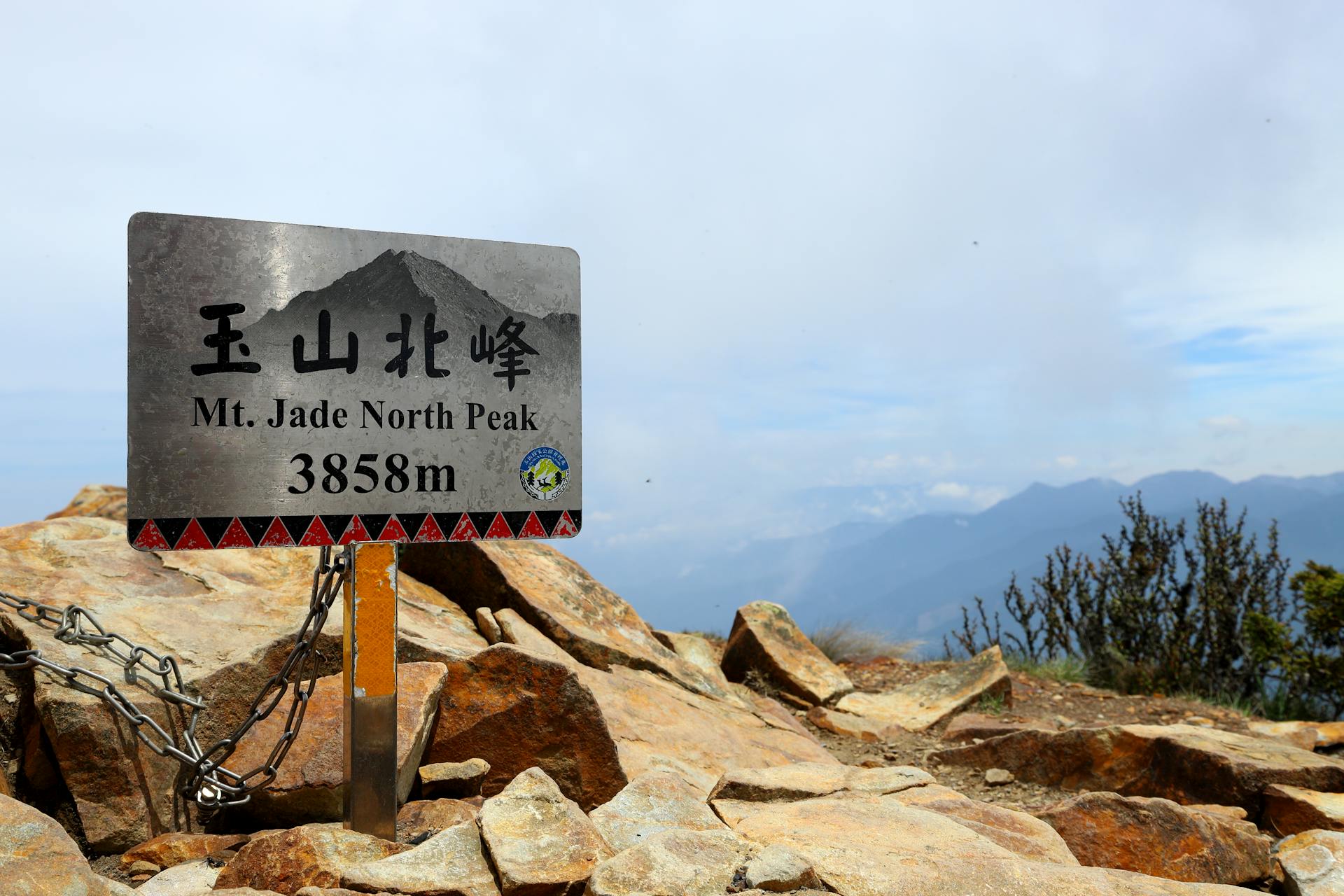
Alarms sound around 1:30 a.m. and headlamps start up the final 2.4 km, about 550 vertical meters, through the switchbacks to the exposed cabled section below the top. Sunrise from 3,952 meters, above a sea of clouds with the whole island below you, is one of the great dawn views in Asia. The summit air carries roughly a third less oxygen per breath than sea level, so expect a slow, breathy pace. If nausea hits on the upper mountain, ondansetron can settle it; a headache that worsens despite rest and fluids is a signal to descend promptly. Back at the lodge, pack out, walk the full trail down to Tataka, and transfer down toward Chiayi. It is a long, satisfying, knee-testing day.

Day 7: Return to Taipei, hot spring recovery
Train back to Taipei and head straight for Beitou, the geothermal district at the end of the red MRT line. A long soak, a slow dinner, and a full night of sleep do most of the repair work from the summit day. Mild fatigue and heavy legs are normal; chest symptoms or shortness of breath at rest are not, and deserve medical attention rather than a hot spring. If you have energy left, the National Palace Museum is twenty minutes away and mercifully horizontal.
Day 8: Depart Taipei
Coffee, one last breakfast shop run, airport MRT, home. On the flight, walk the aisle every couple of hours, keep water at your seat, and go easy on alcohol. You are flying home with a summit most visitors to Taiwan never see.
Health prep for this trip
The medical planning for Yushan is altitude planning. Per CDC, acute mountain sickness typically begins 6 to 12 hours after arrival above 2,500 meters, and this trip has you sleeping at 3,402 meters within 48 hours of leaving Alishan. CDC guidance supports acetazolamide 125 mg twice daily for prophylaxis on ascent profiles like this one, started the day before ascent and continued until descent begins. The Taiwan and Mount Jade travel medicine bundle covers the three prescriptions this itinerary is built around: acetazolamide for AMS prevention, hydroxyzine for the jet lag of a major time shift and the broken sleep before a 2 a.m. start, and ondansetron for altitude or food related nausea.
Vaccines are the quieter piece. CDC recommends travelers to Taiwan be current on routine immunizations, with hepatitis A and typhoid worth discussing for street food focused trips. Review your status on our vaccines page about six weeks out. No malaria prophylaxis is indicated for Taiwan, and the Taiwan destination guide covers the broader health picture beyond this route.
What to pack
- Broken-in hiking shoes with real tread, plus camp sandals for the lodge
- Layers for a 25 degree Celsius spread: summit dawns near freezing, Chiayi afternoons are hot
- Headlamp with fresh batteries, and a backup
- 2 liter water capacity, electrolyte tabs, and summit snacks you actually like
- Your travel medicine kit: acetazolamide, hydroxyzine, ondansetron, ibuprofen for the ordinary headaches
- Sunscreen and sunglasses; UV at 3,900 meters is unforgiving
- Printed permits, passport, and lodge confirmation
- A power bank; there are no outlets for guests at Paiyun
Best time to go and what to avoid
Two things to avoid outright: summiting through a typhoon watch, and compressing the itinerary by cutting the Alishan block. The first is obvious. The second quietly removes the acclimatization that makes the cabin night tolerable, and per CDC, rapid ascent is the primary modifiable risk factor for AMS.
Cost expectations
Taiwan is one of the better value serious-mountain trips anywhere. Beyond international airfare, expect roughly 150 to 250 USD per day for two people traveling comfortably: HSR tickets run about 35 USD each way, Alishan lodging 80 to 150 USD a night, and a Paiyun Lodge bed with meals under 40 USD. The permit itself is nearly free; its real cost is the lottery odds. Guided packages that bundle permits, transport, and the lodge typically run 300 to 500 USD per person and are worth it if your dates are fixed.
Day-by-day plan
| Day | What you're doing | Health note |
|---|---|---|
| 1 | Arrive Taipei, land and reset Land at Taoyuan, settle in near Da'an or Zhongshan, easy evening walk. | Get outside in afternoon light and hold a normal local bedtime to start resetting a 12 to 13 hour time shift. |
| 2 | Taipei orientation and gear check Longshan Temple, Elephant Mountain at dusk, night market dinner, final gear and permit check. | Choose busy night market stalls with high turnover and stick to bottled or boiled water while your gut adjusts. |
| 3 | High speed rail to Chiayi, up to Alishan (2,200 m) HSR to Chiayi, mountain road to Alishan Forest Recreation Area, short forest walks, early night. | Tonight is your first sleep at altitude. Hydrate, skip alcohol, and note how you feel on the evening walk. |
| 4 | Alishan sunrise and acclimatization day Sunrise viewpoint, giant cypress trails between 2,200 and 2,500 meters, quiet afternoon. | Most climbers should start acetazolamide 125 mg twice daily today, the day before reaching the trailhead. |
| 5 | Tataka trailhead to Paiyun Lodge (3,402 m) Shuttle to Tataka, hike 8.5 km up the main trail to Paiyun Lodge, early dinner and headlamp prep. | Paiyun's sleeping altitude is already above the 2,500 meter line where CDC says AMS typically begins. Pace slow, eat, hydrate. |
| 6 | Summit Yushan at dawn (3,952 m), descend 2 a.m. start, sunrise on Taiwan's highest point, descend the full trail to Tataka, transfer down toward Chiayi. | Ondansetron can settle summit-morning nausea if it hits. A worsening headache that does not respond to rest means descend, not push. |
| 7 | Return to Taipei, hot spring recovery Train back to Taipei, soak at Beitou hot springs, slow food day. | Mild fatigue is normal after a summit day. Rebuild fluids and sleep before the long flight home. |
| 8 | Depart Taipei Morning coffee, airport MRT to Taoyuan, fly home. | Move and stretch on the flight. Keep water within reach and alcohol minimal to land feeling human. |
Frequently Asked Questions
Many climbers benefit from it. The standard itinerary has you sleep at Paiyun Lodge at 3,402 meters, which is well above the 2,500 meter threshold where the CDC says acute mountain sickness typically begins. Because most people reach that altitude within two days of leaving sea level, CDC guidance supports acetazolamide 125 mg twice daily for prophylaxis, started the day before ascent. Speak with a licensed provider about whether it fits your health history.
CDC guidance is to start acetazolamide the day before you begin ascending, then continue until you have started descending or for about two days at your highest sleeping altitude. On this itinerary that means starting on Day 4 in Alishan, the day before you hike from Tataka to Paiyun Lodge. A provider can tailor the timing to your exact plan.
Paiyun Lodge sits at 3,402 meters. Altitude illness risk tracks with sleeping altitude more than daytime high points, and per CDC, symptoms typically develop 6 to 12 hours after arrival at altitudes above 2,500 meters. That puts the highest-risk window overnight at the lodge, right before your 2 a.m. summit start. If you wake with a severe or worsening headache, vomiting, or confusion, the safe move is down, not up.
It is higher. Yushan's main peak is 3,952 meters versus Fuji's 3,776, so the summit air carries meaningfully less oxygen than sea level. The trail itself is well built: per Yushan National Park, the main route from Tataka to Paiyun Lodge is 8.5 km and takes roughly 4 or more hours, with another steep push to the summit. Fit hikers manage it, but the altitude, the pre-dawn start, and the broken cabin sleep are what turn people back.
The lottery for Paiyun Lodge beds is drawn about a month before your hike date, and weekend draws are competitive. If you miss it, you can re-enter for weekday dates, join a licensed local operator that handles permits, or keep the Alishan portion of this itinerary and add high trails around the recreation area, which still reach 2,200 to 2,500 meters. Do not attempt to summit without a permit; rangers check at the trailhead.
Malaria is not a concern for travelers on this route, and no antimalarial medication is indicated for Taiwan. Dengue does occur in Taiwan, but a 20 year epidemiological analysis found more than 98 percent of locally transmitted cases cluster in the south around Tainan, Kaohsiung, and Pingtung, not on this Taipei and high mountain route. Sensible mosquito precautions in lowland areas during summer are still reasonable.
You should be comfortable hiking 6 to 8 hours with a light pack on sustained uphill grades. The route gains roughly 800 meters from Tataka to Paiyun Lodge and another 550 to the summit, much of it on stone steps and boardwalk with some cabled sections near the top. If you can train with long stair or hill sessions in the months before, the limiting factor becomes altitude, which this plan manages with pacing and medication rather than fitness alone.
October through December and March through April generally offer the most stable weather and the clearest sunrise views. Summer brings typhoon season and afternoon storms, and winter ascents can require snow gear and additional permits. The park also closes the main trail for a period most winters for ecological recovery, so check the Yushan National Park trail status page before locking dates.
A small number of single day permits exist, but compressing the climb removes the acclimatization the overnight version gives you, and per CDC, rapid ascent is the primary driver of acute mountain sickness. Sleeping at Paiyun and summiting at dawn is both the safer altitude profile and the better experience. If you must do it in a day, the case for starting acetazolamide beforehand gets stronger, not weaker.
Mark Karam, PA-C is a board-certified Physician Associate with emergency and urgent care experience and co-founder of Wandr Health.