
The 7-Day Maldives Itinerary: The Health-Smart Version
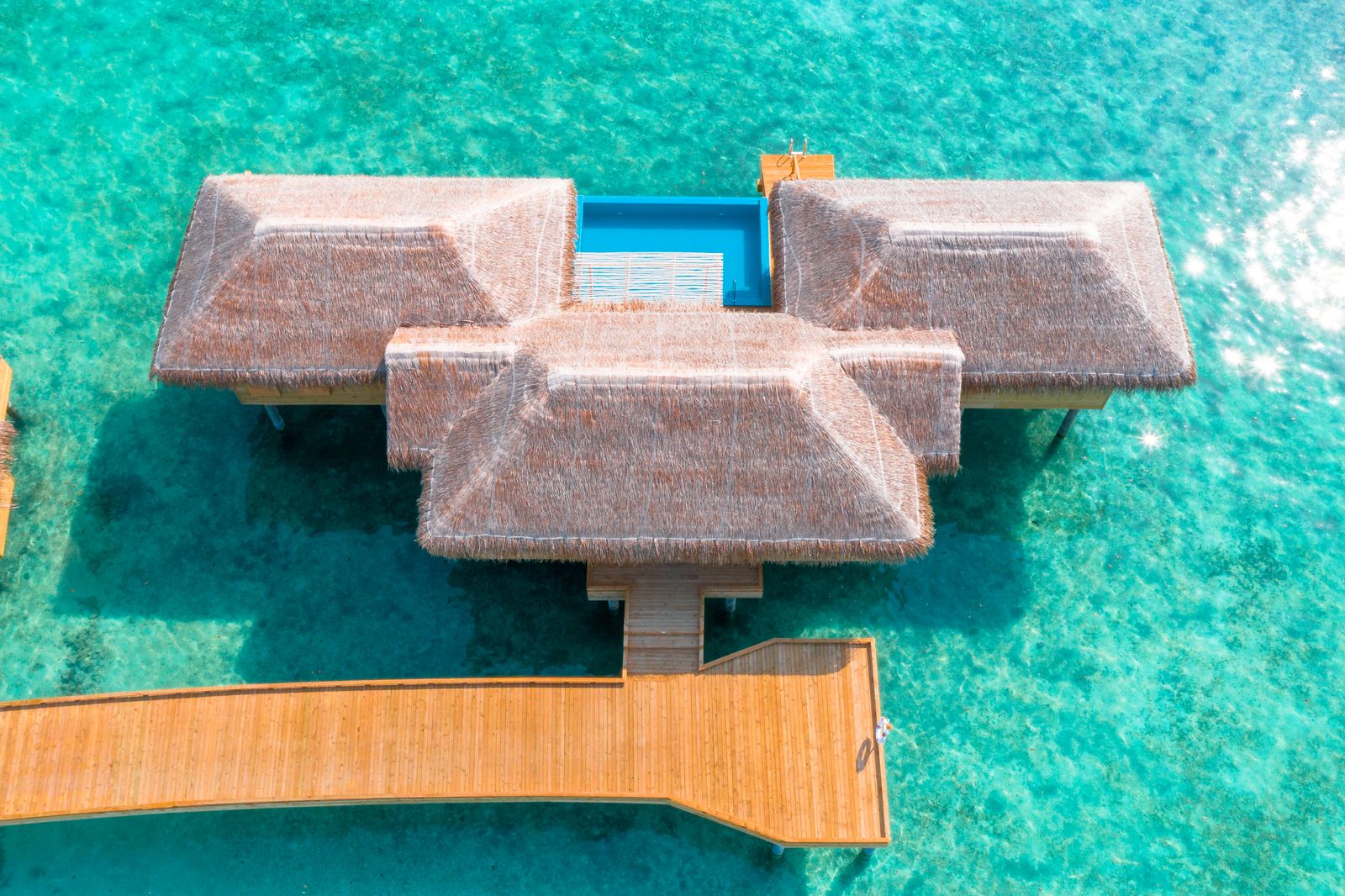
A 7-day Maldives trip works well split between a local-island guesthouse in Kaafu Atoll and a resort in South Ari Atoll, connected by speedboat and seaplane transfers. The health story here is not altitude or malaria, the Maldives has been malaria-free since 1984 and WHO certified that status in 2015. It is motion and food. Twin Otter seaplanes and open-water speedboats, the standard way to reach any atoll, are exactly the small-craft transit CDC flags as strong motion-sickness triggers, so a scopolamine patch applied hours before boarding, not after symptoms start, is a genuine day-by-day decision. The Maldives also sits in CDC's high-risk South Asia band for travelers' diarrhea, with azithromycin preferred over fluoroquinolones because of resistant Campylobacter in the region, and CDC reported nearly 3,000 dengue cases nationwide through the first half of 2026.
A week in the Maldives sounds like a rest cure, and for most of the trip it is. But get the itinerary right and the harder question is not which reef to snorkel first, it is how you are getting between islands and what you eat while you are there. Every leg of this trip runs by boat or small aircraft, and every night not spent at a resort buffet is a night with a wider range of food-safety standards. Neither is dangerous with basic planning. Both are worth planning around rather than discovering mid-trip.
Who this itinerary is for
This suits first-time Maldives travelers who want more than a single resort stay, splitting the week between a local island and a resort atoll to see both sides of the country without committing an entire luxury budget to seven nights. It also suits snorkelers and new divers chasing a specific target, in this case South Ari Atoll's resident whale shark population, over travelers who just want to lie on one beach.
It also suits budget-conscious travelers who assumed the Maldives meant a five-figure honeymoon. Local-island tourism on islands like Maafushi has made the country genuinely accessible on a mid-range budget, though it does mean trading some of the food-safety consistency a resort kitchen offers for lower cost and a more authentic first few days.
Physically, this is an easy trip. There is no altitude, no long hikes, no jet lag adjustment beyond a single long-haul flight for most Western travelers. The health planning here is about transit and food, not fitness, and both are manageable with a bit of timing.
The route
Everything starts and ends at Velana International Airport (MLE), built on its own island just across the water from the capital, Male. See the Maldives destination guide for the country-level health picture beyond this specific route. From there, the route runs south and outward: a short speedboat hop to Maafushi in Kaafu Atoll (also called South Male Atoll) for the first three nights, then a longer transfer into South Ari Atoll, roughly 60 to 90 minutes further south by speedboat, for a resort stay covering the back half of the trip, then the same route in reverse to fly out.
That local-island-then-resort structure is deliberate. Maafushi and islands like it opened to independent travelers only in 2009, when the government first allowed guesthouses on inhabited islands rather than restricting tourism to private resort islands, and they remain the only way to experience the Maldives without a resort's day rate. Staying there first means adjusting to local food and pace before the transfer south, rather than after, which matters more than it sounds like it should for managing travelers' diarrhea risk. It also means the trip's roughest water, the longer speedboat or seaplane leg to South Ari, comes once you already have a sense of how you handle small boats, rather than as your very first experience off the plane.
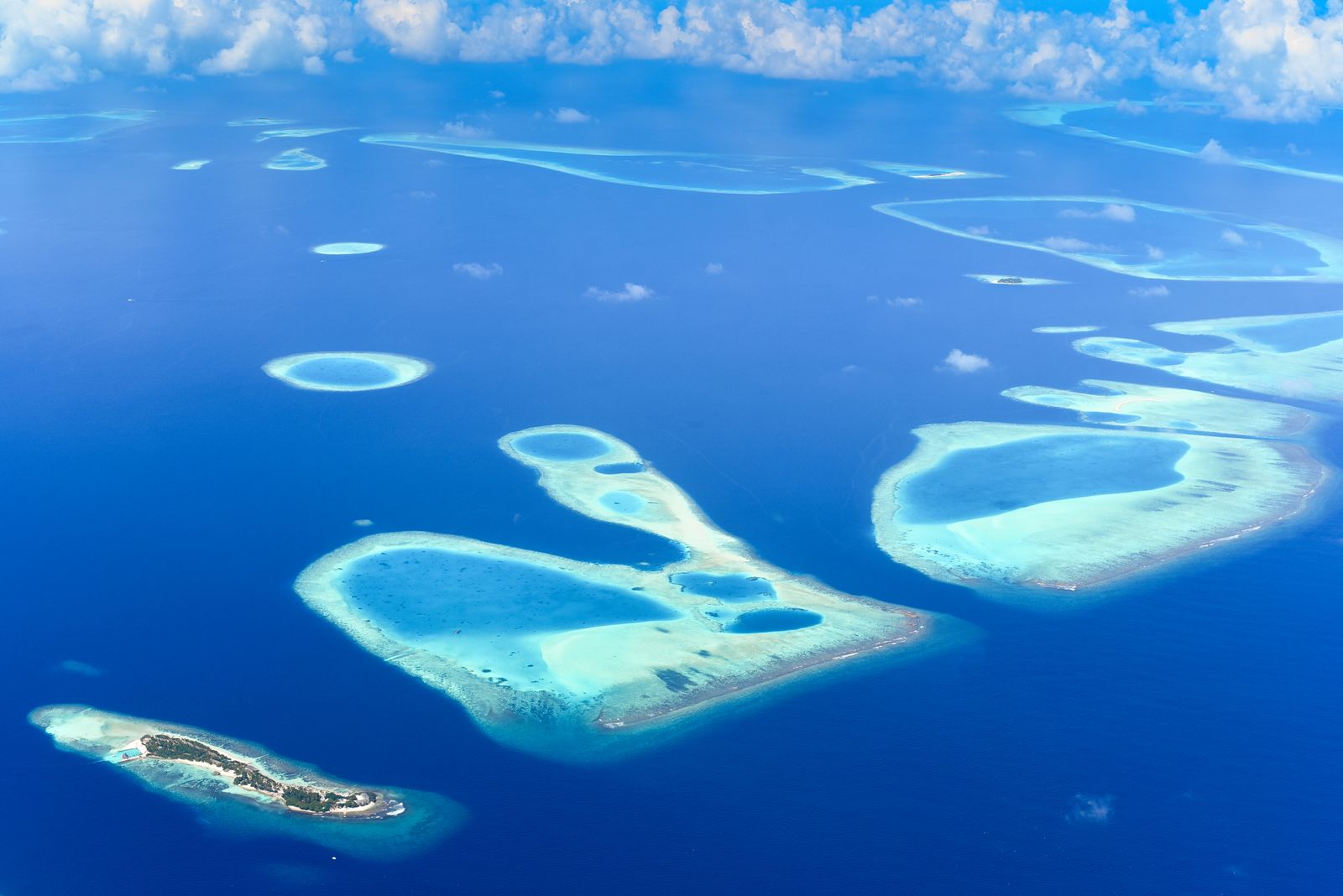
The Maldives is spread across roughly 1,200 coral islands grouped into 26 natural atolls, and no two atolls are reachable by road, every transfer between them happens by water or air. That geography is the single biggest planning fact for this itinerary: motion-sickness prevention is not an edge case here, it is baked into how the country physically works.
Day-by-day plan
Day 1: Arrive Velana International, transfer to Maafushi
Land at MLE and take a public ferry or speedboat transfer, roughly 20 to 30 minutes, to Maafushi in Kaafu Atoll. Public ferries run cheaper but on a fixed schedule that may not match your flight; most guesthouses will arrange a speedboat pickup timed to your arrival for a modest fee. There is no altitude adjustment and no malaria prophylaxis to think about here, the Maldives has had no local malaria transmission since 1984. Use the afternoon to check into a guesthouse, get oriented, and keep your travel-medicine kit accessible rather than buried in checked luggage, you will want it within reach for the rest of the week, not at the bottom of a suitcase.
Day 2: Maafushi orientation, house reef snorkel
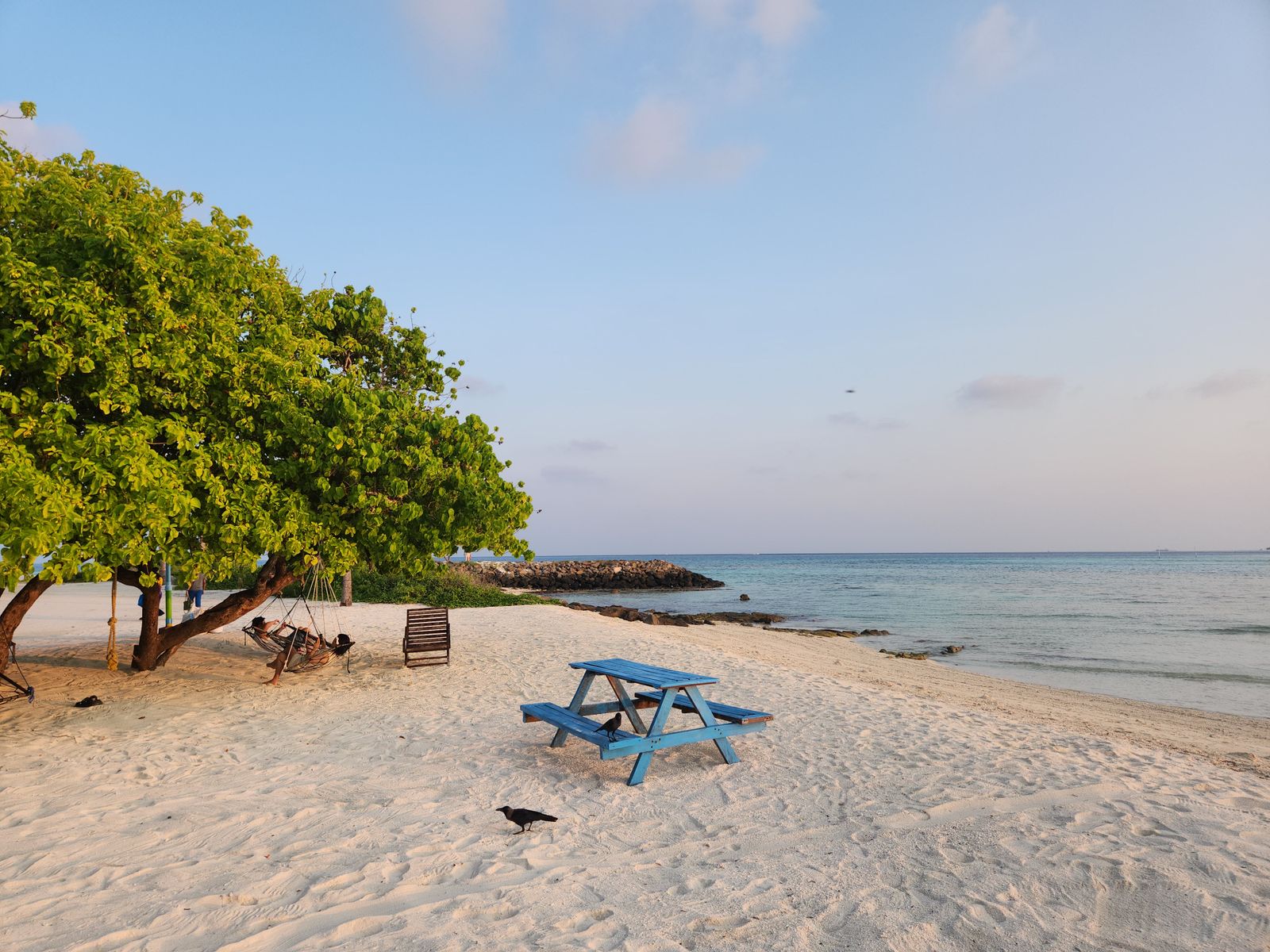
Snorkel the house reef off Bikini Beach, one of the designated tourist beaches on the island where swimwear norms differ from the rest of the (conservative, Muslim-majority) island, and walk the village, which is small enough to cover on foot in under an hour. This is also the day guesthouse and local-cafe food starts factoring into your trip. Kitchen hygiene on local islands varies more than it does at resorts, which is the main reason the Maldives sits in a meaningfully higher travelers'-diarrhea risk band than its clear water suggests. Sticking to hot, freshly cooked food and bottled or filtered water over ice or tap water is a reasonable default here.
Day 3: Sandbank picnic and reef snorkel excursion
Most Maafushi guesthouses run or can book a half-day speedboat trip to a nearby sandbank and reef, often with a picnic lunch either packed or served at a local spot. It is a shorter, calmer boat ride than the transfer coming up on Day 4, and a reasonable day to test how you handle motion on the water before deciding whether you need a prescription-strength plan for the longer leg ahead. If you know from past trips that you get seasick easily, this is also a fine day to test an over-the-counter option before deciding whether you want a scopolamine patch on hand for the longer transfer ahead.
Day 4: Transfer to a South Ari Atoll resort
This is the longest open-water transfer of the week, either a direct speedboat run of an hour or more, or a short domestic flight paired with a shorter speedboat leg, depending on which resort you book. It is also the day CDC's motion-sickness guidance is most relevant: small open-water vessels and light aircraft are exactly the kind of transit flagged as high-risk, and a Twin Otter seaplane sits low enough to feel every gust the way a commercial jet does not. If you are prone to seasickness, a scopolamine patch works best applied that morning, several hours before boarding, not once you already feel unwell, since it needs time to absorb through the skin before it takes effect. Check into your resort and settle in with an easy house-reef snorkel once you have your land legs back.
Want the health prep for Maldives?
Get a 60-second pre-trip check: the vaccines, prescriptions, and altitude/seasonality notes that change the plan — built for your exact dates.
Day 5: Whale shark snorkel, South Ari Marine Protected Area
South Ari holds the only documented resident juvenile whale shark population in the world, and boat operators report sightings on the large majority of trips in any given month, making it one of the few places worldwide where a sighting is closer to the norm than the exception. Excursions run from a dhoni, the traditional Maldivian wooden boat, out to Whale Shark Point along the atoll's southern edge, and touching the sharks is strictly prohibited under local marine protection rules. It is another small-boat day, so keep whatever motion-sickness plan worked on Day 4 in place, and keep it mentally separate from any GI symptoms, which call for a different medication entirely. Snorkeling with a whale shark is physically easy, no scuba certification required, but it does mean a moving boat and open water for a few hours.
Day 6: Manta point or dive day, resort time
Use this day for a manta ray excursion, a guided dive if you are certified, or simply resort time if four straight days of transfers and excursions have caught up with you. Manta cleaning stations and channel dives are common in the central atolls and typically run as a shorter boat trip than the whale shark excursion. If travelers' diarrhea has shown up by this point, this is the day to start treatment and skip the boat trip rather than push through it, both because dehydration compounds on the water and because symptoms tend to resolve faster with a day of rest built in.
Day 7: Return transfer to Male, departure
Reverse the Day 4 transfer, speedboat or seaplane back to MLE, and fly out. Build in buffer time for the transfer connecting to your international flight, weather and boat schedules in the atolls run looser than airline schedules do. Keep antiemetics and oral rehydration salts in your carry-on rather than checked luggage in case the trip home, by boat and then by air, is rough.
Health prep for this trip
Start with vaccines rather than the travel-medicine kit. CDC and WHO recommend hepatitis A and typhoid for most Maldives travelers, on top of routine vaccines being current, and both are worth booking at least six weeks out so they have time to take effect, particularly the typhoid series depending on which formulation your provider uses. See the full vaccine guidance for specifics on timing and which vaccines fit your personal itinerary.
The kit itself covers the two real risks on this itinerary rather than a generic list. For travelers' diarrhea, azithromycin is CDC's preferred first-line treatment for South and Southeast Asia specifically, because fluoroquinolone-resistant Campylobacter is common enough in the region that older go-to antibiotics are less reliable; Wandr's standard course is 500 mg once daily for three days. For motion sickness on the seaplane and speedboat legs, a scopolamine patch, applied hours ahead rather than after symptoms start, is the standard prevention, and one patch typically lasts about three days if you need it for back-to-back transfer days. Ondansetron belongs in the kit too, but as a backup for nausea and vomiting from an actual GI illness, not as a motion-sickness drug on its own, CDC's own guidance notes that 5-HT3 antiemetics like ondansetron are not effective for motion sickness specifically. The Maldives Atolls travel-medicine kit bundles all three with dosing guidance from a licensed clinician. Malaria prophylaxis is not part of this kit, the country has been malaria-free since 1984 and WHO certified that status in 2015.
Talk with your provider before the trip rather than improvising once symptoms start. A short telehealth visit is enough to get prescriptions for all three medications sorted ahead of departure, which matters more here than in most destinations given how limited pharmacy access is once you are out on an atoll.
What to pack
Pack for a trip where the nearest pharmacy may be a boat ride away rather than a short walk, and where sun and salt water are constant rather than occasional.
- Reef-safe sunscreen (many resorts and marine protected areas restrict oxybenzone and octinoxate, and some will confiscate non-compliant sunscreen at check-in)
- A rash guard or light long-sleeve for extended snorkeling, both for sun protection and to reduce the amount of sunscreen you need in the water
- A dry bag for the boat transfers, phones and passports do not mix well with open speedboats
- Motion-sickness patch or tablets, applied before you need them rather than packed as an afterthought
- Oral rehydration salts and your travelers'-diarrhea antibiotic, packed in your carry-on rather than checked luggage
- A basic mask, snorkel, and fins if you plan to snorkel daily, resort rentals vary in quality and fit
- A dive certification card and logbook if you plan to dive, most operators will not let you rent gear without one
Best time to go and what to avoid
Seasonality matters differently here than in most beach destinations. There is no cold season and no altitude weather to plan around, but because nearly the entire itinerary happens on small boats or light aircraft, sea state drives the trip more than temperature does.
Most travelers should default to the dry season if transfer comfort and predictable weather are priorities, and treat the wet season as a genuine trade-off, rougher water against better whale shark odds and lower prices, rather than a season to avoid outright. Either way, dengue prevention (repellent, covering exposed skin around dawn and dusk when mosquitoes are most active) belongs in the plan regardless of month.
Cost expectations
Cost swings more here than almost anywhere else on a per-night basis, which is exactly why this itinerary splits the week rather than committing the full budget to one property. A Maafushi guesthouse runs roughly $80 to $150 a night including breakfast, and day excursions like the Day 3 sandbank trip typically run $30 to $60 per person. A South Ari resort can run anywhere from a few hundred dollars to several thousand a night depending on the property, and the whale shark and manta excursions on Days 5 and 6 usually run separately, often $75 to $150 per person through the resort's dive center. Add the seaplane or speedboat transfer itself, frequently $150 to $500 round trip per person depending on distance and operator, and it becomes clear why treating transfers and excursions as their own line items, not incidentals folded into a nightly rate, keeps the back half of the week from becoming the expensive surprise.
Day-by-day plan
| Day | What you're doing | Health note |
|---|---|---|
| 1 | Arrive Velana International, transfer to Maafushi Land at Velana International Airport (MLE) and take a public or speedboat ferry roughly 20-30 minutes to Maafushi, a local island in Kaafu (South Male) Atoll. | No altitude or malaria prophylaxis to plan around. Start hydrating and pack your travel-medicine kit within reach for the transfer. |
| 2 | Maafushi orientation, house reef snorkel Settle into island pace. Snorkel the house reef off Bikini Beach, walk the village, and let your stomach adjust to guesthouse and cafe food. | This is where most travelers' diarrhea exposure starts. Guesthouse and local-cafe kitchens vary in hygiene standards more than resort buffets do. |
| 3 | Sandbank picnic and reef snorkel excursion Join a guided speedboat day trip to a nearby sandbank and reef for snorkeling, with lunch either packed or at a local eatery. | A short open-water speedboat ride. If you get queasy on boats, this is a good day to test timing on an over-the-counter option before committing to a prescription plan for the longer transfer ahead. |
| 4 | Transfer to a South Ari Atoll resort Take a longer speedboat transfer, or a short domestic flight plus speedboat, south into Ari Atoll and check into a resort with its own house reef. | The longest open-water leg of the trip. Apply a scopolamine patch that morning if you are prone to motion sickness, timed before boarding, not once you feel unwell. |
| 5 | Whale shark snorkel, South Ari Marine Protected Area Join a dhoni boat excursion to Whale Shark Point off South Ari, home to a resident juvenile population seen on most trips year-round. | Another small-boat day. Reapply or check your motion-sickness plan before departure, and keep it separate from any GI symptoms, which call for a different medication entirely. |
| 6 | Manta point or dive day, resort time Choose a manta ray excursion or a guided dive if certified, or use the day as a buffer to rest, snorkel the house reef, and recover from four straight transfer-heavy days. | If travelers' diarrhea has shown up by now, this is the day to start treatment rather than push through a dive or boat trip. |
| 7 | Return transfer to Male, departure Speedboat or seaplane back to Velana International Airport for your flight home. | Keep antiemetics and rehydration salts in your carry-on, not checked luggage, in case the return transfer or flight home is rough. |
Frequently Asked Questions
No. The Maldives has had no local malaria transmission since 1984, and WHO formally certified the country malaria-free in 2015. Most itineraries skip antimalarial prophylaxis entirely.
Yes, and it runs year-round rather than seasonally. CDC reported nearly 3,000 dengue cases in the Maldives in the first half of 2026 alone. There is no vaccine most travelers should rely on, so mosquito-bite prevention (repellent, covering up at dawn and dusk) is the main defense.
CDC and WHO recommend hepatitis A and typhoid for most travelers, on top of being current on routine vaccines. Talk with a travel health provider about your specific itinerary, especially if you plan to stay on local islands rather than resorts only.
Discuss it with a provider if you have any history of motion sickness. Twin Otter seaplanes and small open-water speedboats are the kind of transit CDC specifically flags as high-risk for motion sickness, and a scopolamine patch works best applied several hours before boarding, not after symptoms start.
The ocean is not the exposure route, food and water handling on land is. The Maldives sits in CDC's high-risk South Asia band for travelers' diarrhea, and local-island guesthouse kitchens and lower-tier resort buffets are the more common sources than five-star resort dining.
It is less common, but conditional, not guaranteed. Most resorts hold to strict food-safety standards, though no destination in this risk band is zero-risk. Carrying azithromycin and knowing when to use it is still worth doing regardless of where you are staying.
No, and this is a common mix-up. CDC's guidance notes that ondansetron and other 5-HT3 antiemetics do not work well for motion sickness itself, they are meant to control nausea and vomiting from an illness like travelers' diarrhea. Scopolamine is the motion-sickness option; ondansetron is the backup for GI-related nausea.
December through April is the dry, northeast monsoon season with generally calmer seas, which matters more here than in most beach destinations because so much of the trip happens on small boats. May through November brings the wet southwest monsoon with rougher water and a slightly longer whale shark season.
Alec Freling, MD is a board-certified emergency medicine physician and co-founder of Wandr Health with ER experience treating returning travelers.