
The 7-Day Inca Trail Itinerary: The Health-Smart Version
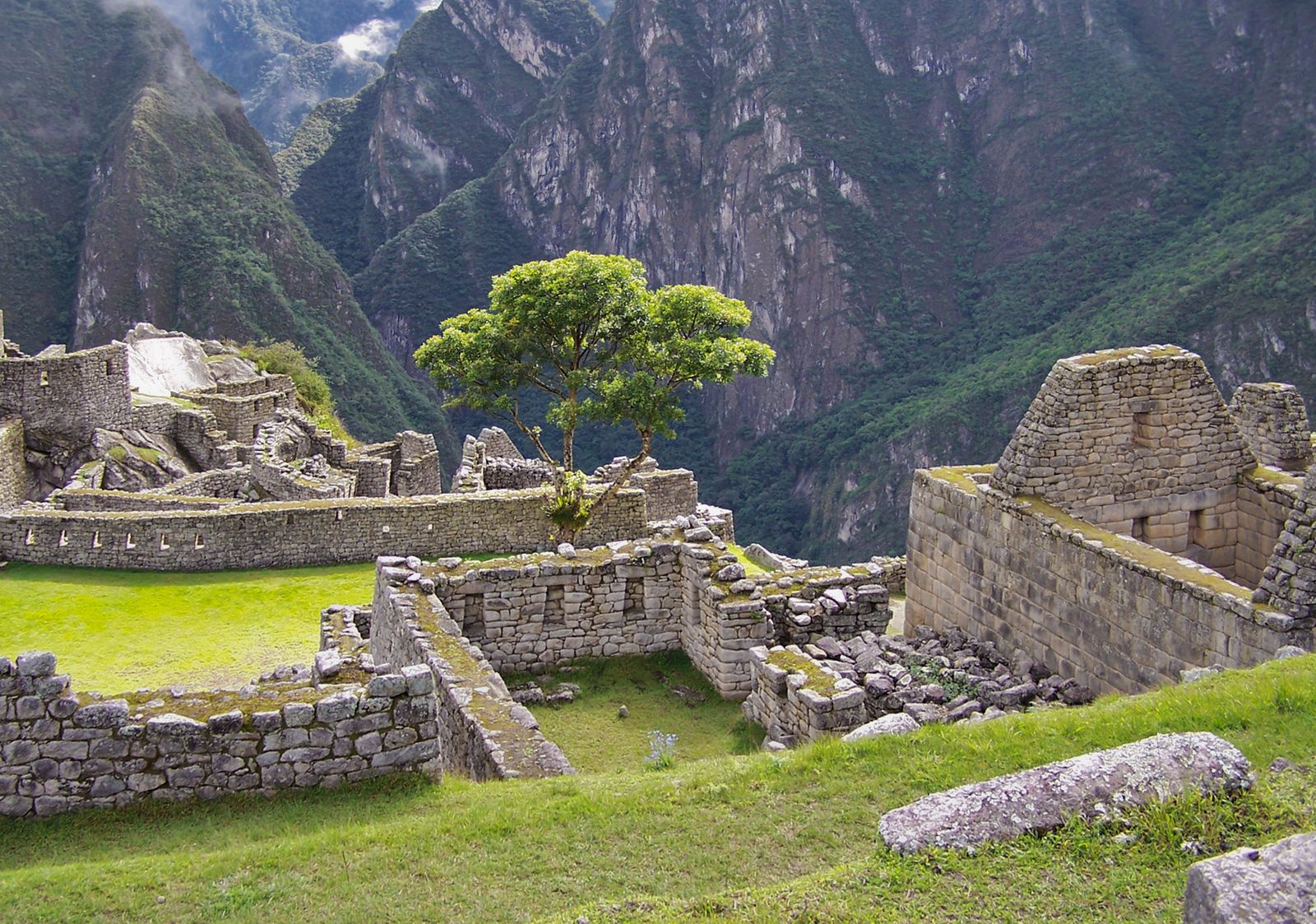
The classic Inca Trail is a 4-day, 43-km (26-mile) trek that tops out at Dead Woman's Pass, 4,215 m (13,829 ft). The health-smart version wraps it in three days first: two nights acclimatizing in Cusco, then one night lower in the Sacred Valley before you start walking. That structure matters because the CDC Yellow Book puts a day-one sleeping altitude above 3,400 m (11,150 ft) in its highest risk category for acute mountain sickness, and almost every trekker flies into Cusco from sea-level Lima in about an hour. As an ER physician, the altitude problems I see are usually pacing problems rather than fitness problems. Most trekkers should discuss acetazolamide with a provider, who may advise starting it the day before flying up.
I have treated enough returning trekkers to know how the Inca Trail goes wrong, and it is almost never on the trail itself. It goes wrong on day one, in a hotel room in Cusco, roughly four hours after a one-hour flight from Lima. That is where the headache starts, the appetite disappears, and the trip quietly becomes a suffering contest. The trek is only four days long. The itinerary that gets you through it comfortably is seven, and the extra three days are all spent on your body catching up to the elevation before you ask anything of it.
Who this itinerary is for
This is for the first-time Inca Trail trekker who has a permit, a reasonable level of fitness, and no interest in spending the best morning of the trip vomiting behind a tent. It assumes you are flying in from near sea level, that you have never been above 3,000 m for more than a day, and that you would rather build in acclimatization than gamble on being one of the people who happens to feel fine.
It also works for returning Andes travelers who want a tighter, more deliberate structure than the standard operator package. If you have trekked at altitude before without problems, you may compress the Cusco portion, though the CDC's own risk framework still puts a first sleeping altitude above 3,400 m in the high-risk band regardless of how tough you felt in Colorado. If you have a history of high-altitude pulmonary or cerebral edema, this itinerary is not aggressive enough on its own and you should be planning it with a physician.
The route
The classic Inca Trail runs about 43 km (26 miles) from the Km 82 checkpoint near Piscacucho to Machu Picchu, and it is walked in four days. Distances and camp elevations below follow the standard operator profile for the classic four-day permit, so confirm your exact stages with your operator, since camps are assigned. What this itinerary adds is the three days in front of it, and the shape of those three days is the entire health argument.
You land in Cusco, which CDC lists at roughly 3,400 m (11,152 ft), coming from Lima at 161 m (528 ft). You stay two nights, doing very little. Then, counterintuitively, you go down. Ollantaytambo in the Sacred Valley sits about 2,790 m (9,160 ft), roughly 600 m below Cusco, and sleeping there the night before the trek gives you one more low night in the bank. Operators like starting there anyway because it is close to the trailhead. The health benefit is a bonus most itineraries do not bother to explain.
From Km 82 at about 2,600 m the trail climbs steadily up the Urubamba valley, over Dead Woman's Pass at 4,215 m (13,829 ft) on trail day two, over Runkurakay pass at about 3,950 m on trail day three, and then descends hard through cloud forest to Winay Wayna at about 2,650 m. The final morning is a short walk to the Sun Gate and down into Machu Picchu at about 2,430 m (7,970 ft). Read the shape of that profile and one thing stands out: you spend three nights sleeping between roughly 2,650 m and 3,600 m, and you cross the highest ground in the middle of the day. That is the classic climb-high, sleep-low pattern, and it is why the trail is survivable for ordinary people.
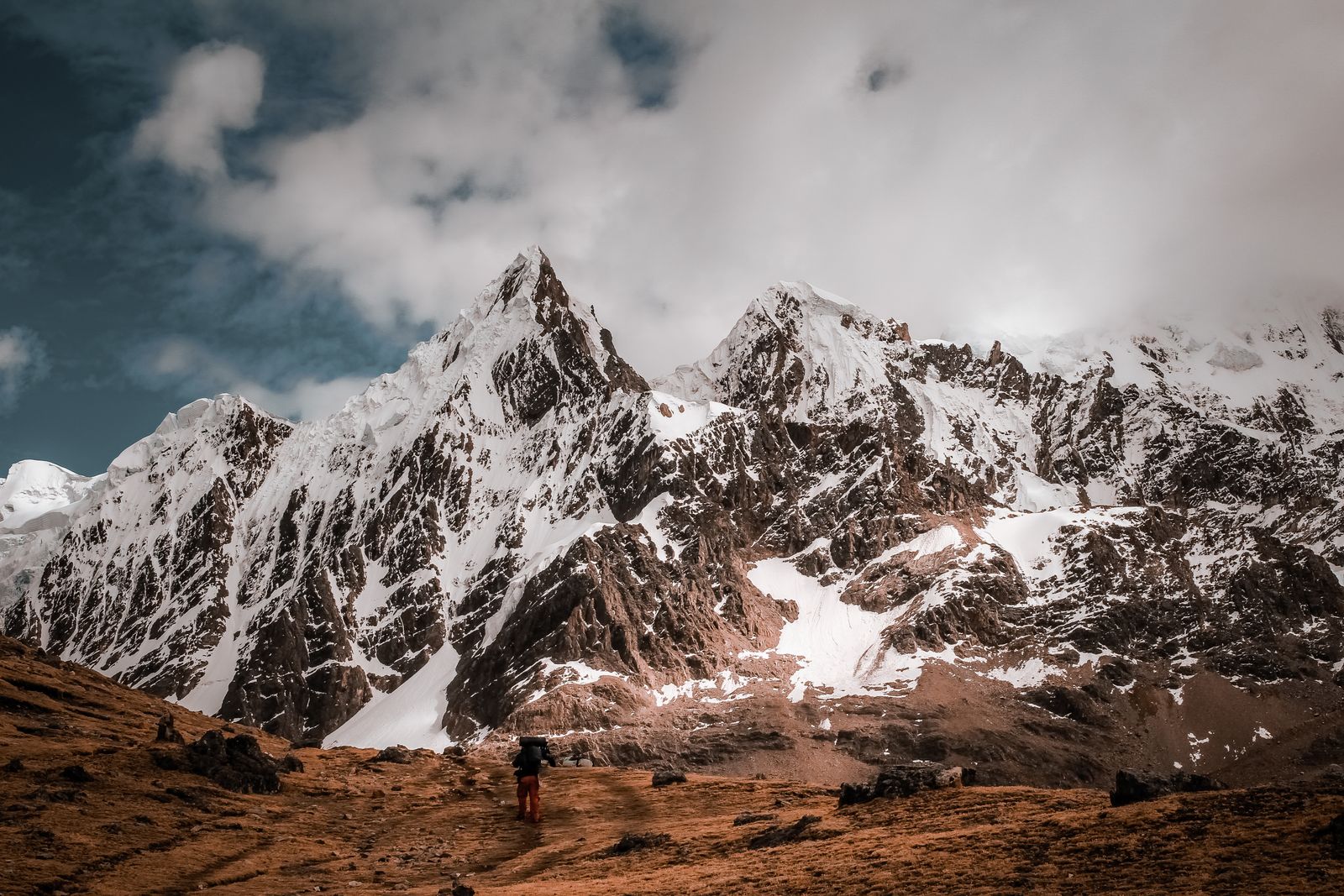
Day-by-day plan
Day 1: Fly Lima to Cusco, then do almost nothing
The flight is about an hour. Your body does not get an hour to adjust. Check in, drink water steadily, eat something small, and stay off your feet for the afternoon. Skip alcohol entirely tonight. If your provider prescribed acetazolamide, you ideally started it yesterday, before the flight, because it works by speeding acclimatization rather than masking symptoms. Coca tea is a local ritual and is fine, but it is not a substitute for a plan.
Day 2: Cusco acclimatization day
Walk, slowly. San Blas, the Qorikancha, the market. If you feel good by afternoon, the climb up to Sacsayhuaman is a reasonable test piece. If you feel bad, that information is more useful than the sightseeing. A headache that responds to fluids and rest is common and expected. A headache that comes with vomiting, poor balance, or breathlessness while sitting still is a different problem and needs a conversation with your guide or a clinician, not another day of pushing.
Day 3: Down to the Sacred Valley
Transfer through Pisac to Ollantaytambo, with a trek briefing and duffel weigh-in in the evening. You are now about 600 m lower than you slept last night, which is the point. Eat a real dinner, hydrate, and go to bed early. Tomorrow starts before dawn. This is also the last night with reliable plumbing, so it is worth being deliberate about food choices. CDC rates Peru moderate to high risk for travelers' diarrhea, and ceviche the night before a trek is a specific kind of optimism.
Day 4: Trail day 1, Km 82 to Wayllabamba
About 11 km, mostly gentle, gaining roughly 400 m to camp near Wayllabamba at about 3,000 m. Operators build this day easy on purpose. Use it. Drink past thirst, keep a steady slow pace rather than surging between rests, and from this point treat or filter every drop of water you drink. CDC notes giardiasis shows up more often in hikers than in general travelers, and that is not a coincidence of geography.
Want the health prep for Peru?
Get a 60-second pre-trip check: the vaccines, prescriptions, and altitude/seasonality notes that change the plan — built for your exact dates.
Day 5: Trail day 2, Dead Woman's Pass
The hardest day of the trek and the one people book the trip for. Roughly 12 km, climbing about 1,200 m to Warmiwanusca at 4,215 m (13,829 ft), then a long stone descent to camp near Pacaymayo at about 3,600 m. Go slower than feels necessary on the climb. The pass is not a race and there is no prize for arriving first with a splitting head.
The physiology worth knowing: you will spend perhaps thirty minutes at the high point and then sleep 600 m lower, which is exactly the pattern that makes this route tolerable. Most people who struggle here did not fail on fitness. They arrived in Cusco three days ago and started walking two days ago.
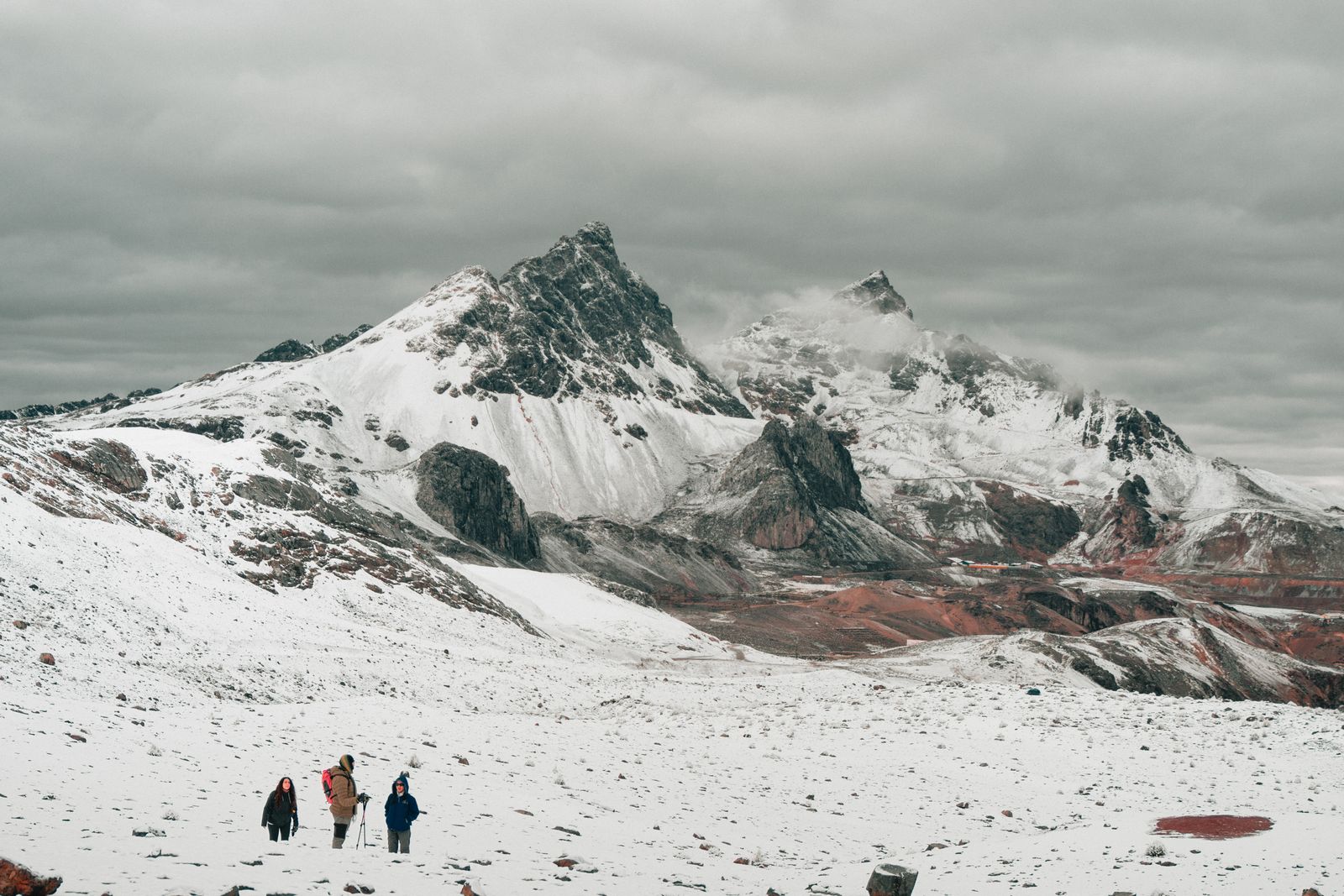
Day 6: Trail day 3, two passes and the long descent
The longest day, around 15 km. Over Runkurakay pass at about 3,950 m, past Sayacmarca, over Phuyupatamarca, then a sustained descent through cloud forest to Winay Wayna at about 2,650 m. Altitude stops being the story partway through the morning and stays that way. What replaces it is thousands of Inca stone steps going down, which is a quadriceps and knee problem rather than a lung problem. Most trekkers rate trekking poles the highest-value item in the pack on this day. Rx-strength ibuprofen, if your provider has prescribed it, runs a close second.
Day 7: Trail day 4, Sun Gate to Machu Picchu
An early start, often before 4 am, to reach Inti Punku for the first view down onto the citadel. It is a short walk, roughly 5 km, and almost entirely downhill to Machu Picchu at about 2,430 m. Tour the site, then the bus down to Aguas Calientes and the afternoon train. One thing people forget: if you sleep in Cusco tonight, you are ascending nearly 1,000 m again after four days of exertion. Plan a quiet evening rather than the celebration dinner you have been fantasizing about since day 5.
Health prep for this trip
Start with the permit, because everything else is scheduled around it. Peru's Ministry of Culture caps access to the classic route at 500 people per day including guides, cooks, and porters, which leaves roughly 200 trekker permits daily, and they must be purchased through a licensed operator. Dry-season dates commonly sell out five to six months ahead, so treat the permit date as fixed and build around it.
Six weeks out, sit down with a provider about vaccines. CDC recommends hepatitis A vaccine for all travelers to Peru because risk is present countrywide, and says most travelers should receive a typhoid vaccine, particularly those visiting rural areas. Routine vaccines should be current, and CDC currently has an active health alert for a pertussis outbreak in Peru, so ask about your pertussis status specifically.
Three weeks out, handle prescriptions. The Inca Trail travel medicine bundle covers the three that matter on this route: acetazolamide for altitude prophylaxis, Rx-strength ibuprofen for the stone-stair descents and altitude headache, and hydroxyzine for sleep at the high camps, where periodic breathing wrecks the first two nights for a lot of people. CDC's high-risk guidance strongly encourages acetazolamide prophylaxis for a day-one sleeping altitude above 3,400 m, and a common prophylactic dose is 125 mg twice daily starting the day before ascent, though your provider makes that call.
For gut health, most travelers on a moderate- to high-risk route like this carry a provider-prescribed self-treatment plan. Wandr's standard approach for traveler's diarrhea is azithromycin 500 mg once daily for three days, with dicyclomine available separately for cramping. Discuss whether that fits your history before you go, because there is no pharmacy between Km 82 and the Sun Gate. For broader country context, see the Peru destination guide.
What to pack
- Water treatment: filter, purification tablets, or both. Camp water is not automatically safe.
- Trekking poles with rubber tips. Most trekkers find these matter more than anything else on the day 6 descent.
- Sun protection: high-SPF sunscreen, lip balm with SPF, brimmed hat, sunglasses. CDC notes solar radiation in the Peruvian highlands is high and short exposures cause sunburn.
- Layers for a 25 C day and a near-freezing night at camp.
- All prescriptions in original labeled containers, carried on your person, not in the porter duffel.
- Oral rehydration salts, blister care, and a small quantity of high-calorie snacks you actually like.
- Cash in small soles notes for tipping the crew and for the bathrooms at trailheads.
Best time to go and what to avoid
The Inca Trail runs on a dry-season calendar with one hard closure. February is shut entirely by Peru's Ministry of Culture for maintenance and landslide repair, which matters because people book flights before they check.
Two things to plan around beyond weather. Peru's influenza season follows the Southern Hemisphere pattern with a peak during April through September, per CDC, which overlaps the entire dry-season trekking window, so an up-to-date flu vaccine is worth the appointment. And the dry-season nights at Pacaymayo are genuinely cold, often near or below freezing, which is a sleep problem before it is a temperature problem.
Cost expectations
A licensed 4-day Inca Trail operator package typically runs several hundred to well over a thousand US dollars per person depending on group size, crew ratios, and equipment quality, with the permit included in the price. Add domestic flights, three nights of hotels in Cusco and the Sacred Valley, the return train, and crew tips. The medical prep is a small line item by comparison, which is worth remembering when you are deciding whether the acclimatization nights are worth the hotel cost. They are the cheapest part of the trip that changes the outcome.
Day-by-day plan
| Day | What you're doing | Health note |
|---|---|---|
| 1 | Fly Lima to Cusco, then do almost nothing A one-hour flight from Lima at 161 m (528 ft) lands you in Cusco at roughly 3,400 m (11,152 ft). Check in, walk slowly, eat light. | Usually the highest-risk moment of the trip. If a provider prescribed acetazolamide, it is typically started the day before this flight. No hiking, no alcohol, no big meals. |
| 2 | Cusco acclimatization day A gentle city day: San Blas, the Qorikancha, and a slow walk up to Sacsayhuaman if you feel good. | Use symptoms as your gauge. Headache, nausea, or poor sleep means you push the next day easier, not harder. |
| 3 | Down to the Sacred Valley, sleep lower Transfer to Ollantaytambo at about 2,790 m (9,160 ft) by way of Pisac. Trek briefing, duffel drop, early night. | Sleeping roughly 600 m lower than Cusco is a deliberate acclimatization move, not a scenic detour. You climb better after a low night. |
| 4 | Trail day 1: Km 82 to Wayllabamba Start at the Km 82 checkpoint near Piscacucho, about 2,600 m (8,530 ft), and walk roughly 11 km up the Urubamba valley to camp near Wayllabamba at about 3,000 m (9,840 ft). | An easy day by design. Drink more than you want to, and start treating or filtering all water from here on. |
| 5 | Trail day 2: Dead Woman's Pass The hardest day. About 12 km over Warmiwanusca, Dead Woman's Pass, at 4,215 m (13,829 ft), then a long stone descent to camp near Pacaymayo at about 3,600 m (11,810 ft). | Classic climb-high, sleep-low. Turn back or descend if headache comes with vomiting, confusion, or breathlessness at rest. |
| 6 | Trail day 3: two passes and the long descent The longest day, roughly 15 km over Runkurakay pass at about 3,950 m (12,960 ft) and Phuyupatamarca, then a knee-punishing drop to Winay Wayna at about 2,650 m (8,690 ft). | Altitude risk falls all day. Joint and quad pain replaces it. Rx-strength ibuprofen and trekking poles do more here than anything else in the pack. |
| 7 | Trail day 4: Sun Gate to Machu Picchu, train back A pre-dawn start to Inti Punku, the Sun Gate, then down into Machu Picchu at about 2,430 m (7,970 ft). Afternoon train and transfer back toward Cusco. | Machu Picchu sits nearly 1,000 m lower than Cusco. If you return to Cusco tonight you are going back up, so take that evening easy too. |
Frequently Asked Questions
Most trekkers should at least discuss it. The CDC Yellow Book places a day-one sleeping altitude above 3,400 m (11,150 ft) in its high-risk category for acute mountain sickness and strongly encourages acetazolamide prophylaxis for that group. Cusco sits right at that line, and nearly everyone arrives there by air from Lima. A common prophylactic dose is 125 mg twice daily started the day before ascent, but dosing and suitability are decisions for a licensed provider who knows your history.
Warmiwanusca, known in English as Dead Woman's Pass, is 4,215 m (13,829 ft) and is the high point of the classic route. On a standard 4-day trek you cross it on the second trail day, climbing from a camp near Wayllabamba at about 3,000 m (9,840 ft). In a 7-day structure like this one, that is day 5 overall, which puts four nights of acclimatization behind you before the biggest climb.
You can, and in my experience it is the most common way people end up unwell on this route. Flying from Lima to Cusco moves you from 161 m to roughly 3,400 m in about an hour, per CDC Yellow Book figures. The Yellow Book's risk table also flags rapid ascent above 3,000 m without extra acclimatization days as high risk. Two nights in Cusco plus a lower night in the Sacred Valley is the cheapest insurance available on this trip.
Yes. CDC classifies Peru as a moderate- to high-risk country for travelers' diarrhea, with norovirus, various E. coli strains, Campylobacter, and Shigella all commonly implicated. The Yellow Book also notes giardiasis is more frequent among hikers. On the trail you are eating from a shared camp kitchen and sleeping in tight quarters, and there is no exit once you start, so many travelers carry a provider-prescribed self-treatment plan.
Descent is generally considered the definitive treatment for altitude illness, and on the Inca Trail descent generally means turning around or continuing forward to the next lower camp, depending on where you are. Speak to your guide immediately. Warning signs that warrant coming down rather than pushing on include vomiting with headache, confusion, unsteadiness on your feet, or breathlessness at rest. Do not treat these as things to sleep off at 3,600 m.
CDC states there is no dengue risk at high-altitude destinations including Cusco city, the Sacred Valley, and Machu Picchu, and that malaria risk is insignificant at those same destinations. Yellow fever vaccine is generally not indicated for a trip limited to Cusco, the Inca Trail, and Machu Picchu. That calculus changes if you add an Amazon extension such as Puerto Maldonado or Manu, so tell your provider your full route.
May through September is the dry season and the most reliable window, with May and September usually offering the best balance of weather and crowds. Peru's Ministry of Culture closes the trail for all of February for maintenance and landslide repair, and the surrounding November-to-March wet season means muddy stone and reduced visibility. Peru's influenza season also runs roughly April through September on the Southern Hemisphere pattern, per CDC.
Peru's Ministry of Culture caps access to the classic route at 500 people per day, and that figure includes support staff, leaving roughly 200 trekker permits daily. Permits must be bought through a licensed operator, not directly, and popular dry-season dates routinely disappear five to six months out. Book the permit first and build the rest of the itinerary around the date you get.
Fit enough to walk 6 to 9 hours on consecutive days on uneven stone, with the hardest day gaining roughly 1,200 m before losing 600 m. Fitness helps you enjoy the trek, but CDC's risk framework for acute mountain sickness is built around ascent profile and sleeping altitude rather than conditioning. Well-conditioned travelers can still develop acute mountain sickness when they ascend too quickly, which is why most first-timers should treat the acclimatization days at the front of this itinerary as part of the trek rather than as optional padding.
Alec Freling, MD is a board-certified emergency medicine physician and co-founder of Wandr Health with ER experience treating returning travelers.