
The 10-Day Peru Itinerary: The Health-Smart Version

A healthy 10-day Peru trip runs Lima (sea level) to Cusco and the Sacred Valley, then Machu Picchu, and back. The single factor that should reshape your plan is altitude: Cusco sits at 11,150 ft (3,400 m), and most people who ascend that fast feel it. Spend your first two nights acclimatizing in the lower Sacred Valley (about 9,400 ft) rather than Cusco itself, and consider starting acetazolamide one to two days before you fly up. The CDC recommends acetazolamide for travelers ascending rapidly above 2,500 m, which every leg of this route exceeds. Build in slow days, hydrate hard, and you turn the trip's biggest health risk into a non-event.
Most Peru itineraries you will find online are built by people who never had to treat the person who ignored the altitude. I am an ER physician, and the single most common way a dream trip to Machu Picchu goes sideways is a fast ascent to Cusco on day one, a pounding headache by dinner, and a wasted day in a hotel room. The good news is that this is almost entirely preventable. The fix is not a pill you take after you feel bad. It is the order you visit places in. This 10-day route is paced low-to-high on purpose, so the most spectacular parts of Peru land when your body is ready for them.
Who this itinerary is for
This is a first-timer's Peru: Lima, Cusco, the Sacred Valley, and Machu Picchu, the four anchors most people come for. It assumes moderate fitness and a willingness to take the first few days slowly. You do not need to be an athlete. You do need to respect the altitude, because the highlands sit between roughly 7,000 and 11,000 ft and your body cannot be talked out of how it responds to thin air.
If you have done high-altitude travel before and know you tolerate it well, you can compress the valley days. If you have heart or lung disease, are pregnant, or are traveling with young children or older parents, this slower pacing is not optional, it is the safety margin. Either way, the route below is designed so that the altitude is something you plan around rather than something that happens to you.
It also helps to know what altitude illness actually feels like, because most people mistake it for a hangover or jet lag and push through when they should rest. The early signs usually show up within the first 12 to 24 hours at elevation: a dull headache, trouble sleeping, a flat appetite, and feeling winded on stairs that should not wind you. That is mild acute mountain sickness, and it is common, not dangerous, as long as you stop ascending and let it settle. The warning signs that mean stop and get help are different: confusion, a wet cough or breathlessness at rest, or a stumbling, drunk-looking walk. Those are rare on this route precisely because it is paced gently, but knowing the line between normal and not is part of traveling smart at altitude.
The route
The logic of this itinerary is elevation, not just geography. You land in Lima at sea level and spend a night there, both because most international flights arrive late and because it gives you one easy day before anything strenuous. From Lima you fly to Cusco, but you do not stay in Cusco. You transfer straight down into the Sacred Valley, which sits about 1,700 ft lower, and you sleep there.
That choice is the backbone of the whole trip. You spend your first three nights in the valley and Ollantaytambo, exploring gentle ruins and markets while your body adjusts. Then you drop even lower to Aguas Calientes and visit Machu Picchu, which is lower than Cusco and therefore rarely a problem. Only after five nights of acclimatization do you return to high Cusco, where you spend your final days exploring the city that would have flattened you on day one.
The shape is a deliberate U: down into the valley, lower still for Machu Picchu, then up to Cusco at the end when you are ready for it. Every competitor itinerary that drops you in Cusco on arrival is optimizing for convenience. This one optimizes for actually enjoying the days you paid for.
Day-by-day plan
Day 1, Lima at sea level
Arrive, settle into Miraflores, and take it easy. Walk the clifftop Malecon, eat some of the best food in South America, and start drinking water like it is your job. Lima at sea level is the calm before the altitude, use it.
Day 2, fly to Cusco and go straight down
Catch a morning flight to Cusco, then transfer 1.5 hours down to Urubamba in the Sacred Valley at about 9,400 ft. Resist the urge to sightsee in Cusco on the way through. Coca tea, a flat stroll, and an early night. Sleeping lower than Cusco tonight is the best acclimatization decision you will make.
Day 3, the Sacred Valley
A gentle day among the terraces and the artisan market at Pisac. Nothing strenuous. This is where you watch for the early signs of altitude illness, headache, poor sleep, low appetite, and respond with rest and fluids rather than pushing on.
Day 4, Ollantaytambo
Explore the fortress and the living Inca town, then sleep here at about 9,160 ft to catch the early train. A third night below Cusco stacks the acclimatization in your favor.
Day 5, down to Aguas Calientes
A beautiful train ride along the Urubamba River drops you to Aguas Calientes at about 6,700 ft. It is lower, warmer, and greener here. It is also lower jungle, so this is where you tighten up your food and water habits to keep traveler's diarrhea off the itinerary.
Want the health prep for Peru?
Get a 60-second pre-trip check: the vaccines, prescriptions, and altitude/seasonality notes that change the plan — built for your exact dates.
Day 6, Machu Picchu
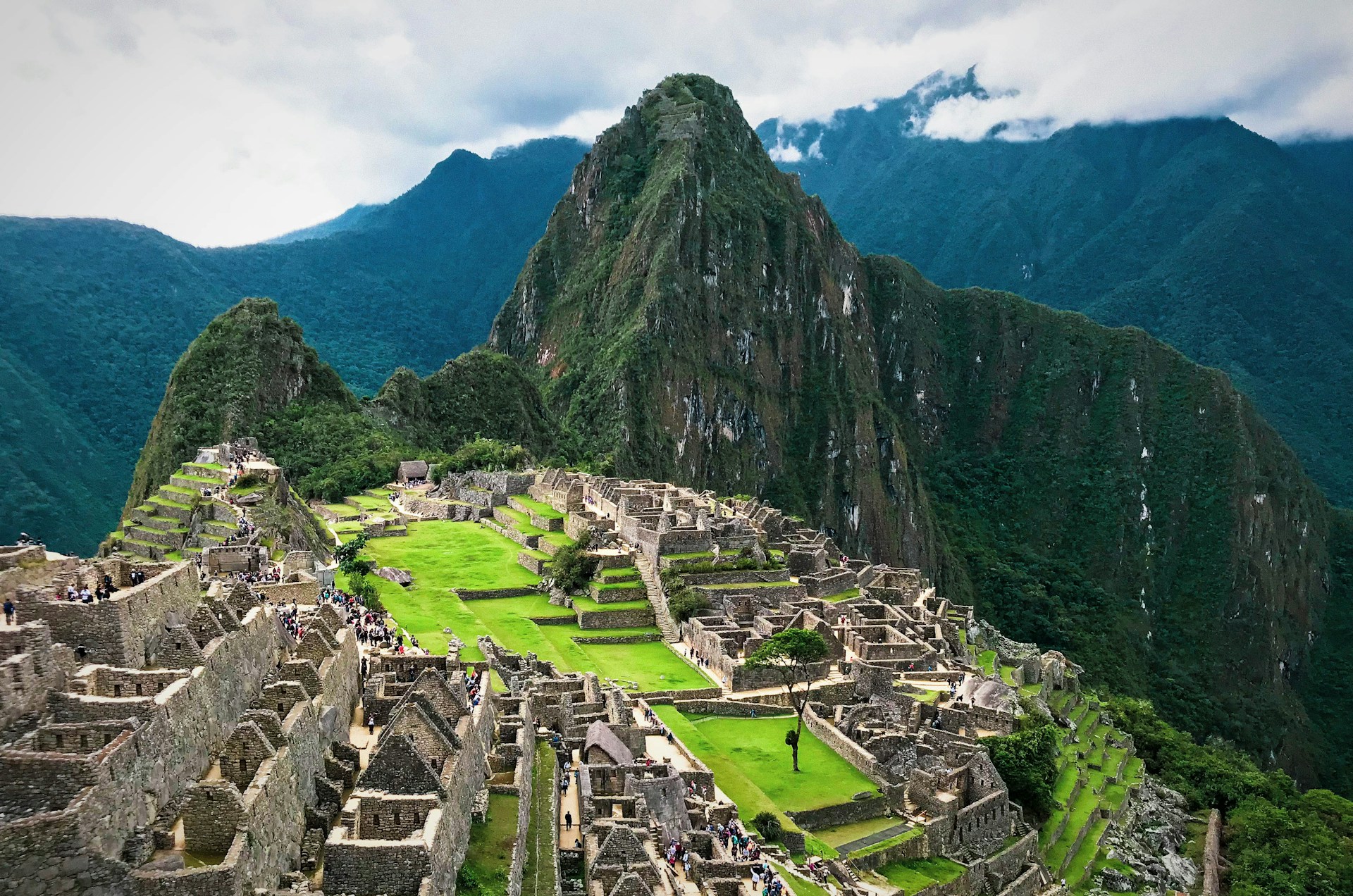
Take the first buses up for soft light and thinner crowds. At about 7,970 ft, the citadel is lower than Cusco, so altitude is rarely the issue. The optional Huayna Picchu climb is steep and exposed, only take it on if you have acclimatized well and feel strong. Machu Picchu now uses timed entry tickets and fixed circuits, so book your slot and the bus well ahead in dry season, and bring your passport, it is checked at the gate. Roughly 1.6 million people visit each year per Peru's culture ministry, which is exactly why the early entry is worth the alarm clock.
Day 7, back up to Cusco
Return by train and transfer up to Cusco at 11,150 ft. Here is the reward for pacing the route correctly: after five nights at altitude, the city that would have wrecked you on day one now feels manageable.
Day 8, Cusco on foot
San Blas, the cathedral, and the Qorikancha temple. Cusco is a walking city built on hills, which makes it quietly tiring at altitude, so pace yourself and take the cafe breaks.
Day 9, Sacsayhuaman and slack
Spend the morning at the ruins above the city, then leave the afternoon open. This buffer day is also insurance: if altitude cost you a day earlier, you have room to absorb it here without losing Machu Picchu.
Day 10, fly home via Lima
Morning flight to Lima and onward home. On the long-haul legs, move your legs every hour and keep drinking water to lower clot risk.
Health prep for this trip
The work that makes this trip easy happens weeks before you fly. Around six weeks out, review your routine and travel vaccines with a provider; the CDC generally emphasizes routine vaccines plus hepatitis A and typhoid for Peru, with yellow fever reserved mainly for travelers adding an Amazon leg. Confirm current guidance, because recommendations change.
About two weeks out, get your medications in hand. For this route that usually means acetazolamide for altitude and azithromycin as a standby for significant traveler's diarrhea, both prescription decisions to make with a clinician. A common acetazolamide approach is 125 mg twice daily starting a day or two before you ascend to Cusco and continuing for the first couple of days at altitude, but the right dose and whether you need it at all are individual, so have that conversation rather than copying a stranger's plan. Azithromycin is carried as a just-in-case: most traveler's diarrhea is mild and resolves with rehydration alone, and you only reach for the antibiotic if symptoms turn significant. The simplest way to line all of this up for the Cusco and Machu Picchu leg is Wandr's Machu Picchu travel-medicine plan; for travelers spending more time around the city and valley, the Cusco and Sacred Valley plan maps to the same route. If you and your provider choose acetazolamide, the usual approach is to start it one to two days before you ascend to Cusco. Not sure what you actually need? A free pre-trip health check sorts it in a couple of minutes. For the full country picture, the Peru destination health guide goes deeper on risks beyond this route.
What to pack
Pack for cold nights and strong sun, often on the same day. A short list that earns its space:
- Layers: a warm midlayer and a windproof shell; valley afternoons are mild, Cusco nights are near freezing.
- Sun protection: high-SPF sunscreen, a brimmed hat, and sunglasses. UV is intense at altitude.
- A refillable water bottle with a built-in filter, so safe water is never an excuse to under-hydrate.
- Your travel-medicine kit: altitude and gut medications, plus basics for pain, blisters, and motion sickness on the winding mountain roads.
- Broken-in walking shoes with grip for wet stone steps at Machu Picchu.
Best time to go and what to avoid
Peru's highlands run on two seasons, and the health calendar tracks the weather. The dry season, roughly May through September, is the reliable window: clear days, cold nights, and the firmest footing on the trails. It is also peak season, so book Machu Picchu entries and trains early.
The wet season, November through March, brings heavy highland rain, slick stone, and a higher chance of disrupted travel; the Inca Trail closes every February for maintenance. If you add a jungle or Amazon extension, the calculus shifts to mosquito-borne risk: the CDC notes dengue risk in Peru's lowland and jungle regions, and malaria risk is concentrated in the Amazon basin rather than the highland route. That is the kind of seasonality a generic "best time to visit" page ignores, and it is exactly what should shape when you go and what you carry.
Cost expectations
Peru spans backpacker to luxury, but a comfortable mid-range version of this itinerary, think three-star and boutique hotels, the tourist or Vistadome train to Machu Picchu, private transfers, and guided site visits, generally lands in the mid hundreds of dollars per day per person before international flights, with Machu Picchu entries, premium train classes, and a private guide pushing it higher. The altitude pacing in this plan costs you nothing extra; it is simply the order you do things in.
Day-by-day plan
| Day | What you're doing | Health note |
|---|---|---|
| 1 | Arrive Lima, acclimatize at sea level Land in Lima, settle into Miraflores, walk the Malecon above the Pacific, and eat well. An easy day at sea level before any altitude. | Hydrate aggressively starting now. Tomorrow you fly to Cusco at 11,150 ft, and starting well-hydrated blunts altitude symptoms. |
| 2 | Fly to Cusco, transfer straight down to the Sacred Valley Morning flight to Cusco, then drive 1.5 hours down to the Sacred Valley (Urubamba, about 9,400 ft) instead of staying in higher Cusco. Coca tea, a flat walk, an early night. | Sleeping lower than Cusco on night one is the single best acclimatization move. If you started acetazolamide 125 mg twice daily yesterday, continue it. |
| 3 | Sacred Valley, Pisac market and ruins A gentle day. Pisac's terraced ruins and artisan market, lunch in Urubamba. Nothing strenuous while your body adjusts. | Watch for the headache, poor sleep, and loss of appetite of mild altitude illness. Rest, fluids, and time fix most cases. Do not ascend further if symptoms are building. |
| 4 | Ollantaytambo fortress and town Explore the Ollantaytambo fortress and the living Inca town below it. Stay the night here to catch the early Machu Picchu train. | Ollantaytambo (about 9,160 ft) keeps you comfortably below Cusco for a third night of acclimatization before the big day. |
| 5 | Train to Aguas Calientes, evening at the base of Machu Picchu Scenic train down the Urubamba gorge to Aguas Calientes (about 6,700 ft). Lower, warmer, greener. Rest up for an early Machu Picchu entry. | Dropping to 6,700 ft feels great after the valley. This is also wetter, lower-jungle terrain, so shift to careful food and water habits to avoid traveler's diarrhea. |
| 6 | Machu Picchu Early bus up to the citadel for the soft morning light and thinner crowds. Guided circuit, optional Huayna Picchu climb, then back down to Aguas Calientes. | Machu Picchu (about 7,970 ft) is lower than Cusco, so altitude is rarely the problem here. The Huayna Picchu climb is steep and exposed, only attempt it if you have acclimatized well. |
| 7 | Return to Cusco Train and transfer back up to Cusco. By now your body has had five nights at altitude, so the city's 11,150 ft lands far easier than it would have on day one. | This late ascent to Cusco is the payoff for pacing the route low-to-high. Most travelers feel fine here now. Keep hydrating. |
| 8 | Cusco city, San Blas and the Qorikancha Wander San Blas, the cathedral, and the Qorikancha temple. Cusco rewards slow exploration on foot. | Cobblestone hills make Cusco deceptively tiring at altitude. Pace your walking and take cafe breaks. |
| 9 | Cusco, Sacsayhuaman and free time Morning at the Sacsayhuaman ruins above the city, afternoon for markets, museums, or a massage. Last full day in the Andes. | A relaxed buffer day also protects your itinerary: if any earlier day was disrupted by altitude, you have slack to absorb it here. |
| 10 | Fly home via Lima Morning flight Cusco to Lima, connect to your international flight. A long travel day to close the loop. | On the long flights home, move your legs hourly and hydrate to lower clot risk. If you carried azithromycin and had any gut trouble in the valley, you know your plan. |
Altitude protection for the trip that flies in high and walks out lower. Diamox cuts acclimatization from days to hours so you don't lose your first day in Cusco.
Half of travelers feel Cusco within hours of landing. Diamox before you fly cuts the rate and severity so day one isn't lost to headache and nausea.
Frequently Asked Questions
Machu Picchu itself sits at about 7,970 ft, but you almost always reach it through Cusco at 11,150 ft, where altitude illness is common. The CDC currently recommends acetazolamide for travelers who ascend rapidly above 2,500 m (8,200 ft), which Cusco and the Sacred Valley both exceed. Many travelers do well by pacing the route low-to-high and acclimatizing first; others add acetazolamide started one to two days before ascent. Talk to a provider about which fits you.
Plan for at least two nights at moderate altitude before any strenuous activity. This itinerary sleeps the first three nights in the Sacred Valley and Ollantaytambo (roughly 9,100 to 9,400 ft), which is meaningfully lower than Cusco, then visits Machu Picchu before returning to higher Cusco. Sleeping low first and ascending gradually is the most reliable way to prevent altitude illness.
Most travelers should not drink tap water in Peru. Use bottled, boiled, or filtered water, including for brushing teeth, and skip ice of unknown origin. Traveler's diarrhea is the most common travel illness worldwide, affecting an estimated 30 to 70 percent of travelers depending on destination and season per the CDC. Careful food and water choices are your first line of defense.
Most cases are self-limited: prioritize oral rehydration with clean fluids and electrolytes. For moderate to severe cases, many travelers carry a provider-prescribed antibiotic such as azithromycin to start if symptoms are significant. Seek in-person care for high fever, blood in the stool, or signs of dehydration. Discuss a personalized plan with a clinician before you travel.
The dry season, roughly May through September, offers the most reliable weather for the Andes and Machu Picchu, with clear days and cold nights. The wet season (November through March) brings heavy rain in the highlands; the Inca Trail closes every February for maintenance. Shoulder months (April, October) can balance thinner crowds with decent weather.
Yes. This route is paced for comfort, not endurance, with gentle valley days before any climbing and a buffer day in Cusco. The main physical challenge is altitude, not distance. If you have heart or lung conditions, are pregnant, or take regular medications, review the plan and any altitude medication with your own provider first.
For the classic Lima, Cusco, Sacred Valley, and Machu Picchu route, the CDC generally emphasizes routine vaccines plus hepatitis A and typhoid for most travelers. Yellow fever vaccination is recommended mainly if you travel to the Amazon basin and some lowland jungle areas, not for the highland route. Requirements change, so confirm current guidance with a provider and the CDC destination page before you go.
Cusco sits at about 11,150 ft (3,400 m). The Sacred Valley towns of Urubamba and Ollantaytambo sit lower, around 9,160 to 9,420 ft. Machu Picchu is lower still at about 7,970 ft (2,430 m). That spread is exactly why pacing matters: sleeping in the valley first and saving higher Cusco for later in the trip makes the whole route easier on your body.
Coca tea is a common local remedy and many travelers find it mildly helpful for symptoms, but it is not a substitute for proper acclimatization or prescribed medication, and it can cause a positive drug test. Treat it as a comfort, not a prevention strategy. The dependable tools remain gradual ascent, hydration, rest, and, where appropriate, acetazolamide.
Alec Freling, MD is a board-certified emergency medicine physician and co-founder of Wandr Health with ER experience treating returning travelers.