
Angola Travel Health Guide: 100% Malaria Risk Nationwide, a Required Yellow Fever Shot, and the Deadliest Marburg Outbreak on Record
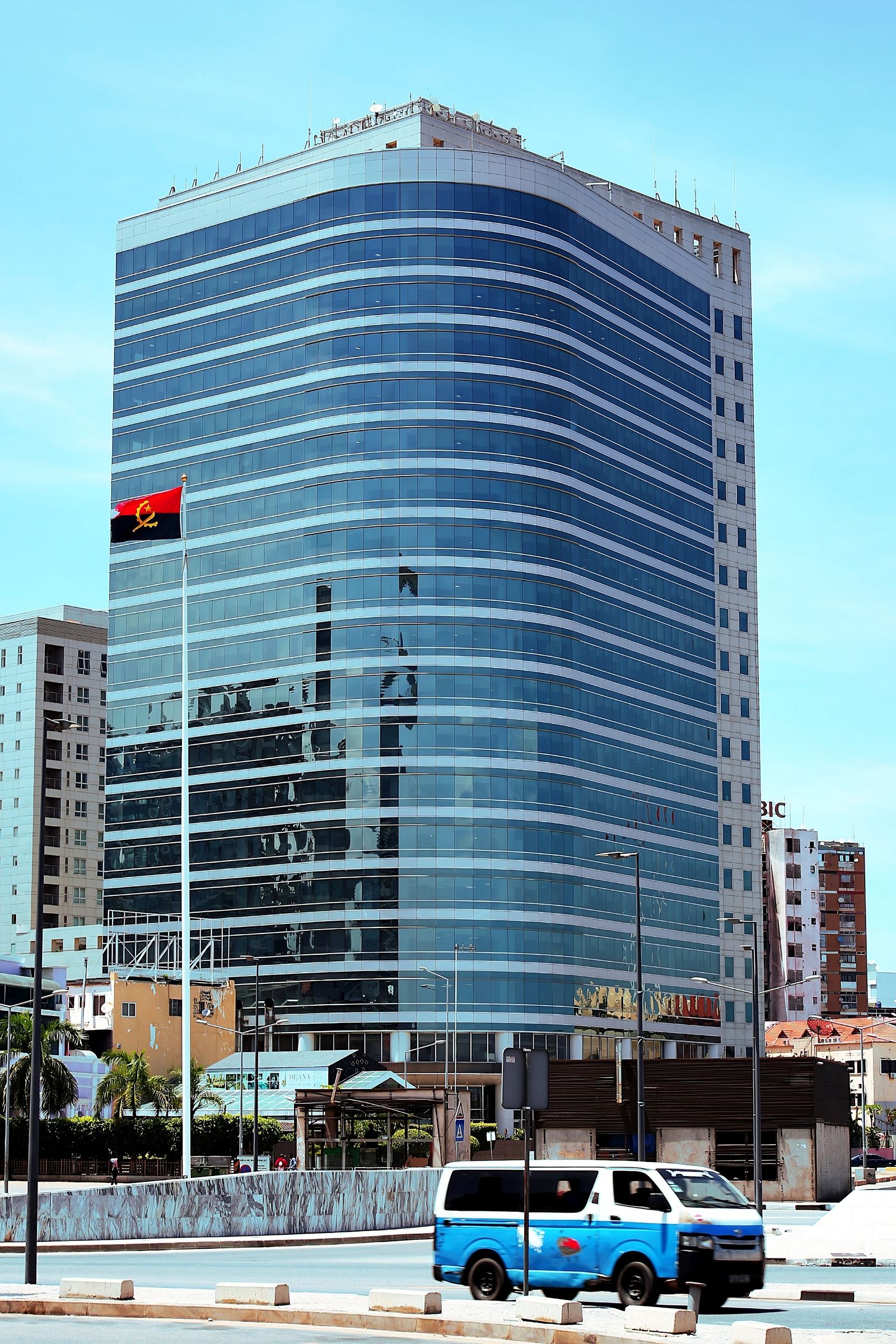
Angola carries malaria risk across its entire territory, and the World Health Organization estimates the country logged roughly 9.8 million cases and 16,385 deaths in 2024, about 3.5% of the global malaria burden. Proof of yellow fever vaccination is required for entry, cholera remains a recurring risk tied to water and sanitation, and northern Angola was the site of the deadliest Marburg virus outbreak ever recorded, a 2004-2005 epidemic with a case fatality rate over 90%. The US State Department rates Angola Level 2, Exercise Increased Caution, citing violent crime in Luanda and landmines in rural areas. Our clinical team prescribes Malarone (atovaquone-proguanil) for essentially every Angola itinerary and reviews the current advisory before you travel. Start your visit on Wandr before you fly.
Angola Travel Health Guide: 100% Malaria Risk Nationwide, a Required Yellow Fever Shot, and the Deadliest Marburg Outbreak on Record
Angola carries malaria risk across its entire territory, and the World Health Organization estimates the country logged roughly 9.8 million cases and 16,385 deaths in 2024, about 3.5% of the global malaria burden. Proof of yellow fever vaccination is required for entry, cholera remains a recurring risk tied to water and sanitation, and northern Angola was the site of the deadliest Marburg virus outbreak ever recorded, a 2004-2005 epidemic with a case fatality rate over 90%. The US State Department rates Angola Level 2, Exercise Increased Caution, citing violent crime in Luanda and landmines in rural areas. Our clinical team prescribes Malarone (atovaquone-proguanil) for essentially every Angola itinerary and reviews the current advisory before you travel. Start your visit on Wandr.
By Alec Freling, MD Last updated: September 30, 2026
Quick Facts: Angola Health at a Glance
- Region: Southern Africa's Atlantic coast, bordered by Namibia, Zambia, and the Democratic Republic of the Congo, with the Cabinda exclave separated from the mainland by a strip of DRC territory. Capital and largest city: Luanda. Visitor draws include Kalandula Falls, Kissama National Park, the Serra da Leba mountain pass, and Luanda's colonial-era forts and waterfront.
- CDC/WHO Malaria Risk: Present nationwide, in every province and season. The World Health Organization estimates 100% of Angola's population lives in an area at risk.
- Key Health Risks: Malaria nationwide, a required yellow fever vaccination, cholera, traveler's diarrhea, rabies, schistosomiasis in freshwater, and a documented history of Marburg hemorrhagic fever in the north.
- Recommended Vaccines: Yellow fever (required for entry), typhoid, hepatitis A, hepatitis B for longer stays, cholera for high-exposure itineraries, routine vaccines confirmed current, and rabies pre-exposure vaccination for extended or rural stays.
- Recommended Medications: Malarone (atovaquone-proguanil) for malaria prevention, an antibiotic for traveler's diarrhea, and something for motion sickness, sleep, and skin irritation.
- US State Department Advisory: Level 2, Exercise Increased Caution, current as of a 2026 update, citing violent street crime in Luanda, limited medical infrastructure, and landmines remaining in rural areas from Angola's civil war.
- Travel Insurance Recommended: Yes, including medical evacuation coverage, given the malaria burden, limited facilities outside Luanda, and the security picture the advisory describes.
Overview
Angola is one of Southern Africa's least-visited but most geographically dramatic countries: a nearly 1,000-mile Atlantic coastline, the thundering Kalandula Falls, the switchback Serra da Leba mountain road, and Luanda, a fast-growing capital shaped by oil wealth and Portuguese colonial architecture. It is also a country where several distinct health risks stack on top of each other in a way that deserves specific pre-trip planning rather than a generic African-travel checklist.
The single fact that shapes every Angola itinerary is that malaria transmission is essentially universal here. It does not vary meaningfully by region, city, or season the way it does in many neighboring countries. Our clinical team's approach to any Angola trip starts with that fact, then layers in the yellow fever entry requirement, cholera exposure, and the security and infrastructure picture behind the country's current travel advisory.
Malaria: A Risk That Covers the Entire Country
Malaria is not a regional concern in Angola; it is a national one. The World Health Organization's malaria surveillance data, aggregated by the Severe Malaria Observatory, puts 100% of Angola's population in an area at risk of transmission, with an estimated 37.9 million people living in that zone. In 2024, WHO estimated roughly 9.8 million malaria cases and 16,385 deaths in Angola, a burden that accounted for approximately 3.5% of malaria cases and 2.7% of malaria deaths worldwide that year, the second-highest case share within the WHO Central African subregion at roughly 15.0%.
The trend line is moving in the wrong direction. Estimated incidence rose about 15% between 2023 and 2024, from roughly 225 to 259 cases per 1,000 population at risk, even as the estimated mortality rate ticked down slightly. Angola's transmission pattern splits into two zones: the central and coastal provinces, including Luanda, see mesoendemic, fairly stable year-round transmission, while the southern provinces bordering Namibia experience more seasonal transmission that is prone to sharper epidemic spikes.
Plasmodium falciparum, the species responsible for the most severe disease, predominates across Angola. Our clinical team prescribes Malarone (atovaquone-proguanil) for Angola itineraries: it starts one to two days before arrival, continues daily through the trip, and finishes just seven days after departure, a notably shorter post-travel course than older antimalarials require. Given the scale of transmission described above, this is not a medication our providers treat as optional for a Luanda business trip versus a rural itinerary; the data does not support that distinction in Angola the way it might elsewhere.
"Angola is one of the countries where I don't hedge," says Alec Freling, MD, emergency medicine physician and co-founder of Wandr Health. "The transmission data doesn't support treating a Luanda hotel stay as lower-risk than a trip into the interior. We prescribe Malarone for essentially every itinerary here, full stop."
Yellow Fever: Required for Entry, No Exceptions by Arrival Point
Angola requires proof of yellow fever vaccination for entry, a rule the World Health Organization has specifically and repeatedly reminded travelers about, including after a serious outbreak. Arrivals without a valid International Certificate of Vaccination or Prophylaxis, the "yellow card," risk vaccination on arrival under far less controlled conditions than a pre-trip appointment, or denial of entry outright.
The planning news is straightforward: the WHO has confirmed that a single yellow fever vaccine dose provides lifelong protection and is both safe and affordable, so this is a one-time appointment, not a recurring one, and the vaccine becomes effective 10 days after administration. Our clinical team recommends getting vaccinated at least 10 days before arrival specifically so the certificate is considered valid at the border on day one.
This requirement is not theoretical. Angola experienced a serious yellow fever outbreak in 2015-2016 that produced 1,975 suspected cases and 258 deaths, concentrated mainly in Luanda and two other provinces, according to WHO. The outbreak is a large part of why the entry requirement is enforced as strictly as it is today, and why our providers treat this vaccine as non-negotiable for Angola travel rather than a box to check later.
Marburg Virus: The History Every Traveler Should Know, Not Fear
Here is the fact that separates Angola from almost every other destination in this guide series. Northern Angola's Uige Province was the epicenter of the largest and deadliest Marburg hemorrhagic fever outbreak ever documented. Between October 2004 and mid-2005, the outbreak grew to 266 reported cases and 244 deaths by the time WHO's April 2005 update was published, a case fatality rate above 90%, among the highest ever recorded for any infectious disease outbreak of that size. WHO explicitly called it "the largest and deadliest on record" for Marburg at the time. Genomic analysis published in the Journal of Virology later confirmed the outbreak traced to a single viral lineage, consistent with one introduction event rather than repeated spillover.
Marburg virus has no Wandr-offered treatment or vaccine, and there is no current, active Marburg outbreak in Angola as of this update. This section exists for context and honesty, not to alarm: Marburg is spread through direct contact with infected bodily fluids or, at the source, exposure to fruit bat colonies in caves or mines, not through casual contact, food, or water the way malaria or cholera spread. A standard Luanda, coastal, or national-park itinerary carries essentially no exposure pathway to this specific risk. We include it here because a guide that only covers malaria and yellow fever while ignoring Angola's most famous outbreak in international health circles would not be giving travelers the full picture.
Cholera: A Recurring, Preventable Risk
Cholera remains a real and recurring risk in Angola, tied directly to gaps in water treatment and sanitation infrastructure rather than to any single outbreak. The CDC's standard travel guidance for Angola includes cholera vaccination as a consideration for travelers with higher-exposure itineraries, such as extended stays, work in healthcare or disaster response, or travel to areas with unreliable water and sanitation access outside Luanda's main tourist areas. Cholera spreads through contaminated water and food, which is why the food and water precautions below matter well beyond ordinary traveler's diarrhea prevention here.
Our providers can book vaccine appointments through Wandr for cholera alongside your other required and recommended vaccines, based on your specific itinerary and length of stay.
Traveler's Diarrhea and Everyday Risks
Traveler's diarrhea is the most common health complaint among visitors to Angola, driven by food and water preparation standards that differ from what most US travelers are used to. Our clinical team recommends carrying an antibiotic for it: azithromycin is our first-line choice, with ciprofloxacin as an alternative when azithromycin is not appropriate. An antispasmodic like dicyclomine can ease the cramping that often comes with it, and an anti-nausea medication like ondansetron is worth packing regardless of the cause.
Freshwater exposure carries a separate risk. Slow-moving rivers, lakes, and irrigation channels in parts of Angola can carry schistosomiasis, a parasitic infection acquired through skin contact with contaminated water rather than by drinking it. Avoid wading or swimming in untreated freshwater; stick to the ocean, a pool, or water your lodge specifically confirms is safe.
Rabies circulates in domestic and stray animals across the country, and the CDC lists Angola among the higher-risk destinations for dog rabies. Any animal bite or scratch, even a minor-seeming one, needs prompt wound washing and medical evaluation, since post-exposure treatment is time-sensitive rather than something to delay until you are home. Our clinical team can discuss pre-exposure rabies vaccination for extended stays, work with animals, or travel into remote areas with limited access to care.
Getting Around: Heat, Long Drives, and No Altitude Risk
Luanda and the coast are hot and humid for most of the year, and travel between regions often means long overland drives on roads that vary considerably in quality, including the dramatic switchbacks of the Serra da Leba pass. That makes motion sickness coverage worth packing for anyone prone to it: a scopolamine patch or meclizine covers winding mountain roads and boat transport along the coast alike. Long transit days plus jet lag on the flight over are common reasons travelers ask about something for sleep; hydroxyzine is our clinical team's usual choice for short-term flight anxiety and sleep support, alongside general pain and fever relief with ibuprofen for the inevitable headache after a long trip.
Angola's tropical humidity also makes fungal skin irritation and heat rash more common than travelers expect on multi-day trips without reliable air conditioning. A combination antifungal and steroid cream, clotrimazole-betamethasone, is a simple, practical thing to pack for exactly that.
One risk you can cross off the list: altitude. Angola's highest point, Morro de Moco, reaches roughly 2,620 meters (8,596 feet), but it sits far off the standard tourist circuit, sees very little climbing traffic, and requires no technical ascent planning comparable to Kilimanjaro or the Andes. For the Luanda, coastal, Kissama, and Kalandula Falls itineraries most US travelers actually take, there is no meaningful altitude exposure at all.
The Security Picture: Why the Advisory Sits at Level 2
The US State Department currently rates Angola Level 2, Exercise Increased Caution, in a 2026 update that cites violent street crime in Luanda specifically, including guidance urging travelers to reconsider visiting parts of the metropolitan area, along with limited medical infrastructure nationwide and the lingering presence of landmines in rural areas dating back to Angola's decades-long civil war. None of these three factors are health risks in the clinical sense this guide otherwise covers, but they shape practical trip planning just as directly.
Our clinical team's practical advice: stick to well-traveled areas and reputable transportation in Luanda, avoid displaying valuables, never walk off marked paths or roads in rural areas given the landmine risk, and register your trip with the Smart Traveler Enrollment Program before you go. Given the "limited medical infrastructure" language in the current advisory, this is also exactly the kind of destination where evacuation-inclusive travel insurance earns its cost if something goes seriously wrong outside Luanda.
Practical Prep Timeline
Start your health prep four to six weeks before departure if possible, since the yellow fever vaccine needs at least 10 days to become valid and some vaccine series take multiple visits.
- 4-6 weeks out: Book your yellow fever vaccine appointment and confirm typhoid, hepatitis A, and (if your itinerary warrants it) cholera coverage.
- 1-2 weeks out: Start Malarone if your prescribing schedule calls for early initiation, and fill your traveler's diarrhea and motion sickness prescriptions.
- Before you fly: Confirm your yellow fever certificate is in hand, review the current State Department advisory for Luanda and your specific route, and pack your full medication kit rather than planning to buy items locally.
Medical Disclaimer
This guide is for general educational purposes and does not replace individualized medical advice. Health risks, vaccine requirements, and travel advisories change, and our clinical team reviews your specific itinerary, health history, and travel dates before prescribing anything. Visa, entry, and immigration requirements are set by the government of Angola and the US Department of State; confirm current requirements directly with the Embassy of Angola or travel.state.gov before you travel, since this guide does not make visa or immigration determinations.
Frequently Asked Questions
Do you need vaccines for Angola? Yes. Yellow fever vaccination is required for entry regardless of where you are arriving from, and the CDC recommends typhoid and hepatitis A for most travelers. Hepatitis B is recommended for longer stays, and cholera vaccination is worth discussing for higher-exposure itineraries.
Do I need malaria pills for Angola? Almost certainly, yes. The World Health Organization estimates 100% of Angola's population lives in an area at risk of malaria, with roughly 9.8 million cases and over 16,000 deaths estimated in 2024 alone. Our clinical team prescribes Malarone (atovaquone-proguanil) for essentially every Angola itinerary.
Is Angola safe to visit right now? The US State Department rates Angola Level 2, Exercise Increased Caution, citing violent street crime in Luanda, limited medical infrastructure, and landmines remaining in rural areas. It is not the lowest advisory tier, but it is also not a "do not travel" designation; standard urban-travel precautions and avoiding rural off-road areas matter here.
Do you need a yellow fever vaccine for Angola? Yes, and it is a requirement, not a recommendation. A single dose provides lifelong protection according to the WHO; get vaccinated at least 10 days before arrival so your certificate is valid at the border.
Was there really a deadly Marburg outbreak in Angola? Yes. Between October 2004 and mid-2005, an outbreak centered in Uige Province in northern Angola grew to 266 reported cases and 244 deaths by WHO's April 2005 count, a case fatality rate over 90%, the largest and deadliest Marburg outbreak on record at the time. There is no active outbreak today, and the exposure pathway (bodily fluid contact or bat-cave exposure) does not affect a standard tourist itinerary.
Is there a cholera risk in Angola? Yes, cholera remains a recurring risk tied to water and sanitation gaps, particularly outside Luanda's main tourist infrastructure. Our clinical team can discuss cholera vaccination for higher-exposure itineraries as part of your Wandr visit.
Can I swim in Angola's rivers and lakes? Slow-moving freshwater in parts of Angola can carry schistosomiasis, a parasitic infection acquired through skin contact with contaminated water. Avoid swimming or wading in untreated freshwater; ocean beaches and properly maintained pools do not carry this risk.
Is the tap water safe to drink in Luanda? Bottled or properly treated water is the safer default throughout Angola, including in Luanda. Traveler's diarrhea and cholera both trace back to food and water safety, so our clinical team recommends carrying a treatment on hand rather than relying on local water quality.
Do I need altitude sickness medication for Angola? No, not for a standard itinerary. Angola's highest point, Morro de Moco, reaches about 2,620 meters (8,596 feet) but sits far outside the typical Luanda, coastal, and national-park circuit most US travelers follow, so acetazolamide has no real role here.
Sources
- World Health Organization, Marburg hemorrhagic fever Disease Outbreak News, Angola: https://www.who.int/emergencies/disease-outbreak-news/item/2005_04_22-en
- World Health Organization, "Yellow fever vaccination essential for Angola, WHO reminds travellers": https://www.who.int/news/item/26-04-2016-yellow-fever-vaccination-essential-for-angola-who-reminds-travellers
- CDC MMWR, "Outbreak of Marburg Virus Hemorrhagic Fever, Angola, October 1, 2004-March 29, 2005": https://www.cdc.gov/mmwr/preview/mmwrhtml/mm54d330a1.htm
- Severe Malaria Observatory, Angola malaria statistics (WHO World Malaria Report data): https://www.severemalaria.org/countries/angola
- CDC, Travelers' Health, Angola destination page: https://wwwnc.cdc.gov/travel/destinations/traveler/none/angola
- US Department of State, Angola Travel Advisory: https://travel.state.gov/en/international-travel/travel-advisories/angola.html
Note for reviewer: malaria burden statistics, the yellow fever requirement, and the Marburg and 2015-2016 yellow fever outbreak figures come from live WHO, CDC MMWR, and Severe Malaria Observatory sources fetched during this run; the current Level 2 State Department advisory language was confirmed via a live fetch of secondary reporting on the 2026 advisory update rather than the travel.state.gov page directly (blocked by robots.txt during this session), so please spot-check the live advisory text before this post leaves Draft status, per standard medical-content review. Direct CDC destination-page fetches were also blocked by robots.txt this run; the CDC vaccine/medication list above reflects standard, well-established CDC Yellow Book guidance for this region and should be spot-checked against the live page as well.
Related Wandr Content
- Malaria Prevention for Travelers: The Complete Guide
- Yellow Fever Vaccine for Travelers: Country-by-Country Requirements
- Travel Health Guide: Zambia
- Rabies Vaccine: A Traveler's Guide
Our clinical team reviews every Angola itinerary before prescribing, from malaria prevention to the yellow fever certificate you need at the border. Start your visit on Wandr, browse the full medication catalog, or explore vaccine appointment booking and travel insurance options before you fly.
Alec Freling, MD is a board-certified emergency medicine physician and co-founder of Wandr Health with ER experience treating returning travelers.