
The 7-Day Victoria Falls & Safari Itinerary: The Health-Smart Version
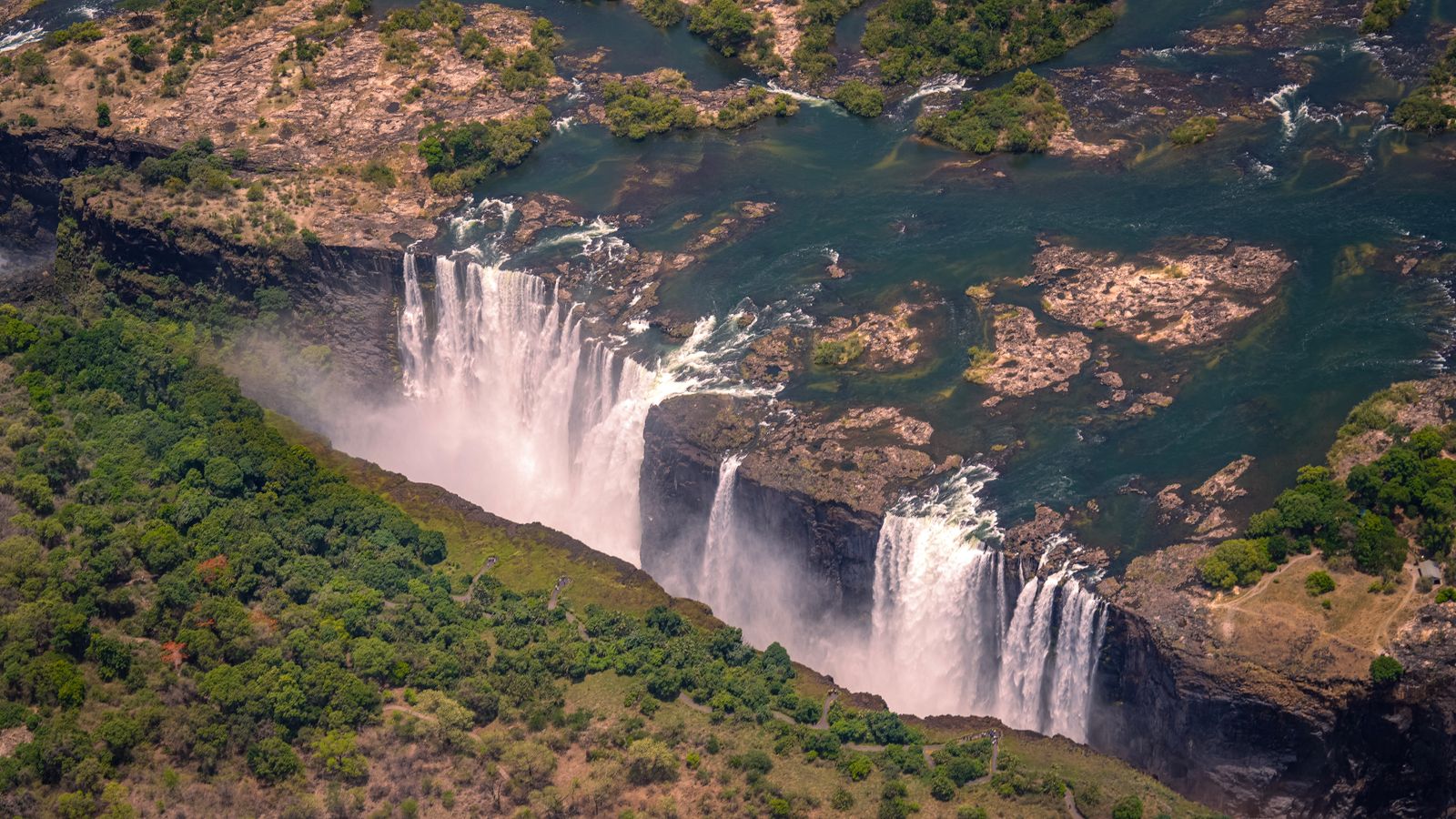
This 7-day itinerary pairs Victoria Falls with Hwange National Park, Zimbabwe's largest reserve at roughly 14,600 square kilometers and home to an estimated 45,000 elephants. The health factor that actually shapes the plan is malaria. CDC currently flags the Zambezi Valley, including Victoria Falls, as a year-round transmission zone, so most travelers on this route should start atovaquone-proguanil 1 to 2 days before arrival and continue for 7 days after leaving. As an ER physician, the prep I focus travelers on is simple: a daily antimalarial, a backup antibiotic for traveler's diarrhea, and rigorous evening mosquito-bite avoidance. Confirm specifics with a provider before you go.
Victoria Falls is the kind of trip people plan around the view and then forget that the river feeding that view sits in one of the few places CDC flags for year-round malaria. I am an ER physician, and the returning travelers I worry about most are not the ones who fell off a kayak. They are the ones who skipped a daily pill because the lodge looked too nice to be a malaria zone. This itinerary keeps the falls and the elephants front and center while building the few health decisions that actually matter, malaria prophylaxis first, into the structure of the week rather than tacking them on at the end.
Who this itinerary is for
This is a first-timer's week that balances the two headline experiences of the region: the largest sheet of falling water on Earth and the elephant herds of Hwange. It suits travelers who want a comfortable, lodge-based safari rather than a rugged self-drive, and who are happy to take a daily antimalarial in exchange for visiting at the best game-viewing time of year.
Fitness demands are modest. You will walk the falls rainforest trail, sit through long game drives on bumpy tracks, and manage early mornings. The health profile to expect is environmental and infectious rather than altitude-driven: heat, sun, mosquito exposure at dawn and dusk, and the standard food-and-water caution of sub-Saharan Africa. If you have a chronic condition or take regular medication, clear the antimalarial choice with your provider first.
It also suits travelers who like to combine countries. The classic Victoria Falls circuit rarely stays in one place, and many trips touch Zimbabwe, Zambia and Botswana inside a single week. That is part of the appeal and part of why the health plan is built around one daily tablet that covers every border you are likely to cross. Returning travelers who do well on this trip tend to be the ones who treated the prep as seriously as the booking.
The route
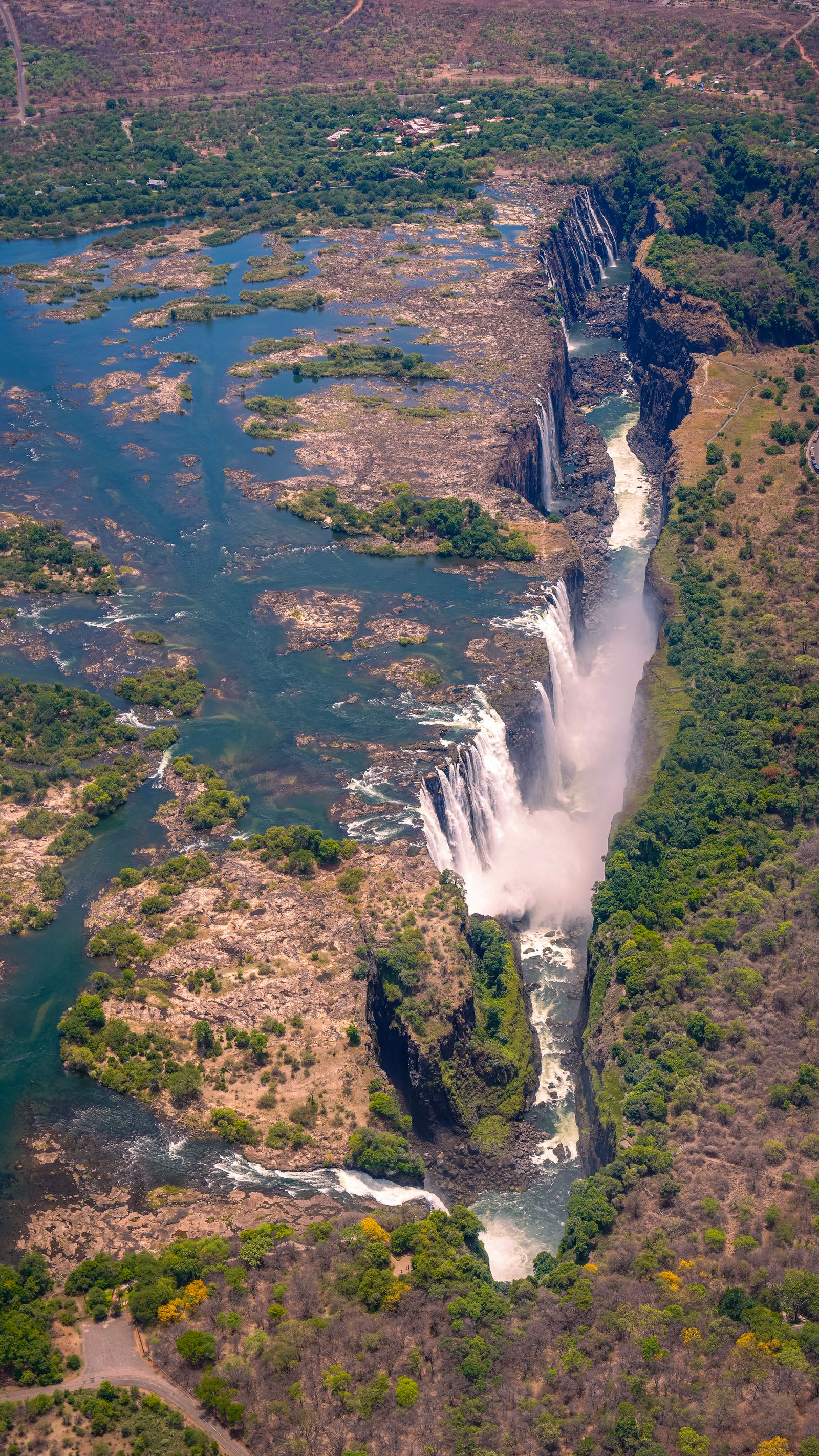
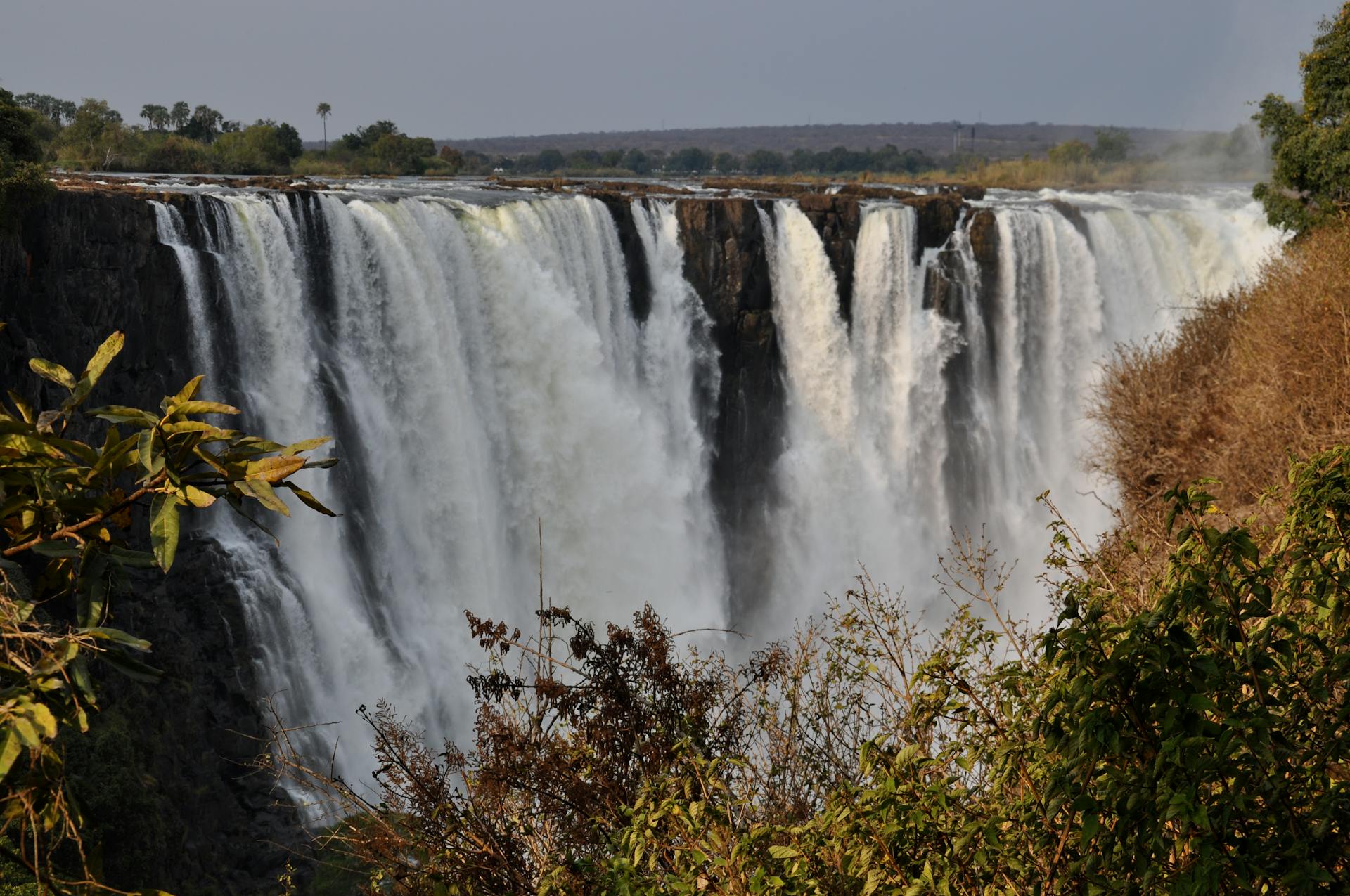
The week is anchored on the Zimbabwe side of Victoria Falls, then loops south into Hwange and back. You arrive at Victoria Falls Airport and spend the first two nights in or near the town, giving you a full day on the falls themselves. The Zimbabwe side faces the majority of the 1,708 m wide, 108 m high curtain of water, so you see more of the falls from here than from the Zambian bank, per longstanding geographic descriptions of the site.
From the falls you transfer roughly two to three hours south to Hwange National Park, Zimbabwe's largest reserve at around 14,600 square kilometers. Because Hwange has almost no natural permanent water, its game concentrates around artificial waterholes pumped since the 1930s, which makes wildlife viewing unusually reliable in the dry season. You then return north to the Zambezi for a sunset cruise, and on day six you have the option to cross into Zambia at Livingstone for the Knife Edge Bridge and, in low-water months, Devil's Pool, or to day-trip into Botswana's Chobe from Kasane. Your antimalarial covers all of these zones, which is part of why a single daily tablet is the right tool for a multi-country circuit.
Day-by-day plan
Day 1: Arrive Victoria Falls town
Fly into Victoria Falls Airport and transfer the short distance into town. After a long journey, the goal is rest, hydration, and an early night. If your provider had you start atovaquone-proguanil 1 to 2 days before arrival, you are already covered. If not, take your first dose now with food so you are protected before the first evening of mosquito exposure. Keep arms and ankles covered after sunset from day one.
Day 2: Victoria Falls, the Zimbabwe side
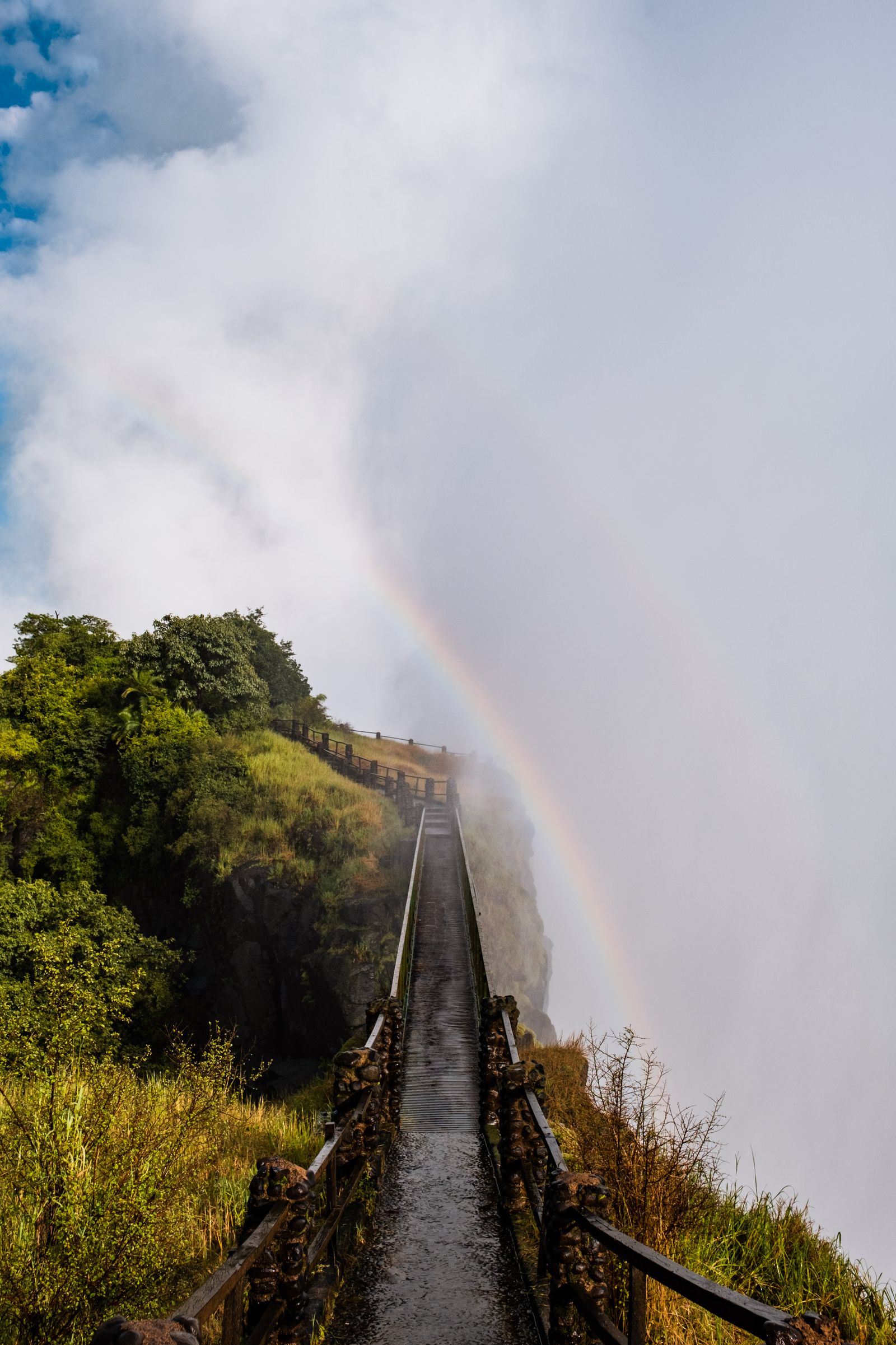
Spend the day on the rainforest trail that runs along the gorge opposite the falls. In the high-water months of roughly February through July, with peak flow around April, the spray is so heavy it falls like rain on the trail, so a quick-dry layer keeps you from getting chilled. In the low-water months later in the year the view is clearer and you can see more rock face. Either way, the falls reward a slow morning and a return at golden hour. Cover up again at dusk.
Day 3: Transfer to Hwange, first game drive
A two-to-three-hour road transfer brings you south to Hwange. Settle into your lodge and head out on an afternoon game drive that runs into dusk. This is your first real mosquito-exposure window of the trip, because the malaria-carrying Anopheles mosquito bites mainly between dusk and dawn, exactly when the best wildlife sightings happen. Repellent and long sleeves are not optional on drives. Most travelers should already be a day or two into their antimalarial by now.
Day 4: Full-day Hwange game viewing
A full day of morning and afternoon drives around Hwange's waterholes, where the park's elephants, estimated at 45,000 or more, gather alongside buffalo, giraffe, zebra and predators. The day is long and hot, so drink water steadily between sightings and protect against the sun. Stick strictly to bottled or treated water for drinking and brushing teeth, and never rinse food in untreated water. This is the single most effective thing you can do to lower your traveler's diarrhea risk.
Want the health prep for Zimbabwe?
Get a 60-second pre-trip check: the vaccines, prescriptions, and altitude/seasonality notes that change the plan — built for your exact dates.
Day 5: Return to the Zambezi, sunset cruise
Drive back north toward the river and trade the dust for water. An upper Zambezi sunset cruise is a calm way to see hippos, elephants on the bank, and birdlife as the light drops. Enjoy the water from the boat, but do not wade or swim in the river edges or any still backwater. Slow-moving and standing freshwater in the region can carry schistosomiasis, also called bilharzia, a parasite that penetrates skin during contact.
Day 6: Livingstone or Chobe
Today is your cross-border day. Option one is to cross into Zambia at Livingstone for the Knife Edge Bridge view and, if you are visiting in the low-water dry season, the guided Devil's Pool on the lip of the falls, typically accessible mid-August through December. Option two is a day trip into Botswana's Chobe National Park from Kasane for river-based game viewing. Carry your passport and, if your wider routing has passed through a yellow fever country, your vaccination certificate. Your daily antimalarial already covers Zambia and Botswana, so no change is needed.
Day 7: Depart
A final slow morning before your airport transfer and flight out. The single most common prophylaxis mistake I see is stopping the antimalarial at the airport. Atovaquone-proguanil must continue for 7 days after you leave the malaria zone to clear any parasites incubating from a late bite, so keep taking it at home.
Health prep for this trip
The prep timeline for this region is shorter and simpler than for a high-altitude trek, but the malaria piece is non-negotiable. CDC currently identifies the Zambezi Valley, including Victoria Falls, as a year-round malaria transmission area, with the broadest risk below 1,200 m from November to June. For most travelers, CDC recommends atovaquone-proguanil, doxycycline, or mefloquine. Atovaquone-proguanil (Malarone) is a frequent pick for this circuit because the dosing window is tight: start 1 to 2 days before arrival, take it daily, and continue for just 7 days after departure. One tablet covers all three sides of the Zimbabwe, Zambia and Botswana route. You can read more about the regimen on the atovaquone-proguanil page, and the full Victoria Falls safari travel-medicine bundle pairs it with a traveler's diarrhea plan.
Traveler's diarrhea is the other near-certainty. With sub-Saharan Africa among the highest-risk regions worldwide, a backup plan is sensible. Hydration and oral rehydration salts handle most mild cases; for moderate to severe illness, CDC notes that a short antibiotic course can shorten the episode, and Wandr provides azithromycin 500 mg once daily for 3 days. If cramping is prominent, dicyclomine can ease the spasms. Beyond prescriptions, see a provider 4 to 6 weeks out for hepatitis A and typhoid, the two food-and-water vaccines CDC commonly recommends for Zimbabwe, and confirm whether your routing triggers the yellow fever certificate rule. For the broader country picture, see the Zimbabwe destination guide.
What to pack
Pack neutral-colored long-sleeve shirts and trousers for game drives, which double as evening mosquito cover. Bring a high-DEET or picaridin repellent, a wide-brim hat, high-SPF sunscreen, and polarized sunglasses for the glare off water and open plains. A quick-dry layer or light rain shell earns its place on the spray-soaked falls trail. Carry your antimalarial in its original packaging, an oral rehydration salts supply, your azithromycin course, any personal medications, and a small first-aid kit. A reusable water bottle plus a way to confirm water is treated rounds out the health-relevant gear.
Best time to go and what to avoid
The region splits cleanly into a dry season and a wet season, and they pull in different directions. For game viewing, the dry months of May to October are best because thinning vegetation and shrinking water push wildlife to Hwange's waterholes. For the falls at full thunder, the high-water window of February to July, peaking around April, is most dramatic, though heavy spray can obscure the view. Devil's Pool only opens in the low-water dry season. Malaria risk runs highest in the wet months but never fully disappears in the Zambezi Valley, so the season changes your packing and your expectations, not your decision to take prophylaxis.
Cost expectations
A lodge-based Victoria Falls and Hwange week sits in the mid-to-upper range for African safari travel, driven mostly by park fees, light-aircraft or road transfers, and the all-inclusive nature of safari lodges. Cross-border activities into Zambia or Botswana add visa and excursion costs, and the Devil's Pool and Chobe day trips are usually priced separately. The health budget is small by comparison: a course of antimalarial tablets, a traveler's diarrhea kit, and a travel-health consult are a minor line item against the trip total, and they are the part most likely to protect the rest of your investment. Spending a little time on prep before you go is the cheapest insurance on the whole itinerary, and it is the difference between remembering the elephants and remembering a fever.
Day-by-day plan
| Day | What you're doing | Health note |
|---|---|---|
| 1 | Arrive Victoria Falls town, settle and start your antimalarial Land at Victoria Falls Airport (VFA), transfer into town, rest after travel. | If you have not already, take your first atovaquone-proguanil dose so you are covered before exposure. Cover up at dusk. |
| 2 | Victoria Falls full day on the Zimbabwe side Walk the rainforest trail along the gorge; the Zimbabwe side faces most of the falls. | Spray drenches the trail in high-water months. A dry layer prevents chilling; keep evenings covered against mosquitoes. |
| 3 | Transfer south to Hwange National Park, afternoon game drive Roughly a 2 to 3 hour road transfer to Hwange; first waterhole game drive at dusk. | Peak mosquito activity is dawn and dusk, exactly when game drives run. Use repellent and long sleeves on every drive. |
| 4 | Full day in Hwange, waterhole game viewing Morning and afternoon drives around the artificial waterholes that concentrate Hwange's elephant herds. | Hydrate steadily in the heat. Do not drink or rinse from untreated water sources; stick to bottled or treated water. |
| 5 | Return toward the Zambezi, sunset river cruise Drive back north to the river; an upper Zambezi sunset cruise for hippos, elephants and birdlife. | Avoid wading or swimming in the river or still backwaters; slow freshwater in the region can carry schistosomiasis (bilharzia). |
| 6 | Cross to Livingstone (Zambia) or day-trip to Chobe (Botswana) Knife Edge Bridge views and, in low-water months, Devil's Pool on the Zambian side, or a Chobe river game drive from Kasane. | Carry your yellow fever certificate if your routing has passed through a yellow-fever-risk country. Your antimalarial covers all three borders. |
| 7 | Depart Victoria Falls Final morning, then transfer to the airport for departure. | Keep taking atovaquone-proguanil for 7 days after you leave the malaria zone. Do not stop on the flight home. |
Frequently Asked Questions
For most travelers, yes. CDC currently lists the Zambezi Valley, which includes Victoria Falls, as a year-round malaria transmission zone, and Hwange sits below the 1,200 m elevation threshold where risk is highest from November to June. CDC recommends atovaquone-proguanil, doxycycline, or mefloquine for this route. Atovaquone-proguanil (Malarone) is a common choice because it is taken only 1 to 2 days before arrival and for 7 days after, rather than 4 weeks after. Speak with a provider about which option fits your health history.
There is no risk of yellow fever in Zimbabwe itself, so the vaccine is not recommended for the disease. However, Zimbabwe requires proof of yellow fever vaccination from travelers over 9 months of age who arrive from, or have transited more than 12 hours through, a country with yellow fever transmission risk. If you fly direct from the US or Europe you generally will not need it, but multi-country African routings can trigger the rule. Confirm your specific itinerary with a provider.
May to October, the dry season, is generally best for game viewing because sparse vegetation and shrinking water sources concentrate wildlife at Hwange's waterholes. Victoria Falls itself peaks in volume around April after the rains, while the lowest flow is October to December. Malaria risk is highest in the wet months (November to June) below 1,200 m but persists year-round in the Zambezi Valley, so take prophylaxis regardless of season.
Devil's Pool, the natural infinity pool on the lip of the falls on the Zambian side, is typically accessible only in the low-water dry season, usually mid-August through December when flow is weakest. It is a guided activity. Separately, avoid swimming or wading in slow or standing freshwater elsewhere in the region, which can carry schistosomiasis (bilharzia). The fast-moving water at managed sites is lower risk, but follow your operator's guidance.
Plan for it. Sub-Saharan Africa has among the highest traveler's diarrhea attack rates worldwide, with estimates of 30 to 60 percent of travelers to resource-limited destinations affected over a two-week trip per published data. Most cases are mild and resolve with hydration and oral rehydration salts. For moderate to severe cases, CDC notes a single course of an antibiotic such as azithromycin can shorten illness. Wandr provides azithromycin 500 mg taken once daily for 3 days. Discuss a plan with your provider.
Transfers between Victoria Falls and Hwange and the Zambezi cruise can unsettle some travelers, though this is not a high-motion route. If diarrhea comes with cramping, dicyclomine can ease the spasms while azithromycin treats a bacterial cause. For general nausea, ondansetron is an option. These are provider decisions, so review your kit before you travel.
Hwange holds one of Africa's largest elephant populations, estimated at 45,000 or more, and your guides are trained to keep a safe distance. The genuine health risks on a game drive are environmental: sun, dehydration, and dawn-and-dusk mosquito exposure. Wear long sleeves and repellent on drives, drink water steadily, and follow your guide's instructions around wildlife at all times.
Safari itineraries often mean very early game-drive wake-ups and several lodge changes in a week, which can fragment sleep. Some travelers find a non-habit-forming option like hydroxyzine, taken as needed, helps them rest between early starts and on the flight home. It is a prescription, so raise it with your provider if multi-lodge sleep disruption is a concern for you.
Beyond staying current on routine vaccines like MMR and Tdap, CDC commonly recommends hepatitis A and typhoid for Zimbabwe because both can spread through contaminated food and water. Hepatitis B and rabies may be advised depending on your activities and length of stay. Book a travel-health visit 4 to 6 weeks before departure so any multi-dose series has time to take effect.
Alec Freling, MD is a board-certified emergency medicine physician and co-founder of Wandr Health with ER experience treating returning travelers.