
The 7-Day Thailand Itinerary: The Health-Smart Version

A health-smart 7-day Thailand trip runs Bangkok to Chiang Mai to the Krabi coast, balancing temples, food, and beach time. The single factor that should shape your plan is timing and food risk: dengue transmission peaks in the rainy season, with cases concentrated June to August in much of Thailand, and traveler's diarrhea affects an estimated 30 to 70 percent of international travelers per the CDC. Because fluoroquinolone-resistant Campylobacter is widespread in Southeast Asia, the CDC favors azithromycin over ciprofloxacin for empiric traveler's diarrhea treatment here. Most travelers should pack a stand-by antibiotic, use daytime mosquito protection, and confirm hepatitis A and typhoid coverage before departure. Speak with a provider about your specific itinerary and season.
Thailand rewards travelers who plan around two things most itineraries ignore: when the mosquitoes are busiest and how the food is handled. The temples and beaches are the easy part. The part that actually changes your week is timing your trip against dengue season and carrying the right traveler's diarrhea plan, because the most common ways a Thailand trip goes sideways are a bad stomach day and a feverish mosquito-borne illness. This is the health-smart version of the classic Bangkok to Chiang Mai to Krabi route, with the medical thinking built into the structure rather than bolted on at the end.
Who this itinerary is for
This route suits first-time visitors who want the headline experiences of Thailand in a single week: the temples and river of Bangkok, the slower northern culture of Chiang Mai, and a few days of Andaman coast. The pace is moderate, with two short domestic flights and a couple of active days. You do not need to be especially fit, but you should expect heat, humidity, and long days on your feet.
Returning travelers can use the same skeleton and go deeper in one region instead of three. Either way, the health profile is the same: this is a low-altitude, warm-climate trip where the real risks are food-and-water illness and mosquito-borne disease, not the altitude or cold-weather concerns of a trek. Plan accordingly and most travelers have an uneventful week, health-wise.
It also suits travelers who want flexibility without losing the through-line. You can swap Krabi for Phuket or the islands around Koh Samui, or trade the Chiang Mai leg for a couple of extra nights on the coast, and the underlying health plan does not change. What stays constant is the season-driven mosquito risk and the food-and-water care, which is exactly why this itinerary leads with timing and a travel-medicine kit rather than a list of sights.
The route
The logic of a 7-day Thailand trip is to move from city to culture to coast, north to south, so you finish relaxed on a beach rather than fighting Bangkok traffic on your last day. You start in Bangkok for two nights, long enough for the Grand Palace, Wat Pho, and a river ferry to Wat Arun, plus an evening food market. Bangkok sits essentially at sea level, so there is no acclimatization to think about, only heat and hydration.
From Bangkok you fly roughly 70 minutes north to Chiang Mai for two nights. The old walled city, Doi Suthep on its mountain, and a reputable elephant sanctuary or cooking class fill the days at a gentler tempo than the capital. Chiang Mai is cooler, especially in the dry season, but it is still a dengue area, so daytime mosquito protection stays on the checklist.
Then you fly south to Krabi for the final stretch on the Andaman coast. Two nights around Ao Nang or Railay give you a limestone-cliff island-hopping day and a slow final morning before flying home. The coast brings stronger sun and boat travel into the picture, which is why the health notes shift toward heat, sun, and motion sickness in the back half of the week.
Day-by-day plan
Day 1: Arrive Bangkok, settle and rehydrate
Land at Suvarnabhumi, transfer to a Sukhumvit or riverside base, and keep the first evening light. After a long-haul flight in a hot climate, the most useful thing you can do is rehydrate with sealed bottled water and avoid an ambitious first night. Tap water is not considered safe to drink in Thailand, so start the bottled-water habit immediately, including for brushing teeth if you want to be cautious.
Day 2: Bangkok temples and street food, done carefully
Spend the day on the river: the Grand Palace and Wat Pho in the morning, then a ferry across to Wat Arun, and a food market in the evening. Thai street food is one of the best reasons to visit, and you do not need to avoid it. You need to choose well. Stalls that cook to order and serve food hot are lower risk than pre-plated dishes sitting out. The CDC notes that a lack of clean running water at some outdoor eateries is what drives traveler's diarrhea risk, so favor busy stalls with high turnover.
Day 3: Fly to Chiang Mai, old city orientation
Take a short morning flight north and spend the afternoon getting oriented in the moated old town, ducking into temples as you go. Chiang Mai's cooler air can make it feel lower-risk than steamy Bangkok, but the Aedes mosquito that carries dengue bites during the day, not just at dusk, so keep repellent on while you are out. An EPA-registered repellent with DEET or picaridin is the practical choice.
Day 4: Chiang Mai temples, markets, and ethical elephant care
Head up to Doi Suthep in the morning for the views and the golden chedi, then choose an afternoon that fits your style: a well-reviewed ethical elephant sanctuary, or a hands-on cooking class. A cooking class is a quietly useful health moment, because it teaches you what "cooked to order and served hot" looks like in practice, which is the same habit that protects your stomach for the rest of the trip.
Day 5: Fly south to Krabi, transition to the coast
This is mostly a travel day, flying from Chiang Mai down to Krabi and settling into Ao Nang or a nearby beach. The health emphasis shifts here. The coast is hotter and sunnier, and active beach days raise your fluid needs, so hydrate deliberately and build in shade. Heat strain sneaks up on travelers who are busy having fun, so treat water and rest as part of the plan, not an afterthought.
Want the health prep for Thailand?
Get a 60-second pre-trip check: the vaccines, prescriptions, and altitude/seasonality notes that change the plan — built for your exact dates.
Day 6: Island hopping, Railay and the Phi Phi area
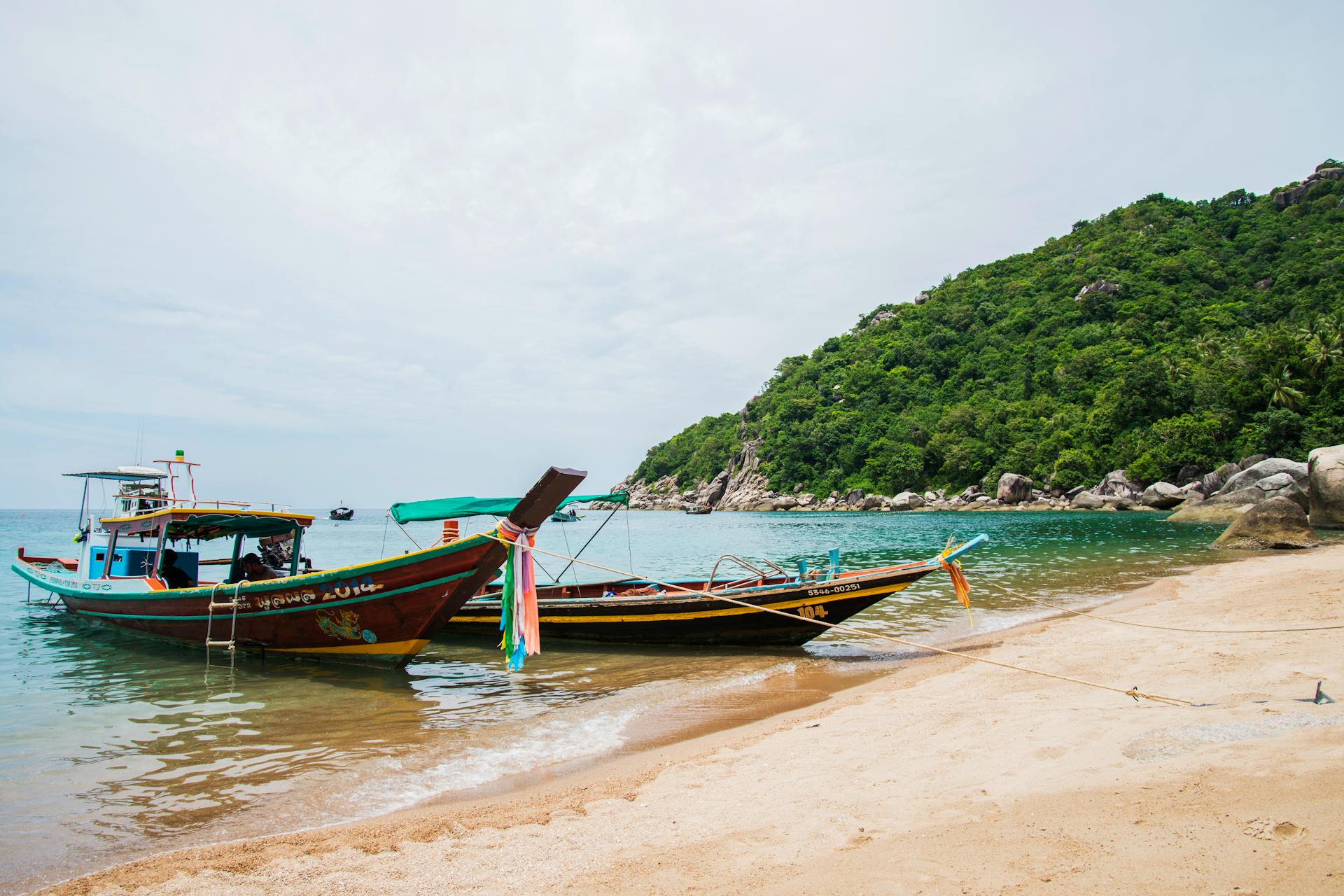
Spend the day on the water among the limestone cliffs, snorkeling and beach-hopping by longtail or speedboat. Two things to manage: sun and motion. Reef-safe sunscreen, a rash guard, and a hat handle the first. For the second, boat travel on choppy Andaman water triggers motion sickness in a fair number of people, so if you know you are prone to it, sort out a plan before you board rather than once you are green at the gills.
Day 7: Slow beach morning, fly home
Keep the last day gentle: a final swim, an easy breakfast, and a transfer to Krabi airport. If a stomach bug appeared in the final days, most mild cases are managed with fluids, rest, and oral rehydration salts. Knowing in advance when a stand-by antibiotic is appropriate, and having it with you, means a bad day does not become a ruined flight home.
Health prep for this trip
Thailand is a moderate-risk destination where preparation matters more than worry. Two health themes shape this trip: mosquito-borne illness, chiefly dengue, and food-and-water illness, chiefly traveler's diarrhea. Build your prep around those.
On vaccines, the CDC commonly recommends that travelers to Thailand be current on routine vaccines and add hepatitis A and typhoid, with hepatitis B and Japanese encephalitis considered based on your activities and length of stay. Start this 4 to 6 weeks before departure, because some vaccines need time to take effect. You can review the country picture on the Thailand destination guide and confirm specifics with a provider.
On traveler's diarrhea, the CDC estimates it affects 30 to 70 percent of international travelers depending on destination and season, which makes it the single most likely illness on this trip. Prevention is food and water discipline. Treatment, when a case is moderate to severe, is where Thailand differs from many destinations: fluoroquinolone-resistant Campylobacter is widespread across Southeast Asia, so the CDC favors azithromycin over ciprofloxacin for empiric treatment here. Wandr's approach is azithromycin 500 mg once daily for 3 days for moderate to severe traveler's diarrhea, paired with oral rehydration. For the cramping that often comes with it, an antispasmodic such as dicyclomine can help, and it is worth discussing with your provider which combination fits you.
On mosquitoes, there is no medication that prevents dengue, and the vaccine is generally limited to people with a confirmed prior infection, so protection means daytime repellent, covering up where practical, and air-conditioned or screened rooms. For most travelers on this Bangkok, Chiang Mai, and Krabi route the CDC does not recommend antimalarial pills, because malaria risk sits in rural border forests rather than the cities and main beaches. You can bundle the traveler's diarrhea kit and a mosquito plan through the Thailand beach and temple travel-medicine review.
What to pack
A compact health kit covers most of what this trip throws at you. Bring an EPA-registered insect repellent (DEET or picaridin), reef-safe sunscreen and a hat, oral rehydration salts, a basic wound and blister kit, hand sanitizer, and any stand-by prescriptions your provider approves, kept in original labeling. Light, breathable clothing that also covers arms and legs at dawn and dusk does double duty against sun and mosquitoes. Add a refillable water bottle with a filter if you want to cut down on single-use plastic while still avoiding tap water.
Best time to go and what to avoid
Thailand's seasons matter for both comfort and health. The cool, dry season from November to February is the most comfortable window and overlaps with lower dengue transmission. The hot season runs roughly March to May, and the rainy season from May to October brings the heaviest mosquito activity. Dengue cases concentrate in the rainy months, with peaks reported around June to August in much of the country and a longer transmission window in the south, where one southern province sees dengue from April through October.
None of this means avoiding the rainy season outright. Plenty of travelers visit then and do fine. It means that if you go in the wet months, your mosquito protection moves from optional to essential, and you weight your planning toward screened rooms and daytime repellent.
Cost expectations
Thailand stretches comfortably across budgets, so this itinerary is built around health and routing rather than price. A mid-range traveler typically plans for two domestic flights, mid-tier hotels, food, and a handful of guided activities, while the same route can be done for noticeably less on a backpacker budget or considerably more with upscale resorts. Treat cost as a rough planning input and let the health timing, not the price, decide your season.
Day-by-day plan
| Day | What you're doing | Health note |
|---|---|---|
| 1 | Arrive Bangkok, settle and rehydrate Land at Suvarnabhumi, check into a riverside or Sukhumvit base, ease into the city with a light evening. | Tap water is not safe to drink. Start with sealed bottled water from day one and apply a daytime repellent if you are out near dusk. |
| 2 | Bangkok temples and street food, done carefully Grand Palace, Wat Pho, and Wat Arun by river ferry, then an evening food market. | Choose stalls cooking to order over pre-plated food. Cooked-hot-and-fresh is the single best way to lower traveler's diarrhea risk. |
| 3 | Fly to Chiang Mai, old city orientation Short morning flight north, afternoon wandering the moated old town and its temples. | Northern Thailand is cooler but still a dengue area. Keep using repellent during the day, when the Aedes mosquito bites. |
| 4 | Chiang Mai temples, markets, and ethical elephant care Doi Suthep in the morning, a reputable elephant sanctuary or cooking class in the afternoon. | If you take a cooking class, it is a good moment to practice the food-safety habits that protect you for the rest of the trip. |
| 5 | Fly south to Krabi, transition to the coast Travel day to the Andaman coast, check into Ao Nang or a nearby beach. | Heat and sun exposure climb on the coast. Hydrate deliberately and watch for early signs of heat strain on active days. |
| 6 | Island hopping: Railay and the Phi Phi area Longtail or speedboat day among limestone cliffs and snorkel stops. | Boat days can trigger motion sickness. If you are prone to it, plan ahead with your provider rather than improvising on the water. |
| 7 | Slow beach morning, fly home Final swim, easy breakfast, transfer to Krabi airport for the connection home. | If diarrhea starts in the final days, mild cases are managed with fluids and rest; know when stand-by antibiotics are appropriate. |
Frequently Asked Questions
For most travelers on this mainstream route, the CDC does not recommend antimalarial pills, because the major cities and tourist areas carry little to no malaria risk. Malaria risk in Thailand is concentrated in rural and forested border zones. If your plans include those areas, talk to a provider, since the recommendation can change with your exact itinerary.
Dengue is present year-round but transmission climbs in the rainy season, with cases concentrated roughly June through August across much of the country and a longer window in the south. Thailand reports tens of thousands of dengue cases in a typical year per its Ministry of Public Health, with the total varying widely season to season. Because there is no medication that prevents dengue, daytime mosquito protection is the core defense whenever you travel.
Because fluoroquinolone-resistant Campylobacter is widespread in Southeast Asia, the CDC favors azithromycin over ciprofloxacin for empiric treatment in this region. Wandr's approach is azithromycin 500 mg once daily for 3 days for moderate to severe cases. Most mild cases settle with fluids and rest. Speak with a provider about a stand-by prescription before you go.
Thai street food can be excellent and reasonably safe when you choose stalls that cook food to order and serve it hot. The higher-risk items are pre-plated dishes sitting at room temperature, raw or undercooked seafood, unpeeled raw produce, and tap water or ice of uncertain source. Stick to sealed bottled water and busy stalls with high turnover.
The dengue vaccine is generally reserved for people with a confirmed prior dengue infection, because of how the vaccine behaves in people who have never had dengue. Most first-time travelers will not be candidates. Daytime repellent, and covering up at dawn and dusk, remain the recommended protection for travelers. Discuss your history with a provider.
The CDC commonly recommends being up to date on routine vaccines plus hepatitis A and typhoid for most travelers to Thailand, with hepatitis B and Japanese encephalitis considered based on activities and length of stay. Confirm timing early, since some vaccines need a few weeks to take full effect.
Island-hopping days use longtail boats and speedboats that can be choppy, and motion sickness is common on the water. If you are prone to it, plan ahead with a provider rather than waiting until you feel unwell, and sit midship with your eyes on the horizon. Wandr's travel-medicine review can help you decide whether to carry a motion-sickness option.
Thailand spans budget and comfort travel well. A mid-range traveler often plans for mid-tier hotels, two domestic flights, food, and a few guided activities, while the trip can be done for considerably less or more depending on style. This itinerary is built around health and routing, not budget optimization, so treat cost as a rough planning input.
The Wandr Team is the editorial group at Wandr Health; every article is reviewed by a licensed clinician before publication.