
The 9-Day Mexico Itinerary: The Health-Smart Version
This 9-day route pairs Mexico City with the Yucatán Peninsula: three nights in CDMX for the historic center and Teotihuacan, then a flight east to Mérida, Chichén Itzá, and the Tulum coast. The health factor that shapes the plan is the gut, not altitude. Travelers' diarrhea frequently affects visitors to Mexico, so an azithromycin-based plan plus oral rehydration matters more than anything else you pack. Dengue is endemic across central and southern Mexico with peak transmission May through November, per CDC, and the Yucatán reports the country's highest case counts, so daytime mosquito protection belongs on the coast. As a PA-C, I would treat food-and-water discipline and bite prevention as the two pillars of this trip.
Mexico rewards travelers who plan around two things most itineraries ignore: what you eat and what bites you. This 9-day route runs from the highland capital to the Caribbean coast, and the health story changes as you go. In Mexico City the question is pacing at mild altitude. The moment you fly east into the Yucatán, the priorities become the gut and the mosquito. I built this as a PA-C who has treated plenty of returning travelers, and the through-line is simple: protect your fluids and your skin, and the rest of the trip opens up.
Who this itinerary is for
This is a cultural trip with comfortable logistics, good for first-timers to Mexico and for returning travelers who want the classic capital-plus-Yucatán arc without rushing. The pace is moderate. You walk a lot in Mexico City, take one flight east, and then move between Mérida, Chichén Itzá, and the Tulum coast by road. No technical hiking, no serious altitude.
If you are sensitive to heat, weight the second half carefully. The Yucatán is hot and humid most of the year, and midday at the ruins is the single most physically demanding stretch on this route. Travelers with heart or lung conditions should clear Mexico City's elevation with a provider first, though for most people it is a mild adjustment rather than a real altitude risk.
It also suits travelers who like to eat their way through a place. Mexico City and the Yucatán are two of the most rewarding food regions in the country, and this itinerary leans into markets, street stalls, and regional cooking rather than avoiding them. The point of a health-smart plan is not to eat timidly. It is to know which choices carry risk so you can enjoy the rest without second-guessing every taco.
The route
The logic is highland first, coast second. You start in Mexico City at about 2,240 m (7,350 ft), which gives you cooler air and a dense, walkable historic core before the heat. Three nights there cover the Centro Histórico, a day trip to the Teotihuacan pyramids, and the museums and neighborhoods that make CDMX one of the great city stays in the Americas.
On day four you fly roughly two hours east to Mérida, the colonial capital of the Yucatán. From here the trip becomes a road journey across the peninsula: Mérida and the Puuc-route ruins, then Chichén Itzá and the town of Valladolid, then down to Tulum and the Riviera Maya coast. You finish at Cancún airport, which keeps your final transfer short.
This sequence also tracks the health gradient. The dry, mild-altitude capital carries almost no mosquito risk, while the warm, low coast is where dengue precautions and heat management matter. Going highland to coast lets you build food-and-water habits in a lower-risk environment before you reach the part of the trip where they count most.
Day-by-day plan
Day 1: Arrive Mexico City
Land at MEX and settle into Roma or Condesa, the leafy, walkable neighborhoods that make a soft landing. Mexico City sits at about 2,240 m (7,350 ft), among the highest large capitals in the world. That is below the altitude-illness threshold for most people, but the smart move on day one is a light dinner, plenty of water, and easy on the mezcal. You will sleep better and start strong.
Day 2: Centro Histórico
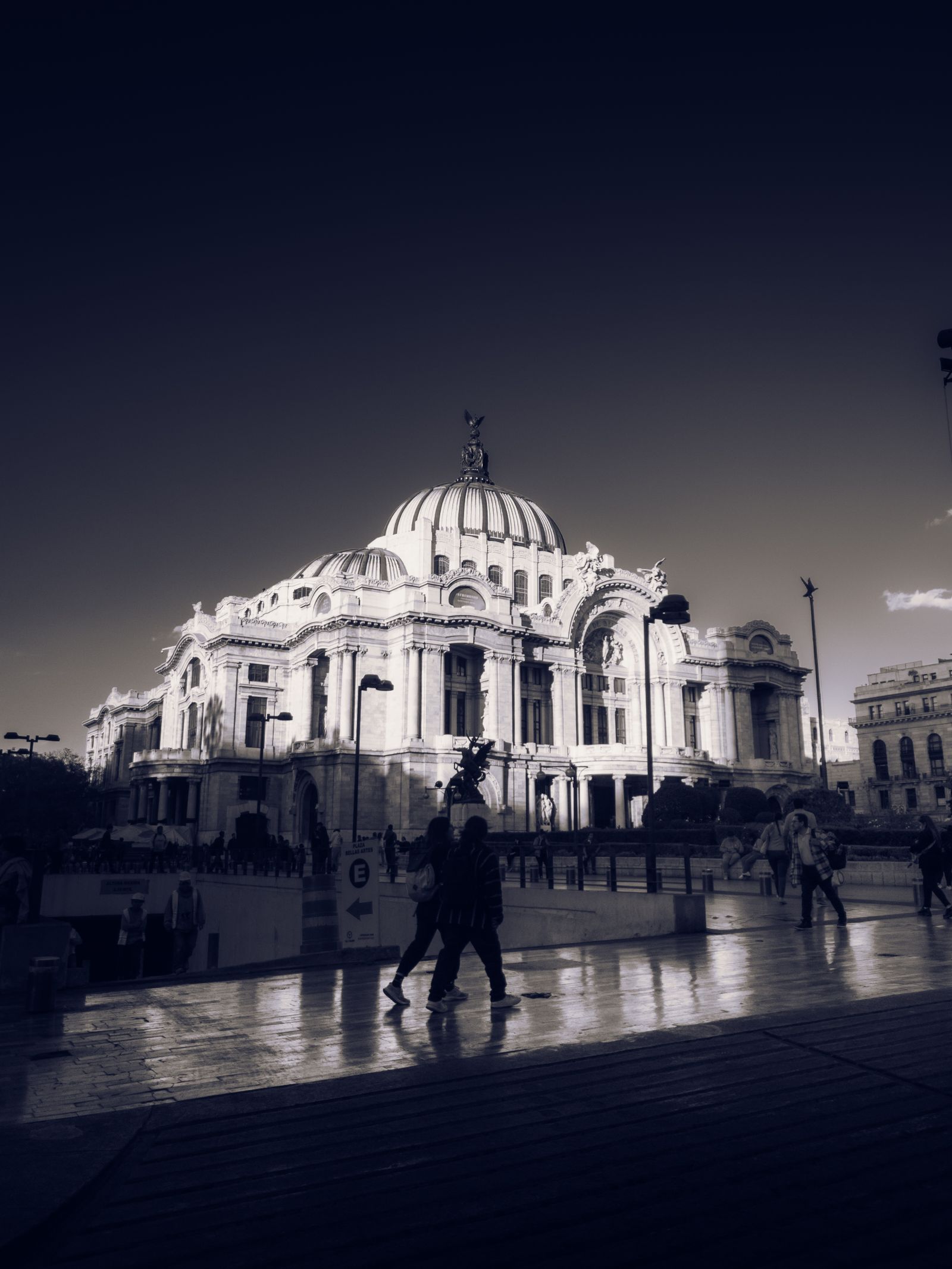
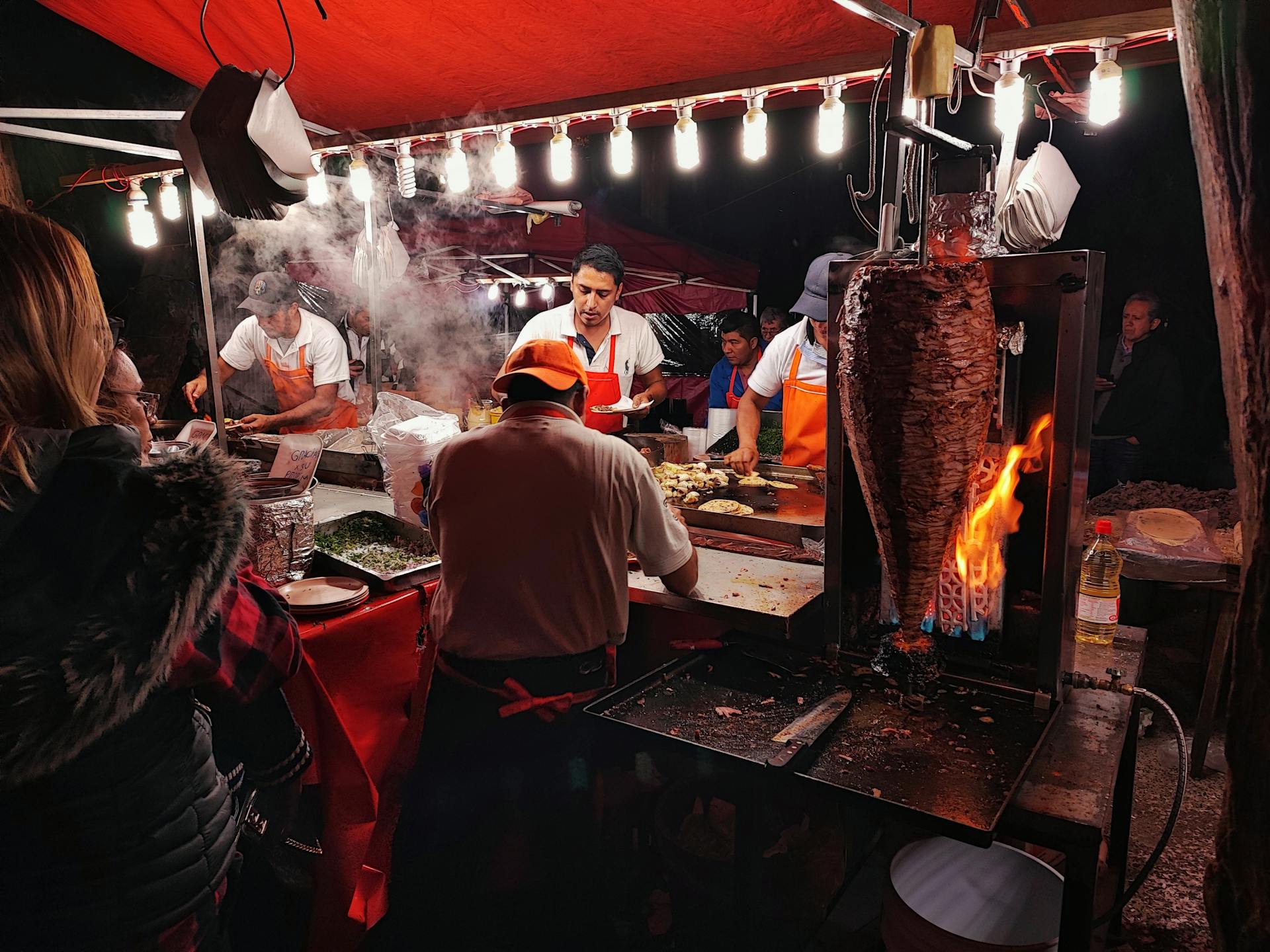
Walk the colonial core: the Zócalo, the Metropolitan Cathedral, the Templo Mayor Aztec ruins, and the Palacio de Bellas Artes. This is your first real eating day, so set the habits now. Choose food that is cooked hot and served steaming, drink bottled or purified water, and be cautious with ice and raw salads. Most travelers who get sick in Mexico trace it to food or water, so a little discipline early pays off. A practical tip: busy stalls with high turnover tend to be safer than quiet ones, because the food is fresher and moves fast. If you want a market lunch, this is a good city to have it, since CDMX carries far less mosquito and lower gut risk than the coast that comes later.
Day 3: Teotihuacan and Coyoacán
Head out early to Teotihuacan to climb among the Pyramids of the Sun and Moon before the sun is high. Bring a hat, water, and electrolytes; the site is exposed and dusty, and you are still at mild altitude. In the afternoon, wind down in Coyoacán with the Frida Kahlo house and a quieter, tree-lined pace.
Day 4: Fly to Mérida
A short flight drops you from highland air into the warm, flat Yucatán. Mérida is safe, walkable, and full of food. This is where dengue prevention begins. Dengue is endemic across central and southern Mexico, per CDC, and the Aedes mosquito that carries it bites during the day, so daytime repellent matters as much as evening cover. Start it now and keep it on through the coastal days.
Day 5: Mérida and the Puuc route
Explore the Plaza Grande and Paseo de Montejo, and if you want more ruins, drive out to Uxmal. The real adversary today is heat, not infection. The Yucatán runs hot and humid most of the year, so pace your midday, drink ahead of thirst, and carry oral rehydration salts. Heat plus a mild gut upset is a fast route to real dehydration, which is the thing you most want to avoid on a trip like this.
Want the health prep for Mexico?
Get a 60-second pre-trip check: the vaccines, prescriptions, and altitude/seasonality notes that change the plan — built for your exact dates.
Day 6: Chichén Itzá and Valladolid
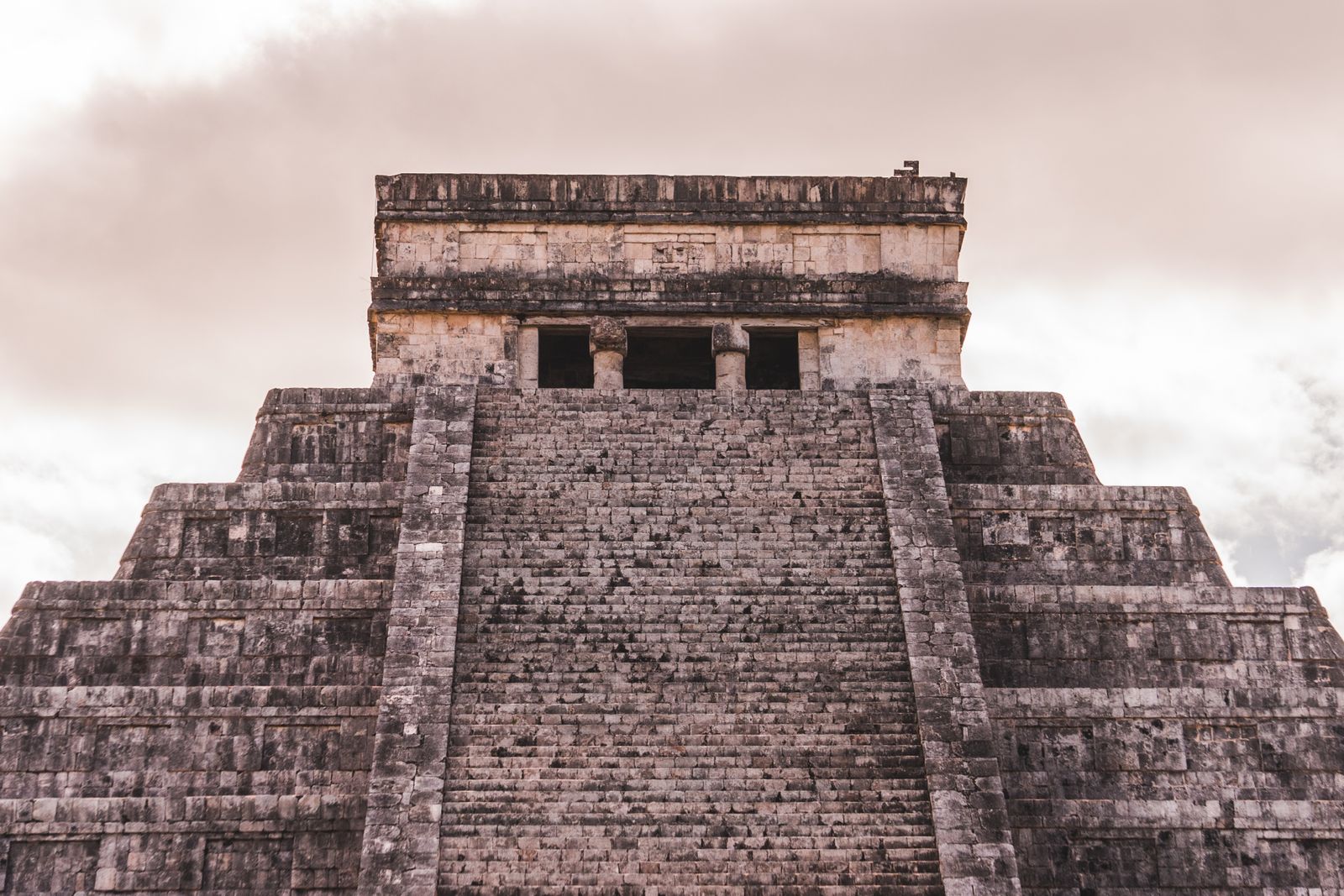
Get to Chichén Itzá at opening. El Castillo and the great ball court are extraordinary, and arriving early means cooler air and thinner crowds. Cool off afterward in one of the region's cenotes, then overnight in the colorful colonial town of Valladolid. The health priority all day is heat management: shade, water, and electrolytes beat any other intervention here.
Day 7: On to Tulum
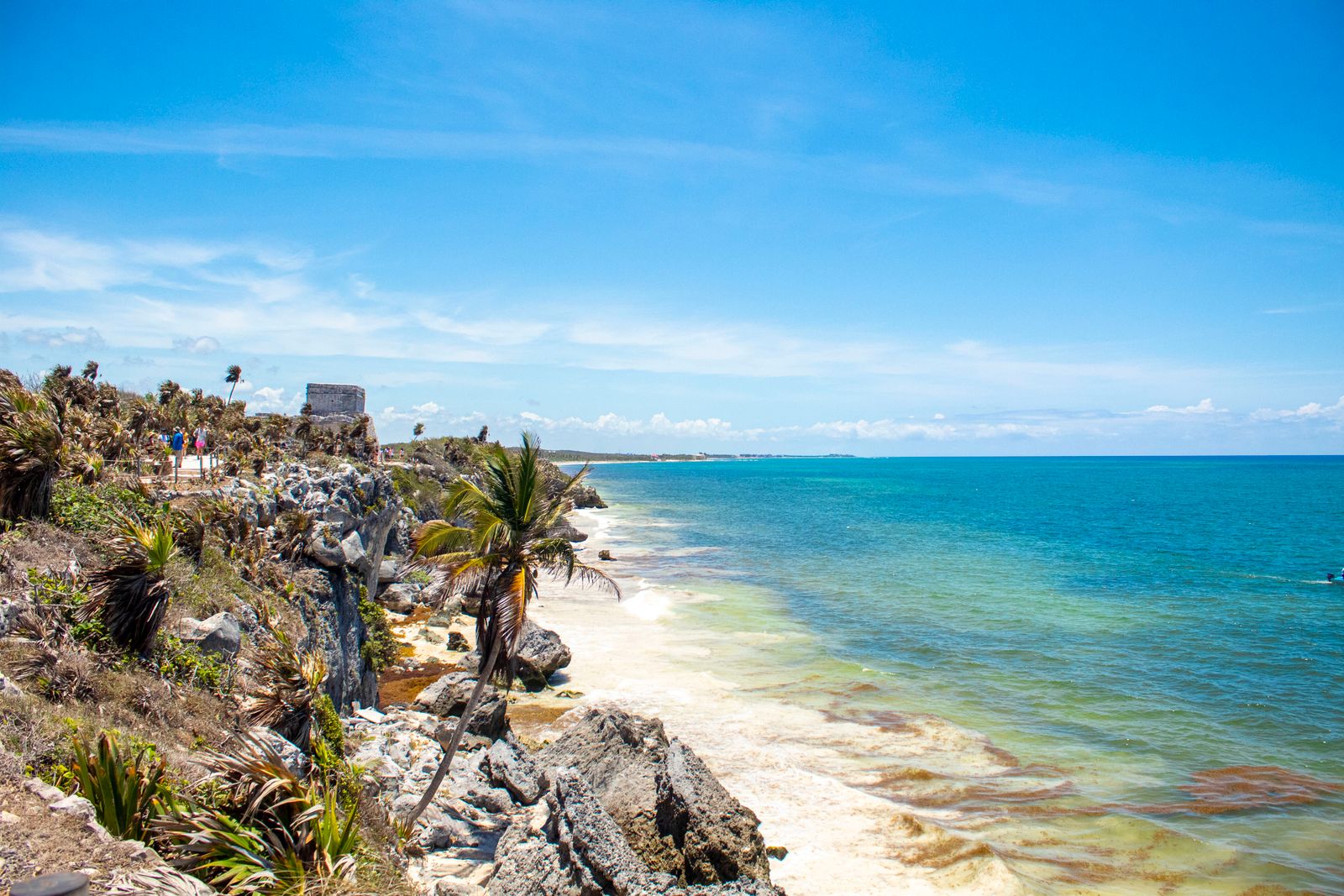
Transfer to the coast and visit the Tulum ruins, the only major Maya site perched above a Caribbean beach. Settle into Tulum town or the Riviera Maya. Coastal dengue risk is highest in the rainy season, so keep repellent on through open-air dinners and choose screened or air-conditioned rooms when you can.
Day 8: Cenotes and the beach
Spend the morning at a cenote such as Gran Cenote or Dos Ojos, then take a slow Caribbean beach afternoon. Rinse off after swimming, mind your sun exposure on the water, and stay on bottled water even at resorts. This is your built-in recovery day; if a gut bug has surfaced, this is the time to rest and rehydrate.
Day 9: Depart from Cancún
Transfer up the coast to Cancún airport and fly home. If symptoms started in the last day or two, lead with fluids; a standby antibiotic plan is for moderate to severe cases, not the first loose stool.
Health prep for this trip
The center of gravity for Mexico is the digestive system. Travelers' diarrhea frequently affects visitors, per CDC, and most cases are mild and self-limited. The plan that works is layered: hydrate aggressively with oral rehydration salts, use dicyclomine for cramping, and reserve an azithromycin course for moderate to severe illness. Wandr does azithromycin 500 mg once daily for three days for travelers' diarrhea; talk with a provider about whether a standby prescription fits you. You can see the full kit on the Mexico City and Yucatán bundle page.
For vaccines, CDC generally recommends being current on routine immunizations including MMR, plus hepatitis A for most travelers and typhoid, especially if you will eat widely or visit smaller towns. Yellow fever vaccination is not required for Mexico. See the broader picture on the Mexico destination guide, and book any vaccines four to six weeks out so they have time to work.
For dengue, prevention is the whole game, since there is no broadly recommended traveler vaccine. Use a daytime repellent, cover up at dawn and dusk, and favor screened or air-conditioned lodging on the coast. Most travelers should treat bite prevention in the Yucatán as seriously as food safety. If you develop a high fever with body aches in the days after the trip, mention your Mexico travel to a clinician, since dengue can present after you return home and is worth ruling out rather than assuming a routine flu.
What to pack
Build the kit around the two pillars. For the gut: oral rehydration salts, dicyclomine for cramps, and a standby azithromycin plan if your provider agrees. For bites and sun: a daytime insect repellent, high-SPF sunscreen, a wide-brim hat, and light long sleeves for dawn and dusk. Add your routine medicines, a basic first-aid set, and a refillable water bottle with purification if you want to cut plastic. Skip anything altitude-specific; this route stays below the threshold where those medicines help.
Best time to go and what to avoid
The drier, cooler window from November to April is generally the strongest time to run this route. It eases the Yucatán heat and tends to fall outside the May to November dengue peak that CDC describes for central and southern Mexico. The trade-off is crowds and higher prices around the winter holidays and spring break.
If your dates land in the rainy season, the trip is still very doable. Just lean harder on repellent, screened rooms, and midday pacing.
Cost expectations
Mexico spans budgets well. Mexico City offers excellent value on food and lodging, while Tulum and the Riviera Maya skew pricier, especially in high season. A mid-range version of this 9-day route, with comfortable hotels, the internal flight, private or shared ground transfers, and site entries, lands in a moderate range for most travelers, with room to go higher on the coast. The internal CDMX to Mérida flight is the one fixed cost worth booking early, since fares climb in high season. Ground transfers across the Yucatán are reasonable, and shared shuttles or a rental car both work for the Chichén Itzá to Tulum leg.
The smartest spend for your health is small relative to the trip: insect repellent, sunscreen, oral rehydration salts, and a pre-trip provider visit for vaccines and a standby travel-medicine plan. Compared with the cost of cutting a coastal beach day short because of a preventable gut bug or a string of daytime mosquito bites, that prep is the highest-return money on the whole itinerary.
Day-by-day plan
| Day | What you're doing | Health note |
|---|---|---|
| 1 | Arrive Mexico City, settle in Roma or Condesa Land at MEX, check in, walk a leafy neighborhood, eat light your first night. | CDMX sits at about 2,240 m (7,350 ft). That is below the usual altitude-illness threshold, but go easy on alcohol and exertion day one. |
| 2 | Centro Histórico: Zócalo, Templo Mayor, Bellas Artes The colonial core on foot, with the Templo Mayor ruins and the Palacio de Bellas Artes. | Start your food-and-water habits now: bottled or purified water, hot and freshly cooked street food over lukewarm buffets. |
| 3 | Teotihuacan pyramids and Coyoacán Early trip to the Pyramids of the Sun and Moon, afternoon in Frida Kahlo's Coyoacán. | Sun and dust at the pyramids. Hat, water, and electrolytes. The exertion is moderate at mild altitude. |
| 4 | Fly CDMX to Mérida, enter the Yucatán Short flight east, drop from highland air to sea-level heat and humidity in colonial Mérida. | Dengue risk rises here. Begin daytime repellent and cover up at dawn and dusk; the Aedes mosquito bites in daylight. |
| 5 | Mérida and a Puuc-route detour Plaza Grande, Paseo de Montejo, and an optional run out to Uxmal. | Yucatán heat is serious. Pace midday, hydrate ahead of thirst, and keep your oral rehydration salts handy. |
| 6 | Chichén Itzá early, cenote, on to Valladolid Beat the crowds and heat at El Castillo, cool off in a cenote, overnight in Valladolid. | Arrive at opening. Midday sun at the ruins drives heat illness more than any infection on this route. |
| 7 | Transfer to Tulum: ruins above the sea The clifftop Maya ruins, then settle into Tulum or the Riviera Maya. | Coastal dengue season peaks in the rains. Keep repellent on through the evening at open-air dinners. |
| 8 | Cenotes and a slow beach day Gran Cenote or Dos Ojos in the morning, Caribbean beach in the afternoon. | Rinse off after cenotes, watch sun exposure on the water, and stay on bottled water even at resorts. |
| 9 | Depart from Cancún Transfer up the coast to Cancún airport and fly home. | If a gut bug started in the last 48 hours, hydration first; your azithromycin plan is for moderate to severe cases. |
Frequently Asked Questions
Generally no on this route. CDC notes that malaria in Mexico is limited, with prophylaxis recommended only for specific areas such as Campeche, Chiapas, and southern Chihuahua. Mexico City, Mérida, Chichén Itzá, and the Riviera Maya are not on that list. Confirm your exact stops with a provider, since recommendations can change.
It is common enough to plan for. CDC describes travelers' diarrhea as frequently affecting visitors to Mexico, typically after contaminated food or water. Most cases are mild and resolve with hydration. For moderate to severe cases, many providers prescribe azithromycin. Speak with a provider about whether a standby antibiotic is right for you.
Be mosquito-smart, especially in the rainy months. Dengue is endemic across central and southern Mexico with peak transmission May through November, per CDC, and the Yucatán has reported the country's highest case counts. There is no broadly recommended traveler vaccine, so prevention means daytime repellent, since the Aedes mosquito bites in daylight, plus covering up and air-conditioned or screened rooms.
For most travelers it is mild. Mexico City sits at about 2,240 m (7,350 ft), below the roughly 2,500 m where altitude illness typically begins. You may feel short of breath or tired the first day. Hydrate, limit alcohol, and ease into activity. People with heart or lung conditions should ask a provider before the trip.
Yes, with judgment. The safest street food is cooked hot and fresh in front of you and served steaming. Higher-risk items include raw salads washed in tap water, lukewarm buffet dishes, unpeeled fruit, and ice from unknown sources. Stick to bottled or purified water. Eating well is part of the trip; the goal is reducing risk, not avoiding the food.
A practical kit centers on the gut: an azithromycin plan for moderate to severe travelers' diarrhea, dicyclomine for cramping, and oral rehydration salts for fluids. Add sunscreen, daytime insect repellent, and your routine medicines. Wandr's Mexico City and Yucatán bundle is built around this profile. Confirm what fits your history with a provider.
November through April is generally the sweet spot. It is drier, the Yucatán heat is more manageable, and dengue transmission tends to ease outside the May to November peak. The trade-off is higher prices and crowds around the winter holidays and spring break. The shoulder months of November and April often balance weather, cost, and lower mosquito risk.
CDC commonly recommends being up to date on routine vaccines, including MMR, plus hepatitis A for most travelers and typhoid, especially if you will visit smaller cities or rural areas or eat widely. Yellow fever vaccination is not required for Mexico. See a provider four to six weeks ahead so any series has time to take effect.
Mark Karam, PA-C is a board-certified Physician Associate with emergency and urgent care experience and co-founder of Wandr Health.