
The 10-Day Sri Lanka Itinerary: The Health-Smart Version
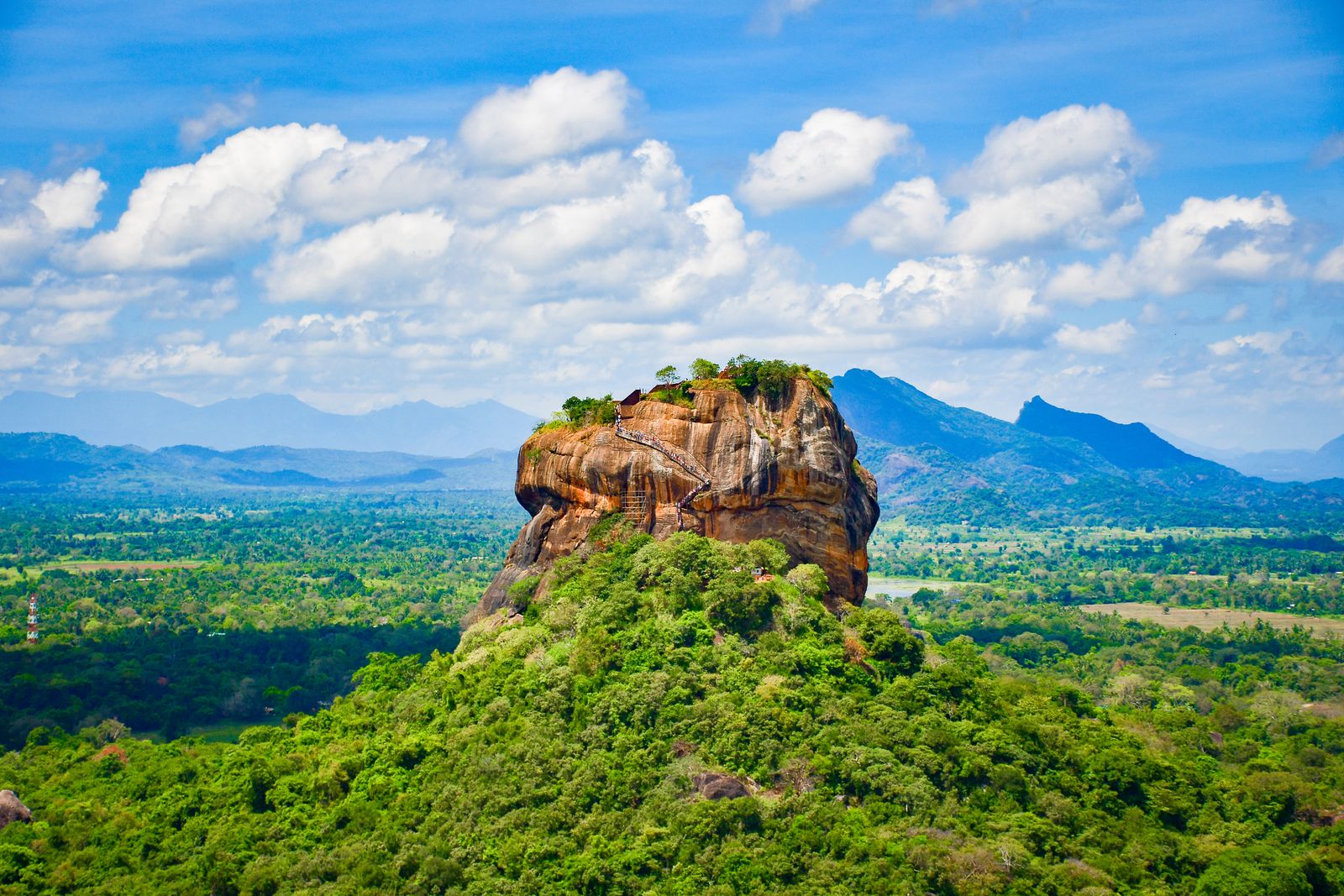
Sri Lanka packs ancient rock fortresses, hill-country tea trains, and southern surf beaches into one compact island, and the smart 10-day route runs north to south: the Cultural Triangle, Kandy, the Ella tea highlands, then the south coast. The health factor that should shape your plan is dengue, which is widespread in the wet lowlands around Colombo. The CDC notes Sri Lanka recorded more than 13,000 dengue cases in the first two months of 2026 alone. Most travelers should aim for the December to March dry window, use daytime mosquito protection, and carry a traveler's diarrhea plan. As a Wandr co-founder and ER physician, I would pack azithromycin and start the Sigiriya climb at dawn to beat the heat.
Sri Lanka rewards travelers who plan around its weather and its bugs, not just its sights. As an ER physician who treats returning travelers, the pattern I see from this island is predictable: stomach trouble from food and water, and the occasional dengue case picked up in the humid lowlands. The good news is that both are largely manageable with timing and a small kit. Structure the trip north to south, lean into the dry season, protect against daytime mosquito bites, and carry a traveler's diarrhea plan, and you free yourself to enjoy the rock fortresses, tea trains, and beaches that make this island special.
What makes Sri Lanka so manageable is its scale. The whole island is smaller than many single regions travelers tackle elsewhere, so you can move from ancient lowland cities to cold tea highlands to warm surf beaches in a single relaxed loop. That compactness is also why getting the sequence right matters: the same short distances that make the trip easy will send you bouncing between climate and risk zones if you plan them out of order.
Who this itinerary is for
This 10-day route suits first-time visitors who want the headline experiences without backtracking: the Cultural Triangle, a hill-country tea train, and a stretch of southern beach. It moves at a comfortable cultural pace with a few early mornings and one or two longer drives, rather than a hard trekking schedule. Average road speeds of 30 to 40 km/h mean transfers take longer than the map suggests, so the plan keeps driving days reasonable.
You do not need to be especially fit, but you should be comfortable on stairs for the Sigiriya climb and on your feet for ancient-city walks. The health profile here is lowland tropical: heat, food and water hygiene, and daytime-biting mosquitoes. There is no meaningful altitude on this route, so altitude medication is not part of the plan.
The route
The logic is simple: start in the lowland Cultural Triangle, climb into the cool central highlands, then descend to the south coast, ending near Colombo for an easy departure. This avoids doubling back and matches the natural geography of the island.
From the airport you head inland to the Sigiriya and Dambulla area, the heart of the ancient cities, then move south to Kandy, the cultural capital at roughly 500 m. From Kandy you ride the celebrated hill-country railway, which the train climbs from about 500 m at Kandy station to 1,613 m at Nanu Oya and tops out near Pattipola before reaching Ella at 1,041 m. After the highlands you drop to the south coast for beaches, whales in season, and the colonial walls of Galle Fort, then run the southern expressway back to Colombo.
Health shapes this sequence. The hills are cooler and drier, with lower mosquito pressure, so they make a welcome midpoint break from the humid lowlands where dengue risk concentrates. Building the route this way is not just scenic logic, it is risk logic.
Day-by-day plan
Day 1: Arrive Colombo, recover near the coast
Land at Bandaranaike International and settle in nearby Negombo or central Colombo. Use the first evening to rehydrate and reset rather than rush out. The wet lowlands around Colombo carry the island's highest dengue risk, so start applying a daytime repellent the moment you arrive. The mosquito that spreads dengue bites mostly in daylight, which catches many travelers off guard.
Day 2: Drive to the Cultural Triangle
Transfer roughly 3.5 to 4 hours inland to your Sigiriya base. With roads averaging 30 to 40 km/h, plan a water and snack stop, and bring motion-sickness comfort for the winding stretches. Arrive in time to settle before an early start tomorrow.
Day 3: Sigiriya Lion Rock and Dambulla
Climb the roughly 180 m granite Sigiriya rock fortress, a UNESCO World Heritage Site, at opening time to beat the midday heat. The challenge here is heat and stairs, not altitude, so carry water and pace yourself. In the afternoon, the cool interiors of the Dambulla cave temples are a gentler counterpoint.
Day 4: Polonnaruwa or a Minneriya safari
Cycle the well-preserved ruins of Polonnaruwa, or take an afternoon jeep safari in Minneriya or Kaudulla for a chance at wild elephants, which gather in large numbers near the reservoirs in the drier months. If you safari at dusk, cover your arms and legs and apply repellent, since dawn and dusk are peak biting windows for several mosquito species. Bring sun protection regardless, because the open jeeps offer little shade during the hottest part of the afternoon.
Day 5: Transfer to Kandy
Drive about 2.5 to 3 hours south to Kandy, home of the Temple of the Sacred Tooth Relic. Kandy sits at roughly 500 m, noticeably cooler and drier than the coast, which eases mosquito pressure. Walk the lake in the evening and turn in early before the train day.
Want the health prep for Sri Lanka?
Get a 60-second pre-trip check: the vaccines, prescriptions, and altitude/seasonality notes that change the plan — built for your exact dates.
Day 6: Into the tea highlands by train
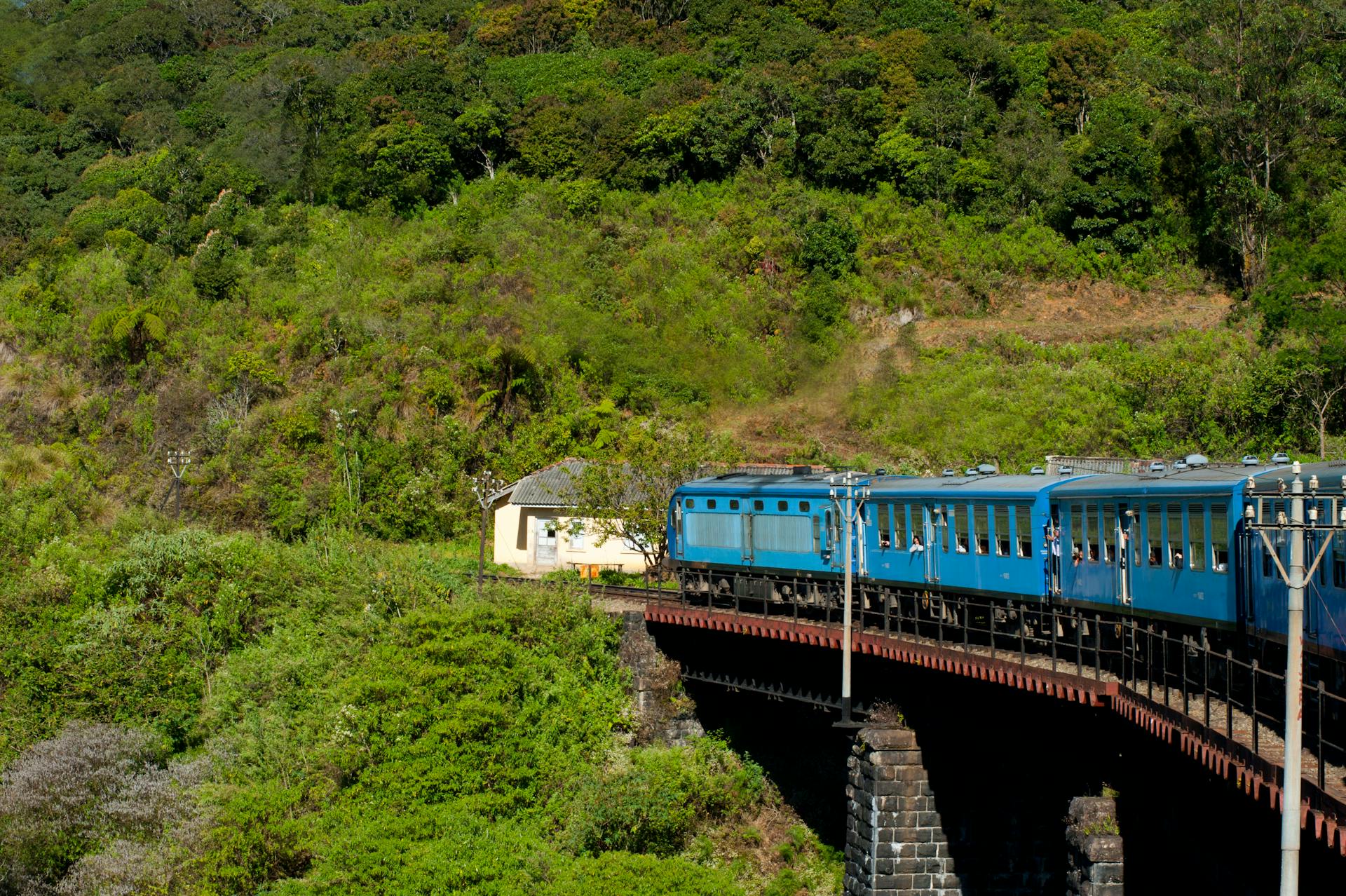
Ride the hill-country railway from Kandy up toward Nanu Oya, the disembarkation point for Nuwara Eliya. The line climbs through tea estates to about 1,613 m, where evenings are genuinely cold, so pack a warm layer. A tea-estate visit caps the day.
Day 7: Ella, Nine Arch Bridge, Little Adam's Peak
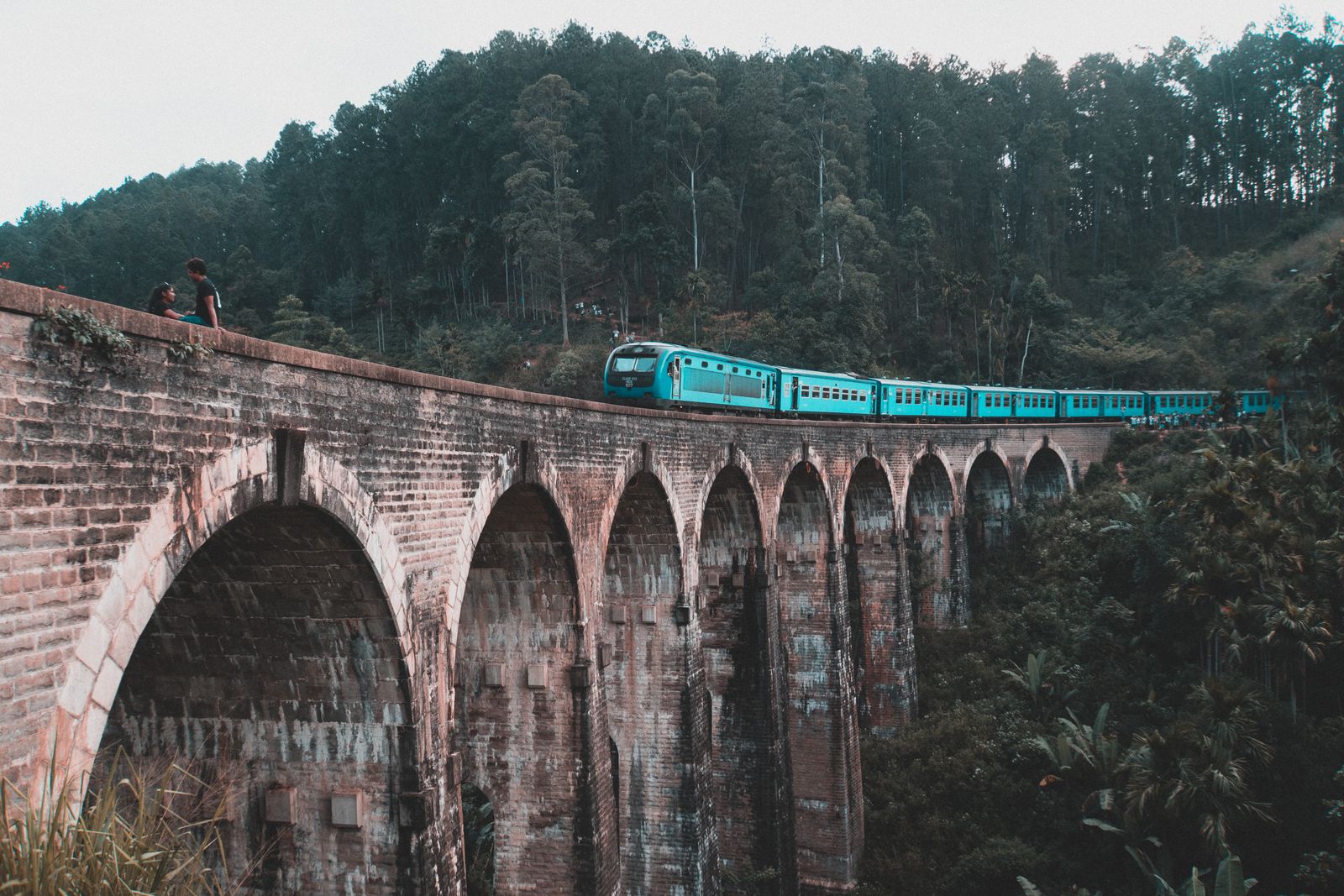
Continue to Ella at 1,041 m. Photograph the Nine Arch Bridge, completed in 1921 and built from brick and cement without steel, then hike the short Little Adam's Peak trail. Ella is far below any altitude-sickness threshold, so no acetazolamide is needed on this route. Enjoy the cool, clear air.
Day 8: Descend to the south coast
Drive roughly 4 to 5 hours from the hills down to the Mirissa or Tangalle beach belt. As you drop back into warm, humid lowlands, resume disciplined daytime repellent use, since you are re-entering higher dengue territory.
Day 9: South coast and Galle Fort
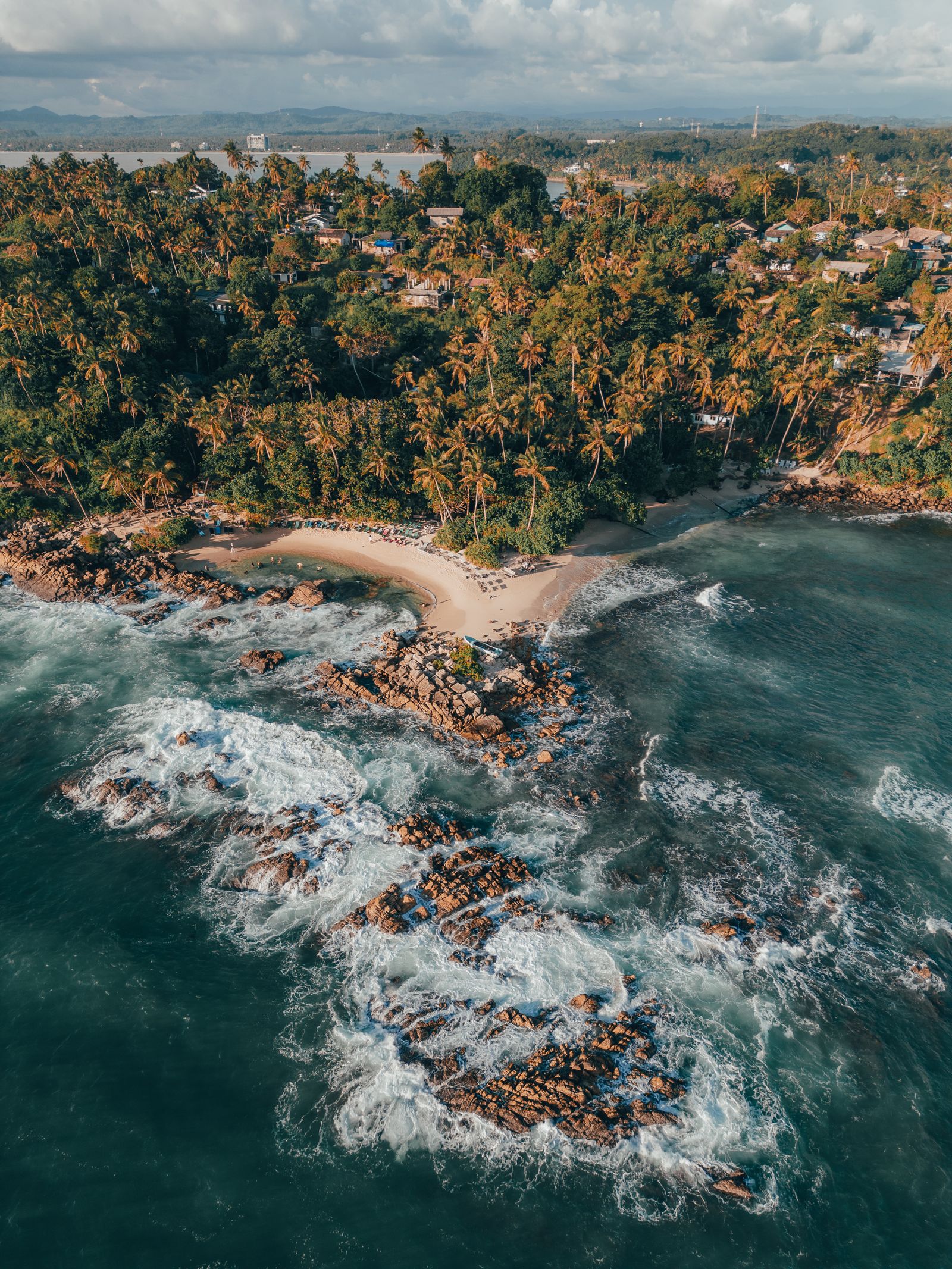
Relax on the south coast, take a seasonal whale-watching boat from Mirissa, and explore the ramparts of Galle Fort. Blue whales and sperm whales pass this coast mainly between roughly November and April, which lines up neatly with the dry-season timing of this route. On boat days, take any motion-sickness precaution before you board rather than after symptoms start, since calm-looking harbors can give way to real swell offshore. Keep eating freshly cooked food and drinking sealed water, and rinse off and dry well after swimming to head off the minor skin and ear irritations that warm tropical water can bring.
Day 10: Coast to Colombo and departure
Run the southern expressway about 2 to 3 hours back to Colombo for your flight. If a fever develops within two weeks of leaving, tell a clinician you were in Sri Lanka so dengue is considered.
Health prep for this trip
Start with vaccines. The CDC and most travel clinics currently recommend hepatitis A and typhoid for nearly all travelers to Sri Lanka because of food and water exposure, and Japanese encephalitis may be advised for longer rural or agricultural stays. Rabies pre-exposure shots are worth discussing if you will be around animals or far from care. See a travel clinician about six weeks out so there is time for any multi-dose series. You can review country specifics on the Sri Lanka destination guide and start your vaccine planning here.
Next, build a traveler's diarrhea plan, since this is the illness most likely to interrupt your trip. Most travelers should carry a standby course rather than hope to find a pharmacy mid-symptom. Wandr's approach uses azithromycin 500 mg once daily for three days to treat the infection, which is favored over fluoroquinolones given resistance patterns across South Asia, paired with dicyclomine for cramping. You can see the full kit on the Sri Lanka travel-medicine page, and read more about azithromycin and dicyclomine. Start oral rehydration salts at the first loose stool, because fluid loss is what truly knocks people down.
For dengue, there is no preventive pill, so protection is behavioral. Use a daytime repellent, since the dengue mosquito bites in daylight, and favor accommodations with screens or air conditioning. If you develop a high fever, avoid aspirin and ibuprofen until dengue is excluded and use acetaminophen instead, then seek care.
What to pack
A compact health kit covers most of what this trip throws at you: a DEET or picaridin repellent for daytime use, oral rehydration salts, your azithromycin and dicyclomine standby course, acetaminophen for fever, sunscreen and a hat for the Sigiriya climb and beach days, and a light warm layer for cold highland evenings. Add a reusable water bottle with a reliable filter or purification method so you are never tempted by tap water. Modest, shoulder-covering clothing is needed to enter temples such as the Temple of the Tooth.
Best time to go and what to avoid
Sri Lanka has two monsoons, which is why the island confuses first-time planners. The Yala southwest monsoon affects the west and south coasts from roughly May to September, while the Maha northeast monsoon affects the north and east from about October to January. Because this itinerary runs through the west, hills, and south, the December to March dry window is ideal.
Timing is also a health lever. Dengue transmission climbs with the rains, generally peaking around May to July and again near October to December as standing water expands mosquito breeding. Choosing the dry-season months for the wet-zone legs of this trip lowers your exposure on top of giving you better weather.
Cost expectations
Sri Lanka remains relatively affordable by international standards, with a wide range from simple guesthouses to high-end boutique stays. A comfortable mid-range version of this itinerary, with a private driver for the transfers and second-class reserved train seats for the hill-country leg, is a realistic middle path that most travelers find good value. Budget separately for park and site entry fees, which add up across the Cultural Triangle, and for a whale-watching boat if you go in season. The one expense worth not cutting is your health kit and a pre-trip travel-clinic visit, since a single avoided bout of severe traveler's diarrhea or a managed fever pays for itself many times over in days of trip salvaged.
Day-by-day plan
| Day | What you're doing | Health note |
|---|---|---|
| 1 | Arrive Colombo, recover near the coast Land at Bandaranaike International, settle in Negombo or Colombo, and reset after the long flight. | Rehydrate and rest. The wet lowlands carry the highest dengue risk, so start using a daytime repellent on arrival. |
| 2 | Drive to the Cultural Triangle (Sigiriya / Dambulla) Transfer roughly 3.5 to 4 hours inland to the Sigiriya area, your base for the ancient cities. | Roads average 30 to 40 km/h, so build in a snack and water stop. Pack motion-sickness comfort for the winding sections. |
| 3 | Sigiriya Lion Rock and Dambulla cave temples Climb the 180 m granite Sigiriya rock fortress early, then visit the Dambulla cave temple complex. | Start the climb at opening to beat midday heat. Heat exhaustion, not altitude, is the real risk here. |
| 4 | Polonnaruwa ancient city or a Minneriya safari Cycle the ruins of Polonnaruwa, or take an afternoon jeep safari for wild elephants. | Cover up at dusk on safari. Dawn and dusk are peak biting windows for several mosquito species. |
| 5 | Transfer to Kandy and the Temple of the Tooth Drive about 2.5 to 3 hours south to Kandy, visit the Temple of the Sacred Tooth Relic, and walk the lake. | Kandy sits at roughly 500 m and is cooler and drier, which lowers mosquito pressure compared with the coast. |
| 6 | Scenic train into the tea highlands Ride the famous hill-country line from Kandy up to Nanu Oya for Nuwara Eliya, climbing through tea estates. | The line climbs to about 1,613 m at Nanu Oya. Bring a warm layer; highland evenings are genuinely cold. |
| 7 | Train to Ella, Nine Arch Bridge, Little Adam's Peak Continue to Ella at 1,041 m, photograph the 1921 Nine Arch Bridge, and hike Little Adam's Peak. | Ella is well below any altitude-sickness threshold, so no acetazolamide is needed for this route. |
| 8 | Descend to the south coast Drive roughly 4 to 5 hours from the hills down to the Mirissa or Tangalle beach belt. | You are dropping back into warm, humid lowlands. Resume disciplined daytime repellent use. |
| 9 | South coast: beaches, whales, and Galle Fort Relax on the south coast, take a seasonal whale-watching boat from Mirissa, and explore historic Galle Fort. | On boat days, take motion-sickness precautions before you board, not after symptoms start. |
| 10 | Coast to Colombo and departure Drive the southern expressway about 2 to 3 hours back to Colombo for your flight home. | If any fever starts within two weeks of leaving, mention Sri Lanka travel to a clinician so dengue is considered. |
Frequently Asked Questions
For most standard tourist routes, no. The CDC currently lists Sri Lanka as a country with no recommended malaria prophylaxis for travelers, since local transmission has been interrupted and the country was certified malaria-free. The bigger mosquito-borne concern here is dengue, which has no preventive pill, so focus on daytime bite protection and confirm your specific plans with a travel clinician.
Dengue circulates year-round but peaks with the monsoons. Transmission generally rises in two windows, roughly May to July and again around October to December, when standing water multiplies mosquito breeding. The CDC reported more than 13,000 dengue cases in the first two months of 2026, concentrated in the wet Western Province around Colombo. Traveling in the December to March dry window and using repellent through the day both lower your exposure.
For the classic west-and-south route in this itinerary, December to March is the sweet spot, when the southwest monsoon is quiet and the beaches and Cultural Triangle are driest. The island has two monsoons: the Yala southwest monsoon hits the west and south coasts from about May to September, while the Maha northeast monsoon affects the north and east from October to January. Hill-country train views are clearest in February to April and July to November.
Very unlikely. The hill-country line climbs to about 1,613 m at Nanu Oya and tops out near 1,898 m at Pattipola, and Ella sits at 1,041 m. Altitude sickness typically becomes a concern above roughly 2,500 m, so no altitude medication is needed for this route. You may notice cooler temperatures and want a warm layer, but your body will not need acetazolamide here.
Traveler's diarrhea is the most common travel illness on the island, so stick to bottled or treated water, eat freshly cooked hot food, and be cautious with ice, raw produce, and unpasteurized dairy. Despite good precautions, many travelers still get hit, so most should carry a standby plan. Wandr's approach pairs azithromycin to treat the infection with dicyclomine for the cramping. Start oral rehydration salts early, since fluid loss is what actually makes people feel awful.
Beyond your routine vaccines, the CDC and most travel clinics suggest hepatitis A and typhoid for nearly all travelers given food and water exposure. Japanese encephalitis may be recommended if you will spend longer periods in rural or agricultural areas, and rabies pre-exposure shots are worth discussing if you plan to be around animals or far from medical care. Review your exact itinerary with a clinician several weeks before departure.
The main challenge is heat and a long series of stairs up the roughly 180 m rock fortress, not technical difficulty. The real risks are heat exhaustion and dehydration, which is why climbing at opening time and carrying water matters. People with significant fear of heights should know the upper section uses exposed metal staircases. Pace yourself, and if you feel dizzy or stop sweating, get to shade and fluids.
It depends on your sensitivity. The winding drives between the Cultural Triangle, Kandy, and the hills, plus any whale-watching boat from the south coast, can trigger motion sickness in susceptible travelers. If you know you are prone, take a precaution before you set out rather than once symptoms begin. Talk with a clinician about which option fits you, and keep ginger or simple snacks on hand for milder queasiness.
Treat tap water as not safe to drink for travelers. Use sealed bottled water or a reliable filter and purification method, brush your teeth with treated water, and skip ice unless you know it was made from purified water. This single habit removes a large share of traveler's diarrhea and typhoid risk on the island.
Any fever within two weeks of leaving Sri Lanka should be evaluated, and you should tell the clinician where you traveled so dengue and other tropical infections are considered. Dengue can appear several days after a bite. Avoid aspirin and ibuprofen until dengue is ruled out, since they can worsen bleeding risk, and use acetaminophen for fever instead while you seek care.
Alec Freling, MD is a board-certified emergency medicine physician and co-founder of Wandr Health with ER experience treating returning travelers.