
The 5-Day Iguazu Falls Itinerary: The Health-Smart Version
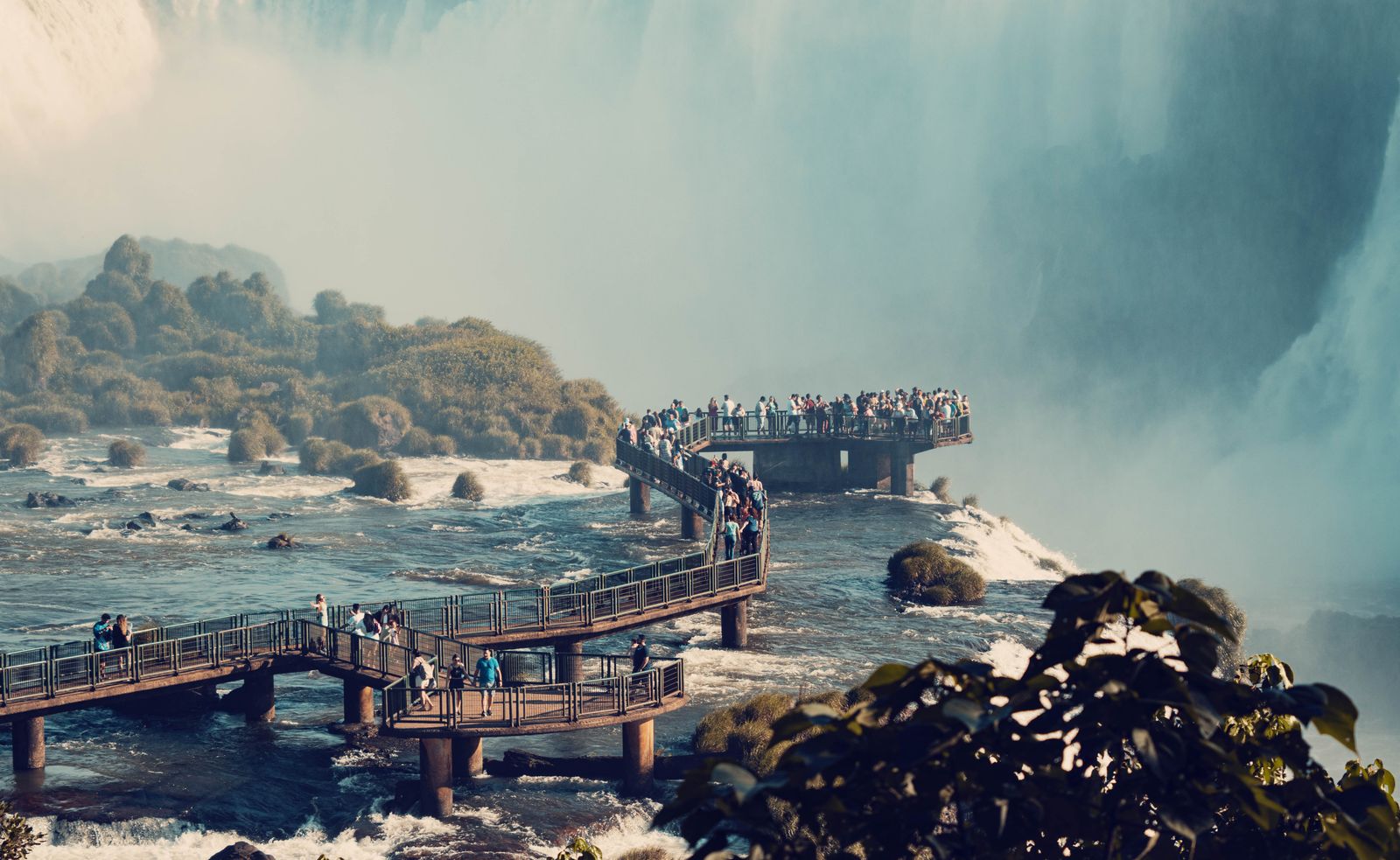
Five days is enough to see Iguazu Falls from both the Brazilian and Argentine sides without rushing: two nights framing the panoramic Brazil boardwalks and the Macuco boat, then the Argentine circuits and the Devil's Throat catwalk, with a buffer day for Itaipu Dam or the bird park. The health factor that changes the plan is timing your yellow fever vaccine: CDC recommends it for Iguaçu Falls and it should be given at least 10 days before travel, so this is not a last-minute trip. As a PA-C, I also plan every Iguazu trip around traveler's diarrhea, which CDC classifies as high-risk across Brazil, and around daytime mosquito bites in a region where dengue circulates.
Iguazu Falls is one of the few trips where the health prep genuinely has to happen before you book anything last-minute. As a PA-C, the first thing I flag for anyone heading here is the yellow fever vaccine, which CDC recommends for the Iguaçu Falls region and which needs about 10 days to take effect. Everything else on this itinerary, seeing both the Brazilian and Argentine sides, riding the Macuco boat into the spray, walking out to the Devil's Throat, is straightforward once that timing is handled and you have a plan for traveler's diarrhea and daytime mosquito bites. This is the version of the itinerary that keeps the falls the main event and the health admin quietly in the background.
Who this itinerary is for
This is built for a first-time visitor who wants both sides of the falls without a punishing pace. The walking is real but not technical, mostly flat boardwalks and steps, so a reasonable level of fitness handles it. The heat and humidity are the harder part, especially in the wetter months.
It also suits travelers who want the health side handled properly rather than improvised. Iguazu sits in a subtropical rainforest belt where yellow fever vaccination is recommended, traveler's diarrhea risk is high, and daytime-biting mosquitoes carry dengue. None of that should stop you. It just means the prep is worth doing deliberately.
Families should note that the yellow fever vaccine is generally recommended from 9 months of age per CDC, and that the boardwalks and boat ride are manageable for older children but involve heat, sun, and long stretches on foot. Travelers who are pregnant, immunocompromised, or over 60 should specifically discuss the yellow fever vaccine with a provider, since the risk-benefit calculation differs and there are situations where a provider may advise against it or issue a waiver. That conversation is worth having several weeks out rather than at the airport.
The route
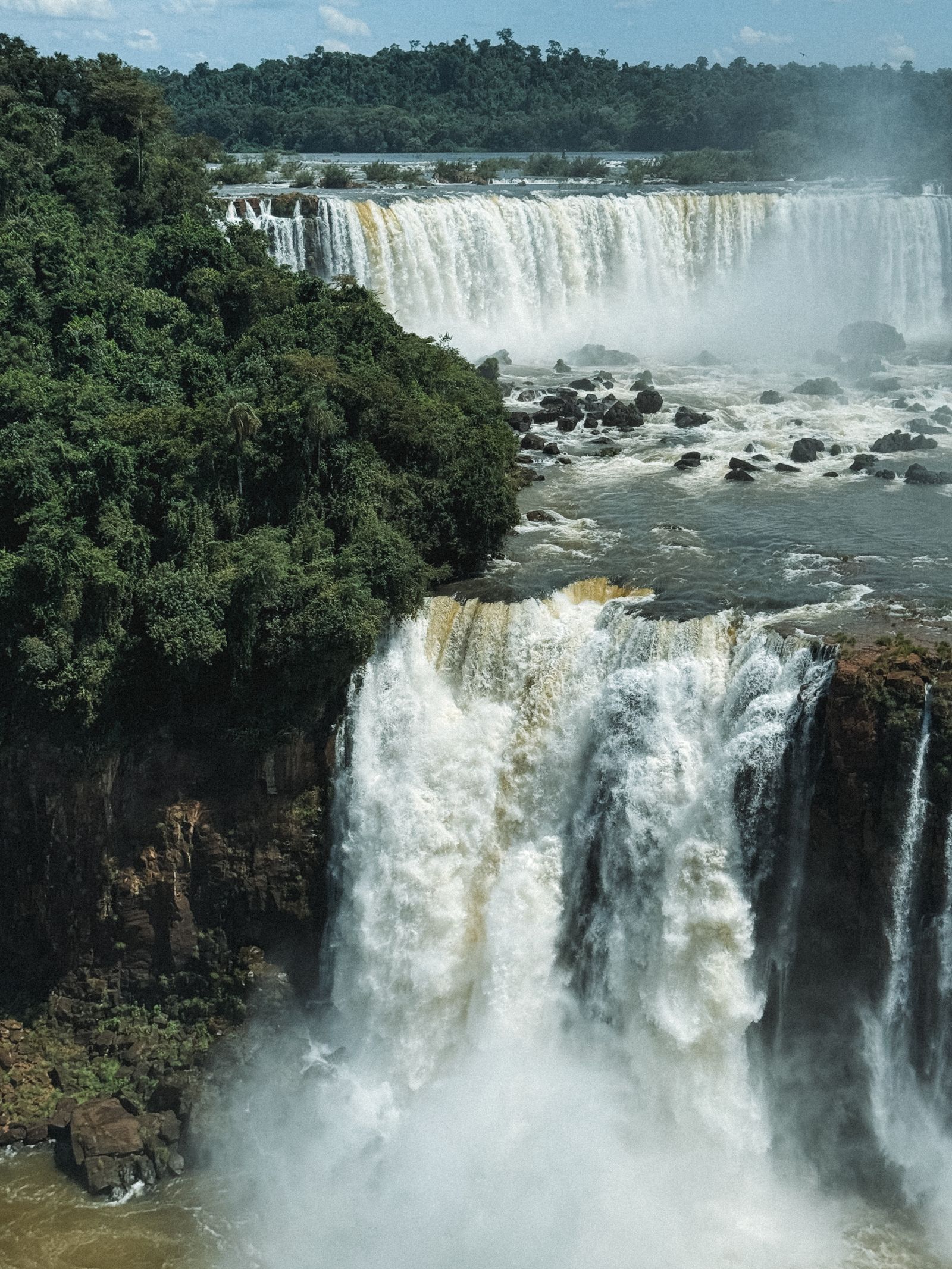
The falls straddle the border between Foz do Iguaçu in Brazil's Paraná state and Puerto Iguazú in Argentina's Misiones province, with Paraguay a short hop away at the triple frontier. Per CDC, the falls range from roughly 64 to 82 meters high, and the dramatic Devil's Throat, a U-shaped chasm, marks the Argentina-Brazil border with most of the individual cascades sitting on the Argentine side.
The practical logic is simple. The Brazilian side gives you the wide, panoramic view and the classic soaking boat ride, and you can cover it well in a day. The Argentine side gives you the up-close circuits and the walk out over the Devil's Throat, and it deserves its own day. Both towns are well developed, close to the park entrances, and have nearby airports, so you can fly into either. Per CDC, travelers can also reach the park through Paraguay by car or bus, though the standard visitor sticks to the Brazil and Argentina sides. This itinerary bases you in Foz do Iguaçu on the Brazilian side and crosses the border for the Argentine day, which is the more common setup for travelers arriving from within Brazil.
The one logistical wrinkle worth planning around is the border crossing itself. Argentina and Brazil are in different time zones for part of the year, and the two parks keep different hours, so build in margin rather than trying to do both sides in a single day. Carry your passport for the crossing and keep your yellow fever card with it. From a health standpoint, the value of splitting the sides across two days is not just comfort, it is pacing: two shorter, well-hydrated days in the heat beat one exhausting marathon that leaves you depleted and more prone to heat and stomach trouble.
Day-by-day plan
Day 1: Arrive Foz do Iguaçu, settle in
Land in Foz do Iguaçu, check in, and keep the first evening easy. If you have followed the prep timeline, your yellow fever vaccine is already done, ideally at least 10 days ago per CDC guidance, so today is about recovering from travel rather than any medical scramble. Start hydrating, and set up your mosquito routine tonight so it is automatic for the rest of the trip. Repellent goes on in the morning, not after the first bite.
Day 2: The Brazilian side and the Macuco boat
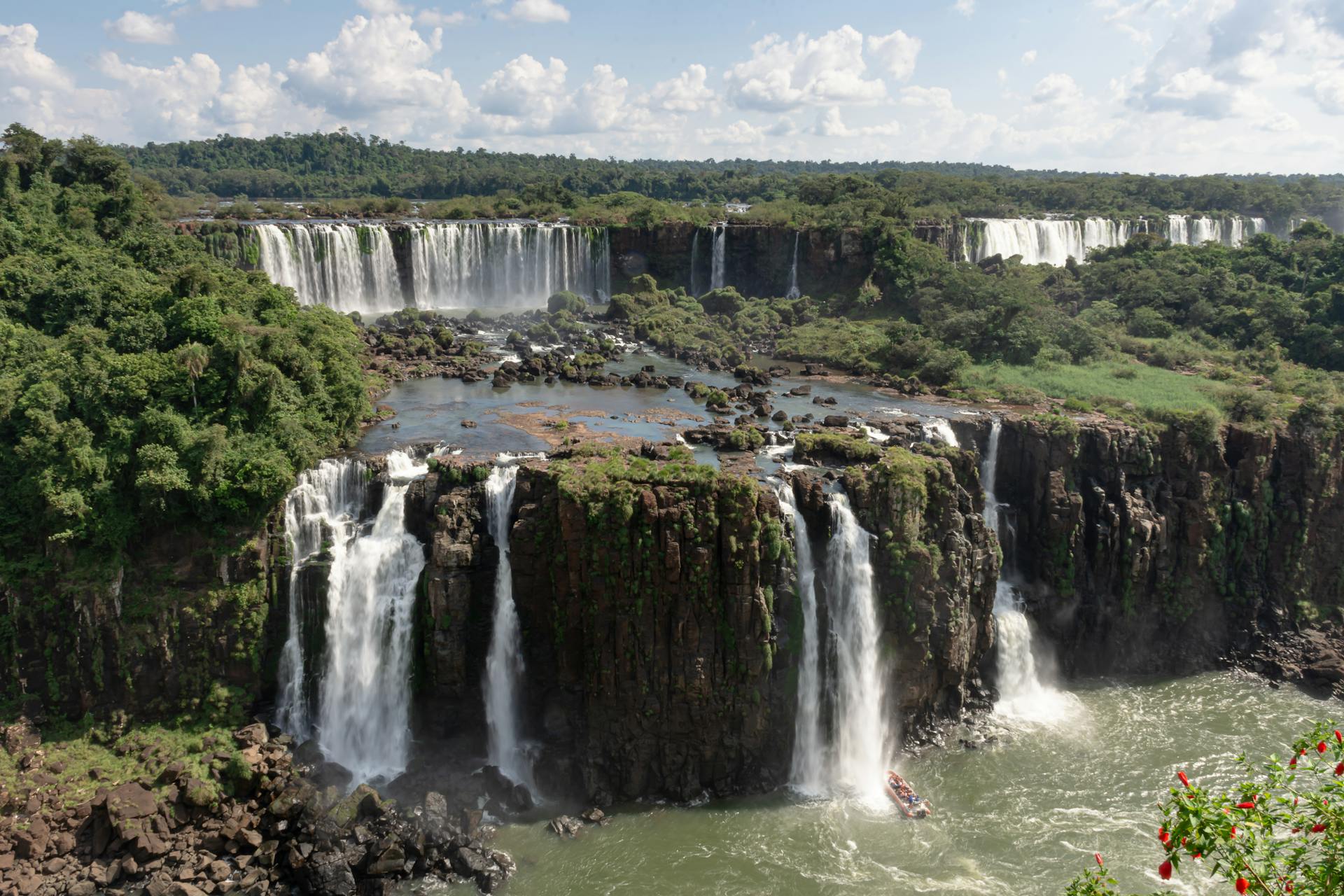
Spend the morning on the Brazilian park's boardwalks, which trace a panoramic arc toward the Devil's Throat lookout and give you the sweeping, wide-angle view the Brazil side is known for. In the afternoon, take the Macuco Safari Zodiac run, which powers up close to the base of the falls and soaks everyone aboard.
The health note here is unglamorous but real: get out of wet clothes promptly. Rainforest humidity plus damp fabric is exactly the setup for chafing and fungal skin irritation, which is why a topical like clotrimazole-betamethasone earns its place in the kit. Dry off, change, and reapply sun protection.
Day 3: Cross to Argentina, upper and lower circuits
Cross the border to Puerto Iguazú and spend the day on the Argentine side. The upper and lower circuits weave right along and above dozens of individual cascades, a more intimate experience than the Brazilian panorama. It is a lot of walking and a lot of sun.
Reapply repellent through the day. CDC reports that dengue, chikungunya, and Zika all circulate in the Iguaçu Falls region, transmitted mainly by Aedes aegypti mosquitoes that bite during daylight hours, so daytime protection is not optional. There is no vaccine or pill you take for dengue as a traveler, which makes bite avoidance the entire strategy.
Want the health prep for Brazil?
Get a 60-second pre-trip check: the vaccines, prescriptions, and altitude/seasonality notes that change the plan — built for your exact dates.
Day 4: Devil's Throat and a flexible buffer
Take the park's ecological train out to the Garganta del Diablo catwalk, which delivers you to the edge of the Devil's Throat, where water plunges into the U-shaped gorge from three sides. It is the single most powerful viewpoint of the trip. In the afternoon, choose between the Itaipu Dam, one of the largest hydroelectric projects in the world, and the Parque das Aves bird park near the Brazilian entrance.
The bird park is a genuinely useful health-aware choice on a hot afternoon, since much of it is shaded and lower-effort than another round of boardwalks, and it gives your legs a break before travel day. Itaipu, by contrast, is a longer excursion, so weigh it against how you are holding up in the heat.
This day also functions as your buffer. If traveler's diarrhea has hit, a flexible day lets you rest and start treatment without losing a marquee experience. That is precisely why a self-start antibiotic belongs in your bag before you leave. Traveler's diarrhea is usually self-limited, but the practical goal is to shorten it and stay ahead on fluids, and having ciprofloxacin already in hand means you are not trying to find a pharmacy or a clinic mid-episode in an unfamiliar town.
Day 5: Depart
Keep the final morning relaxed before flying out. Carry bottled water for the journey home, and if you started a traveler's diarrhea course, finish it as directed rather than stopping the moment you feel better.
Health prep for this trip
Three things drive the Iguazu health plan, and all three are best handled before departure.
First, the yellow fever vaccine. CDC currently recommends it for travelers to the Iguaçu Falls region, generally for people aged 9 months and older without a contraindication, and it should be given at least 10 days before travel to be protective. Brazil does not require proof of vaccination to enter, but neighboring countries may ask for a certificate if you travel onward, so carry your card. Book this early, since it is the one item you cannot fix at the last minute. See our Brazil destination guide for the wider country picture and our vaccines overview for timing.
Second, traveler's diarrhea. CDC classifies the risk across Brazil as high, with an estimated 30 to 70 percent of travelers to high-risk regions affected over two weeks. Ciprofloxacin is one of CDC's first-line self-start antibiotics for South America, taken on demand at the onset of symptoms. You can read how we set that up on the Iguazu Falls travel-medicine page, and the specifics of the antibiotic on our ciprofloxacin page. Most travelers should also follow standard food and water precautions: bottled or sealed water, no ice from untreated sources, and caution with raw vegetables and street food.
Third, the rainforest skin and comfort layer. The combination of humidity and a soaking boat ride makes fungal and irritant rashes common, which is what clotrimazole-betamethasone addresses, and long boardwalk days add up, where prescription-strength ibuprofen helps. None of this is exotic, but having it in hand beats hunting for a pharmacy across a border.
What to pack
Pack insect repellent with DEET or picaridin and lightweight long sleeves for daytime bite protection, a rain layer or poncho for the falls and the boat, quick-dry clothing and a dry bag for the Macuco run, sturdy non-slip footwear for wet boardwalks, high-SPF sunscreen and a hat, and oral rehydration salts. Bring your travel-medicine kit built around your provider's advice, plus your yellow fever vaccination card. A small supply of bottled water for travel days rounds it out.
Best time to go and what to avoid
There is a real tradeoff at Iguazu between water volume and health comfort. The falls run heaviest in the wetter, warmer months, but that is also when mosquito activity peaks. Per CDC, outbreaks of dengue, chikungunya, and Zika in this region occur during the rainy season, November through May, and the combined incidence of those three diseases in the area was around 766 per 100,000 people in 2022. The drier stretch from roughly April to September tends to be milder with lower mosquito pressure.
Whenever you go, the constant is daytime bite protection, since the mosquitoes that matter here bite in daylight. Avoid wading into still freshwater on your own, and do not feed the coatis around the boardwalks, which CDC notes have been involved in reported bite incidents.
Cost expectations
Iguazu is moderately priced by international standards. Park entry fees on each side, the Macuco boat, cross-border transfers, and a few nights of lodging in Foz do Iguaçu or Puerto Iguazú make up most of the budget, with the boat ride and any private transfers being the notable add-ons. It is easy to do comfortably without being a luxury trip, and the health prep, vaccine and a small travel-medicine kit, is a modest line item against the cost of getting there.
Day-by-day plan
| Day | What you're doing | Health note |
|---|---|---|
| 1 | Arrive Foz do Iguaçu, settle in Land in Foz do Iguaçu on the Brazilian side, check in, and take an easy evening to recover from travel. | Your yellow fever vaccine should already be done, ideally at least 10 days before this flight per CDC. Start hydrating and set up your mosquito-bite routine tonight. |
| 2 | The Brazilian side and the Macuco boat Walk the panoramic boardwalks on the Brazil side for the wide-angle view, then take the Macuco Safari Zodiac into the spray below the falls. | The boat soaks you to the skin. Dry off and change promptly, since damp clothes in rainforest humidity set up the skin irritation and fungal rashes that clotrimazole-betamethasone treats. |
| 3 | Cross to Argentina: upper and lower circuits Cross the border to Puerto Iguazú for the Argentine park's upper and lower circuits, which put you right at the lip of dozens of individual cascades. | Long boardwalk days mean a lot of sun and repetitive walking. Apply repellent in the morning and reapply, since Aedes mosquitoes here bite during the day. |
| 4 | Devil's Throat and a flexible buffer Take the ecological train to the Garganta del Diablo (Devil's Throat) catwalk, then use the afternoon for Itaipu Dam or Foz's bird park. | A buffer day also absorbs any traveler's diarrhea episode without wrecking your plans, which is exactly why a self-start antibiotic belongs in your bag. |
| 5 | Depart A relaxed final morning before flying out of Foz do Iguaçu or Puerto Iguazú. | Keep bottled water for the trip home and finish any traveler's diarrhea course as directed rather than stopping early once you feel better. |
Frequently Asked Questions
CDC currently recommends the yellow fever vaccine for travelers to the Iguaçu Falls region on both the Brazilian and Argentine sides. Brazil does not require proof of vaccination to enter, but neighboring countries may require a certificate if you continue on, and the vaccine needs to be given at least 10 days before travel to be effective. Most travelers should discuss it with a provider several weeks ahead. It is generally recommended for people aged 9 months and older who do not have a contraindication.
No. CDC lists the Iguaçu Falls area as outside Brazil's malaria risk zone, and no malaria cases have been reported there. You do not need an antimalarial for a standard Iguazu itinerary. The mosquito-borne risk that does apply is dengue and related viruses, which is a bite-avoidance problem rather than a pill.
Five days is comfortable. It gives you a full day on the Brazilian side with the Macuco boat, a full day on the Argentine circuits, a day for the Devil's Throat catwalk plus Itaipu Dam or the bird park, and a buffer that doubles as insurance if traveler's diarrhea slows you down. You can compress the falls themselves into two days, but the extra time lets you avoid rushing in the heat.
CDC classifies traveler's diarrhea risk across Brazil as high, and estimates that 30 to 70 percent of travelers to high-risk regions are affected over a two-week trip. The usual causes are contaminated food and water. For Iguazu, ciprofloxacin is one of CDC's first-line self-start antibiotics for South America, taken on demand when symptoms hit. Most travelers should also follow food and water precautions and stay hydrated.
From a health standpoint, roughly April through September tends to be drier and milder, with lower mosquito activity. CDC notes that outbreaks of dengue, chikungunya, and Zika in this part of Brazil occur during the rainy season, November through May. The falls run heaviest in the wetter months, so there is a tradeoff between peak water volume and higher mosquito and heat exposure. Whenever you go, plan for daytime bite protection.
The coatis, which are long-tailed raccoon relatives common around the boardwalks, will approach people for food, and CDC notes there have been reported bite and scratch incidents. Do not feed or touch them and keep food out of sight. Any animal bite or scratch that breaks the skin should be cleaned immediately and evaluated, since it may need medical attention. Routine rabies pre-exposure vaccination is generally not considered necessary just to visit the falls.
Stick to the boardwalks, viewpoints, and the organized boat rides rather than wading into still freshwater. CDC notes that schistosomiasis has occurred in parts of the wider Iguaçu area, though no cases have been reported at Iguaçu Falls since 2012. The bigger practical issues are strong currents and slippery rock. The Macuco Safari boat is a run operator activity and is a different thing from wading on your own.
For a standard Iguazu trip I plan around three things: a self-start traveler's diarrhea antibiotic such as ciprofloxacin, something for the skin irritation and fungal rashes that rainforest humidity and a soaking boat ride bring on, such as clotrimazole-betamethasone, and prescription-strength ibuprofen for the cumulative ache of long boardwalk days. Pair that with insect repellent, sun protection, and oral rehydration. Speak with a provider about what fits your history.
Mark Karam, PA-C is a board-certified Physician Associate with emergency and urgent care experience and co-founder of Wandr Health.