
The 10-Day India Golden Triangle Itinerary: The Health-Smart Version

A health-smart 10-day India Golden Triangle trip runs Delhi to Agra to Jaipur and back, a roughly 720 km road loop linking the Mughal capital, the Taj Mahal, and the pink city of Rajasthan. The single factor that should shape your plan is food and water safety: the CDC describes the risk of traveler's diarrhea in India as high, with travelers facing greater than a 60 percent chance of developing it on a two-week trip, and roughly 85 percent of US typhoid cases occur in people who traveled to India or other parts of South Asia. Most travelers should carry a stand-by antibiotic, confirm hepatitis A and typhoid vaccines, and time the trip for the cool, dry October to March window. Speak with a provider about your dates and health history.
India's Golden Triangle is one of the great first trips anywhere, and it is also the trip where a little clinical planning pays off the most. Delhi, Agra, and Jaipur deliver Mughal forts, the Taj Mahal, and the color of Rajasthan in a tidy loop, but the country's main travel-health story is unglamorous and very manageable: food and water borne illness. Treated like a problem to plan around rather than fear, it rarely costs you a day. This version keeps the classic route and layers in the timing, the eating habits, and the travel-medicine kit that quietly protect the trip you saved up for.
Who this itinerary is for
This is a strong first India trip for travelers who want history, architecture, and culture at a moderate pace, without trekking fitness or altitude to worry about. The days are full and the heat is real, but the walking is manageable and the route is well worn, with good hotels and drivers at every price point. Families, couples, and first-time visitors all fit this loop, especially in the cool season.
It also suits returning travelers who got caught out last time. If you have spent a day of an India trip flattened by something you ate, the changes here are aimed squarely at you: when to go, how to choose food and water, what vaccines to confirm, and what to carry so a stomach bug stays a footnote. None of this requires eating timidly. It mostly requires eating smart, and India rewards travelers who do.
One honest note on scope. Ten days covers the triangle comfortably with room to breathe. It deliberately leaves out the rest of a vast country, and that is the point. Building in buffer time and a couple of slower days does more for your health and your memories than cramming a fourth or fifth city into the same window.
The route
The Golden Triangle is a road loop of about 720 km connecting three cities, each a few hours apart. You start in Delhi, the sprawling capital that pairs Mughal Old Delhi with the planned avenues of New Delhi. Three nights here lets you see the headline sights and recover from the flight before you start moving.
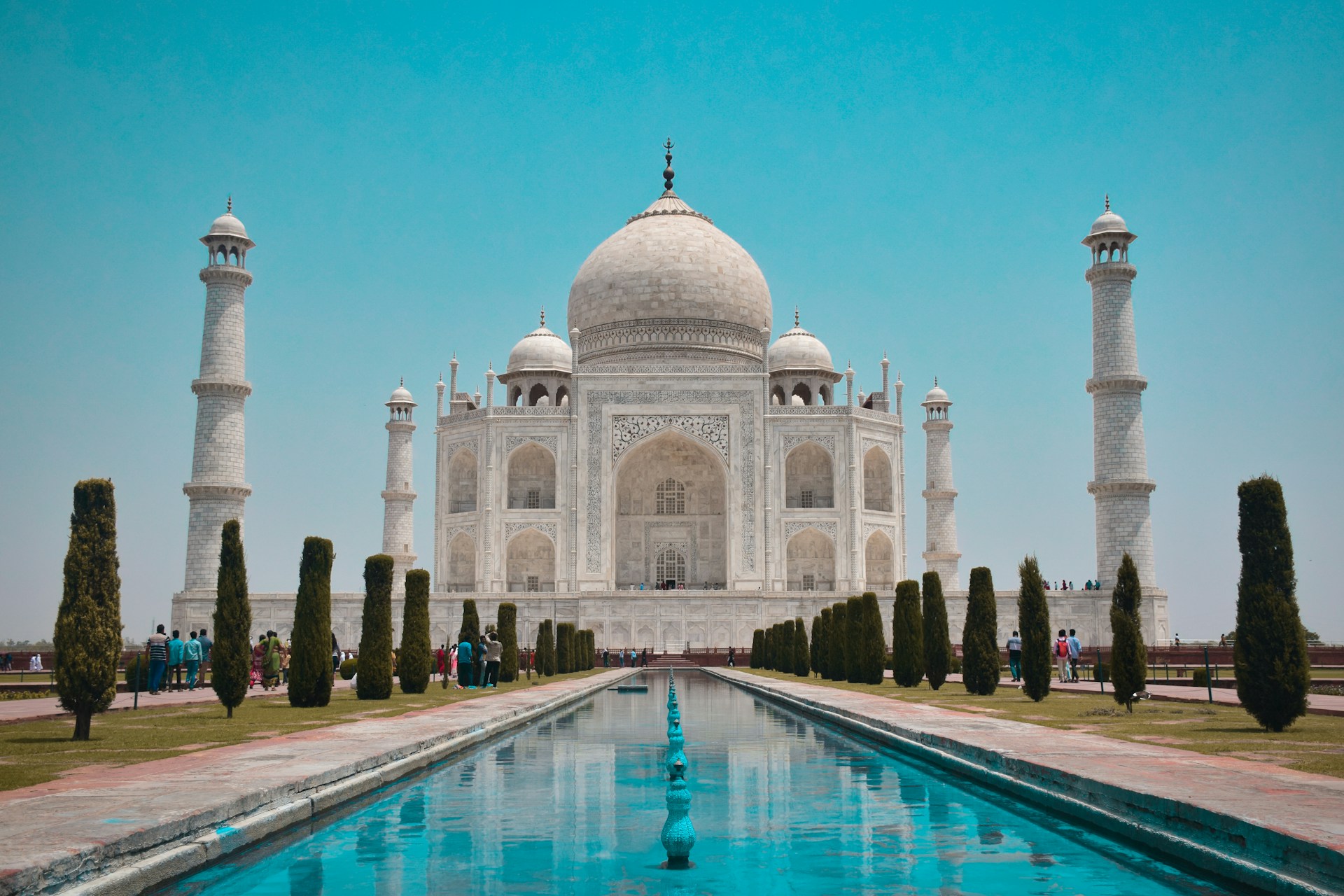
From Delhi you head south to Agra, roughly 230 km and a 3 to 4 hour drive on the Yamuna Expressway, or a fast train if you prefer to skip the road. Agra is home to the Taj Mahal and the Agra Fort, and one to two nights is plenty. From Agra you turn west to Jaipur, about 240 km and a 4 to 5 hour drive, with the abandoned Mughal city of Fatehpur Sikri a worthwhile stop on the way.
Jaipur, the pink city of Rajasthan, anchors the third corner with the hilltop Amber Fort, the City Palace, and the Hawa Mahal. Two to three nights suits it. From Jaipur you close the loop back to Delhi, about 280 km and a 5 to 6 hour drive, ideally with a light final day so you reach the airport rested rather than frayed.

Day-by-day plan
Day 1: Arrive Delhi, rest and reset
Fly into Indira Gandhi International and settle into central or south Delhi. The most useful health habit starts immediately: drink only sealed bottled or treated water, and use it even for brushing your teeth. Long-haul arrivals are when dehydration and jet lag compound, so go easy, eat something simple and well cooked, and let your body land before the sightseeing starts.
Day 2: Old Delhi
Spend the day in Mughal Old Delhi, the Red Fort, the Jama Masjid, and the crowded lanes of Chandni Chowk. This is prime street-food territory, and you do not have to avoid it. The CDC consistently identifies food handling, not bad luck, as the main driver of travel-related stomach illness, so the move is to favor busy stalls with high turnover where food is cooked hot to order in front of you. Skip anything lukewarm, anything sitting out, and cut fruit you did not peel yourself.
Day 3: New Delhi
Shift to the wide avenues of New Delhi for Humayun's Tomb, the towering Qutub Minar, and a pass by India Gate and the government quarter. The pace is gentler than Old Delhi but the sun is strong, so carry water and take shade breaks. If your stomach is still adjusting to new food and water, this is not the day to test it, keep meals simple and well cooked and save the adventurous eating for when you feel solid.
Day 4: Delhi to Agra
Drive about 230 km south on the Yamuna Expressway to Agra, roughly 3 to 4 hours, and aim to see the Taj Mahal at sunset from across the Yamuna River at Mehtab Bagh. Carry your own sealed water and snacks for the road. Highway rest stops vary widely in food safety, so when you stop, eat at the busiest, most established outlet rather than the most convenient one.
Day 5: Agra
Enter the Taj Mahal at first light. An early start beats both the heat and the heaviest crowds, and the marble in dawn light is the image you came for. Afterward, tour the red sandstone Agra Fort. The catch with sunrise starts is the skipped breakfast, so eat something safe and hydrate before a long morning on your feet, because rising heat plus an empty stomach is how good days turn into headaches.
Want the health prep for India?
Get a 60-second pre-trip check: the vaccines, prescriptions, and altitude/seasonality notes that change the plan — built for your exact dates.
Day 6: Agra to Jaipur via Fatehpur Sikri
Drive about 240 km to Jaipur, 4 to 5 hours, breaking the trip at Fatehpur Sikri, the beautifully preserved Mughal city that was abandoned within decades of being built. This is a long road day in the heat. Pack water and your stand-by kit, and treat roadside vendors with the same caution as anywhere else, no cut fruit, no unsealed drinks, no ice of unknown origin.
Day 7: Jaipur forts and palaces
Spend the day at the hilltop Amber Fort, reached by a steep approach, and the sprawling City Palace in the heart of the pink city. The fort ramparts are exposed, so sun protection is a health item, not a vanity one: a hat, sunscreen, and steady water intake keep heat exhaustion off the table on a long day of climbing and walking.

Day 8: Jaipur sights and bazaars
See the honeycomb facade of the Hawa Mahal and the giant instruments of the Jantar Mantar observatory, then browse Jaipur's famous textile and jewelry bazaars. Bazaar snacking is part of the experience, so lean on the same rule that has carried you this far: hot, fried-to-order items over anything at room temperature, sealed drinks over ice. By now this is habit, and it is what keeps the last stretch of the trip clean.
Day 9: Jaipur to Delhi, buffer day
Return about 280 km to Delhi, a 5 to 6 hour drive, and keep the rest of the day light. A deliberate easy day near the end is one of the most underrated health choices on a trip like this. It gives you margin if a road day runs long, and if any stomach symptoms appeared earlier in the week, this is the day to reassess your stand-by plan rather than scrambling at the airport.
Day 10: Delhi departure
Use a flexible final morning for any sight or shop you missed, then transfer to the airport. Keep your last meals conservative and well cooked. The aim is simple: fly home feeling well. A final adventurous plate is rarely worth the risk of a long flight spent unwell.
Health prep for this trip
The health theme that genuinely shapes an India trip is food and water safety, with mosquito-borne illness a seasonal secondary concern. Both reward preparation far more than worry. For an overview of the country's health picture, the India destination guide is the companion reference to this plan.
For the stomach, the CDC describes traveler's diarrhea risk in India as high, with travelers facing greater than a 60 percent chance over a two-week trip. A practical kit pairs a stand-by antibiotic such as azithromycin, generally preferred in South Asia because of fluoroquinolone resistance, with an anti-cramping option such as dicyclomine, plus oral rehydration salts. Wandr's India Golden Triangle travel-medicine bundle maps these to this trip. A common stand-by approach is azithromycin 500 mg once daily for three days for moderate to severe illness, but always confirm what fits your health history with a provider, and seek care for high fever, bloody stools, or dehydration.
On vaccines, most travelers should confirm routine immunizations are current and discuss hepatitis A and typhoid, both of which the CDC commonly recommends for India because they spread through contaminated food and water. Typhoid matters here specifically: the CDC reports that roughly 85 percent of US typhoid cases occur in people who traveled to India or elsewhere in South Asia. Timing matters more than people expect, so a clinic visit about six weeks before departure leaves room to complete any series. If you are pregnant, immunocompromised, or traveling with young children, start that conversation earlier, because the right thresholds may be stricter for you than for an average healthy adult.
For mosquitoes, dengue risk rises during and after the monsoon. There is no widely available dengue vaccine for most US travelers, so prevention is behavioral: a daytime repellent with DEET or picaridin, since the Aedes mosquito bites mostly in daylight, and accommodation with screens or air conditioning where you can.
What to pack
Beyond the usual, prioritize the health-relevant items: a daytime insect repellent with DEET or picaridin, reef-safe sunscreen and a wide-brim hat for exposed forts, a refillable bottle with a filter as backup, oral rehydration salts, hand sanitizer for before every meal, and a compact travel-medicine kit with your stand-by antibiotic, an anti-cramping option, and any personal prescriptions in their original labeling. Modest, breathable, quick-dry clothing covers both the heat and the dress expectations at religious sites. A small supply of sealed snacks smooths the long road days between cities.
Best time to go and what to avoid
The Golden Triangle is a cool-season trip at heart. October to March brings comfortable daytime temperatures, generally in the 10 to 27 degree Celsius range, and the lowest mosquito activity, which makes it the healthiest and most pleasant window despite the crowds. April through June is punishing, with North India heat often climbing above 45 degrees Celsius, and the June to September monsoon raises mosquito-borne disease risk and can disrupt road travel.
If you must travel outside the cool season, the trip is still doable. You simply lean harder on heat management in the dry months and on bite protection during the monsoon, and you build in more rest.
Cost expectations
India offers an unusually wide range. A comfortable mid-range version of this loop, with good four-star hotels, a private car and driver, monument fees, and a guide on key days, typically lands in the low-to-mid hundreds of dollars per person per day, and a private driver for the whole triangle is more affordable here than in most countries. Budget travelers can do it for far less using trains and simpler hotels, while heritage palace hotels in Jaipur and Agra push the top end much higher. Building the small travel-medicine kit before you go is a minor line item that protects the much larger investment of the trip, since a single clinic visit abroad or a lost day of prepaid touring costs far more than packing the right repellent, rehydration salts, and a stand-by antibiotic.
Day-by-day plan
| Day | What you're doing | Health note |
|---|---|---|
| 1 | Arrive Delhi, rest and reset Land at Indira Gandhi International, settle into central or south Delhi, and recover from the flight. | Drink only sealed bottled or treated water from the first hour, including for brushing your teeth. Jet lag plus dehydration is the most common avoidable rough start. |
| 2 | Old Delhi: Red Fort, Jama Masjid, Chandni Chowk Explore Mughal Old Delhi, the Red Fort, the Jama Masjid, and the lanes of Chandni Chowk. | Street food is a highlight here, but choose stalls with high turnover where food is cooked hot to order, the single biggest lever on traveler's diarrhea risk. |
| 3 | New Delhi: Humayun's Tomb, Qutub Minar, India Gate Shift to the wide avenues of New Delhi for Humayun's Tomb, the Qutub Minar, and the government quarter. | Pace yourself in the heat and carry water. If your stomach is settling in, keep meals simple and well cooked rather than testing it on day three. |
| 4 | Drive Delhi to Agra on the Yamuna Expressway Travel roughly 230 km south to Agra, about a 3 to 4 hour drive on the Yamuna Expressway, and see the Taj at sunset from across the river. | Carry your own sealed water and snacks for the road. Highway rest stops vary widely in food safety, so eat at known, busy outlets. |
| 5 | Agra: Taj Mahal at sunrise, then Agra Fort Enter the Taj Mahal at first light to beat heat and crowds, then tour the red sandstone Agra Fort. | Early starts mean skipped breakfasts. Eat something safe and hydrate before a long morning on your feet in rising heat. |
| 6 | Agra to Jaipur via Fatehpur Sikri Drive about 240 km to Jaipur, 4 to 5 hours, stopping at the abandoned Mughal city of Fatehpur Sikri. | This is a long road day. Pack water and a stand-by plan, and avoid cut fruit or unsealed drinks sold at roadside stops. |
| 7 | Jaipur: Amber Fort and City Palace Spend the day at the hilltop Amber Fort and the City Palace complex in the heart of the pink city. | Sun exposure is high on the open fort ramparts. Sunscreen, a hat, and steady water intake matter as much as any monument ticket. |
| 8 | Jaipur: Hawa Mahal, Jantar Mantar, and bazaars See the Hawa Mahal and the Jantar Mantar observatory, then browse Jaipur's textile and jewelry bazaars. | Bazaar snacking is part of the fun. Favor hot, fried-to-order items over anything sitting at room temperature, and skip ice in drinks. |
| 9 | Jaipur to Delhi, buffer and recovery Return roughly 280 km to Delhi, about a 5 to 6 hour drive, keeping the day light for rest before departure. | A deliberate easy day near the end protects against arriving at the airport unwell. If symptoms appeared mid-trip, reassess your stand-by plan now. |
| 10 | Delhi: final morning and departure Use a flexible final morning for any missed sights or shopping, then transfer to the airport for your flight home. | Keep your last meals conservative and well cooked. The goal is to fly home feeling well, not to gamble on a final adventurous plate. |
Frequently Asked Questions
Fairly likely if you are not careful, which is why preparation matters. The CDC currently describes the risk of traveler's diarrhea in India as high, noting travelers can face greater than a 60 percent chance of developing it during a two-week trip. Most cases are mild and resolve with oral rehydration, but a stand-by antibiotic such as azithromycin can shorten moderate to severe episodes. The practical defense is food and water choices plus a kit you agreed on with a provider before you left.
Most travelers to India should discuss it. The CDC commonly recommends typhoid vaccination for travel to South Asia, and reports that roughly 85 percent of US typhoid cases occur in people who traveled to India or other parts of the region. Typhoid spreads through contaminated food and water, the same exposures that drive traveler's diarrhea, so the vaccine and careful eating work together. Confirm timing with a travel clinic, since the vaccine needs time to take effect.
The CDC generally favors azithromycin as a stand-by treatment for moderate to severe traveler's diarrhea in South Asia, in part because of high rates of resistance to fluoroquinolones in the region. A common approach is azithromycin 500 mg once daily for three days, paired with oral rehydration, though the right choice depends on your health history. Many travelers also carry an anti-cramping option such as dicyclomine. Always set your plan with a provider and seek care for high fever, bloody stools, or signs of dehydration.
October to March is the cool, dry window, with daytime temperatures generally in the 10 to 27 degree Celsius range and the lowest mosquito activity, which is why it is the most comfortable and lowest-risk season for most travelers. The trade-off is peak crowds at the Taj Mahal. April through June brings extreme heat, often above 45 degrees Celsius in North India, and the June to September monsoon raises mosquito-borne disease risk. Travel is possible year-round, but the season changes your health priorities.
It can be, mainly during and after the monsoon. The Aedes mosquitoes that spread dengue bite chiefly during daylight and breed in standing water, so risk climbs through the rainy and post-monsoon months from roughly June into October. In the cool, dry season the risk is lower but not zero. There is no widely available dengue vaccine for most US travelers, so prevention is behavioral: daytime repellent with DEET or picaridin, and accommodation with screens or air conditioning where possible.
The conservative answer for travelers is no, treat tap water as unsafe for drinking on this trip. Stick to sealed bottled water or water you have filtered or boiled, use it for brushing your teeth, and be cautious with ice, which may be made from untreated water. The CDC's broader guidance for high-risk regions is to favor sealed beverages and food that is cooked and served hot. This single habit prevents a large share of travel-related stomach illness.
The full loop is about 720 km by road: roughly 230 km Delhi to Agra, 240 km Agra to Jaipur, and 280 km Jaipur to Delhi, with each leg taking about 3 to 6 hours. Fast trains such as the Gatimaan or Shatabdi Express connect Delhi and Agra comfortably, and other trains link Agra and Jaipur. Trains reduce road fatigue, but you still control your own food and water on board, so pack sealed snacks and treated water either way.
Ten days is generous for the classic triangle and lets you build in health buffers rather than rush. The minimum version is often done in 5 to 7 days, but the extra days let you acclimate to the heat, slow down if your stomach needs a quieter day, and keep the final day light so you fly home well. If you wanted to add a destination, a tiger reserve such as Ranthambore is a common extension, though it lengthens the driving.
For the standard urban Golden Triangle route, many travelers do not. The CDC's malaria guidance for India is nuanced and varies by area and season, and the major Golden Triangle cities are lower risk than some rural and eastern regions. Because recommendations change and depend on your exact itinerary and dates, confirm with a travel provider whether prophylaxis applies to you, especially if you plan rural detours or travel during or after the monsoon.
Mark Karam, PA-C is a board-certified Physician Associate with emergency and urgent care experience and co-founder of Wandr Health.