
The 8-Day Galapagos Itinerary: The Health-Smart Version
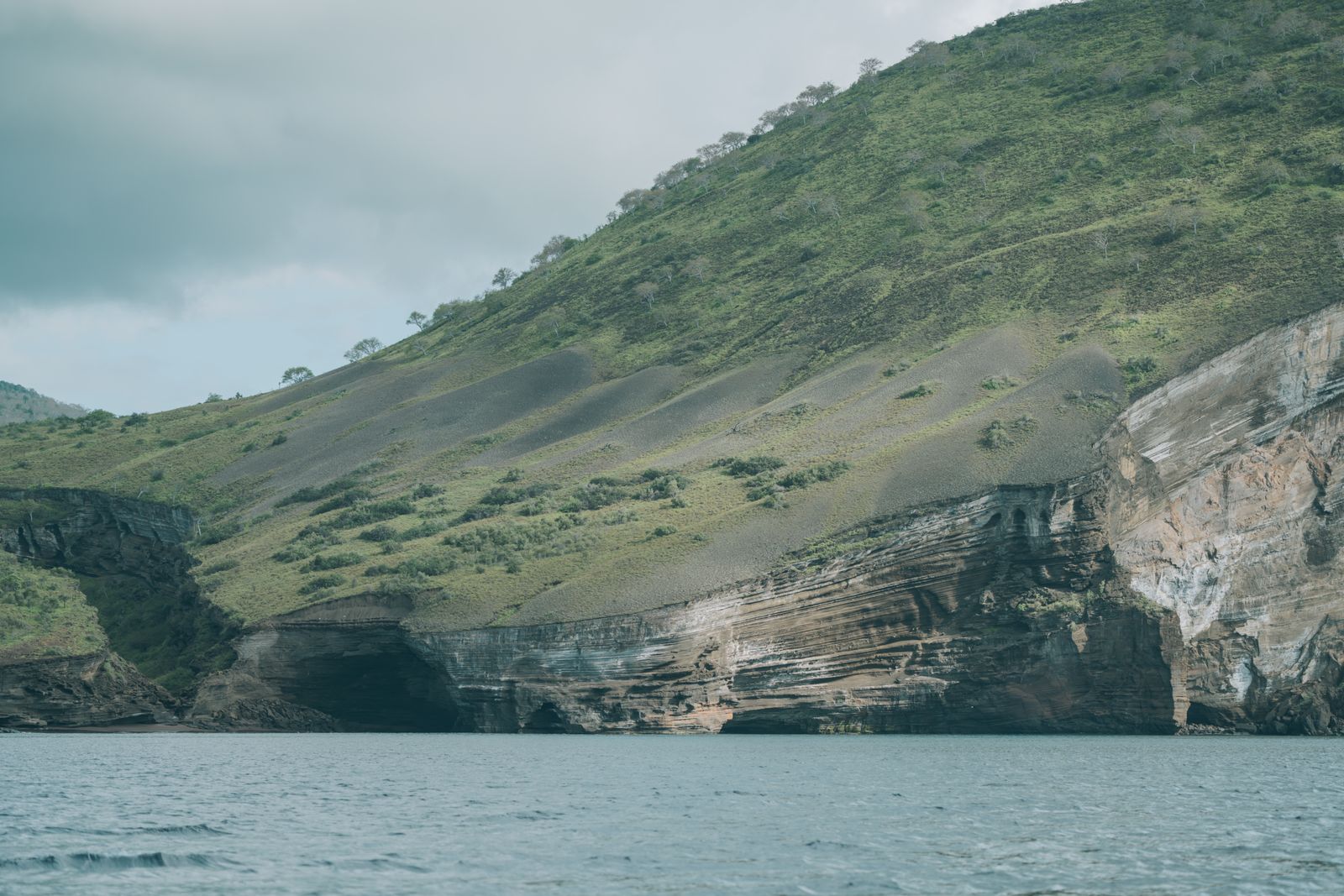
This health-smart 8-day Galapagos itinerary flies you from mainland Ecuador to the archipelago, roughly 1,000 km (620 miles) west in the Pacific, then island-hops by small-ship cruise or day boat through Santa Cruz, the central and southern islands, and San Cristobal. The single factor that most shapes a Galapagos trip is not an exotic disease: per the CDC, there is no malaria or yellow fever risk on the islands. It is motion sickness on the open-ocean crossings between islands, combined with equatorial sun. The Wandr Team build front-loads a motion-sickness plan you start before the first crossing, aggressive sun protection because the islands sit on the equator, and a traveler's diarrhea backup. Speak with a provider before booking any prescriptions.
The Galapagos is one of the few trips where the wildlife, not a disease map, is the headline. There is no malaria and no yellow fever risk on the islands, per the CDC, which means the health planning here is unusual: it is about the ocean and the sun, not pills against tropical infections. The two things that quietly derail Galapagos trips are seasickness on the crossings between islands and equatorial sunburn during long days on the water. Build for those two, keep a simple stomach backup, and the rest of this trip is about boobies, iguanas, and the clearest snorkeling of your life.
Who this itinerary is for
This is an 8-day archipelago loop for first-time Galapagos travelers who want the classic central and southern islands by small-ship cruise or a mixed cruise-and-island approach. It assumes moderate fitness: wet landings from a dinghy, walks over uneven lava, and snorkeling in open water with some current. You do not need to be an athlete, but you should be steady on your feet and comfortable getting in and out of the sea.
If you are prone to motion sickness, this itinerary is still very doable, but read the route section and the health prep section carefully. The difference between a great trip and a miserable one is usually whether you started your motion-sickness plan before the first open crossing rather than after you already felt sick. It is also worth being honest with yourself before booking: if you know you struggle on any boat, an island-based itinerary with hotel nights and shorter day excursions may serve you better than a multi-night cruise on open water.
This is also a strong trip for older travelers and families, with two caveats. Guides are required throughout the national park, wildlife is famously approachable, and the pace is forgiving. But wet landings from a dinghy onto rock or sand demand reasonable balance, and medical care on the islands is basic, with serious cases evacuated to the mainland. Travelers with mobility limits or significant medical history should plan accordingly and confirm evacuation coverage on their travel insurance.
The route
The Galapagos sits roughly 1,000 km (620 miles) west of mainland Ecuador in the Pacific, so every trip starts with a flight from Quito or Guayaquil into either Baltra (for Santa Cruz) or San Cristobal. From there, an 8-day route typically threads the central and southern islands, which keeps crossings manageable while still reaching the marquee wildlife sites.
A common loop runs Santa Cruz first for tortoises and orientation, then south and east through South Plaza, Santa Fe, Espanola, and Floreana, with a swing north to Bartolome before finishing on San Cristobal. The open-water legs that matter for seasickness are the longer, more exposed crossings, often the runs out to Espanola and up to Bartolome. Islands and channels in the central and southern cluster are generally gentler than the far western and northern routes around Isabela, Fernandina, and Genovesa, which is why an 8-day central-southern loop is a sensible first Galapagos trip. The archipelago drew around 330,000 visitors in 2023 according to official figures, so reputable operators run these routes constantly and the logistics are well practiced.
Day-by-day plan
Day 1: Fly to the islands, settle on Santa Cruz
Fly from the mainland to Baltra or San Cristobal and transfer to Santa Cruz. Most travelers visit the Charles Darwin Research Station to meet the giant tortoise program and get oriented. If your boat has an early crossing tomorrow, this is the night to take your first motion-sickness dose, because most options work best before symptoms begin rather than after.
Day 2: Santa Cruz highlands and Tortuga Bay
Head into the cool, green highlands to see giant tortoises in the wild, then down to Tortuga Bay's white sand and turquoise water. The contrast between misty highland and blazing beach is your first taste of how fast sun exposure changes here. Reef-safe SPF 30 or higher, a hat, and water on every walk should become automatic from today.
Day 3: South Plaza and Santa Fe
These small islands deliver land iguanas, sea lion colonies, and a first guided snorkel in sheltered bays. Crossings today are typically shorter and calmer, which makes this a good day to confirm how your body handles the boat before the longer legs ahead. If you feel fine, stay the course; if not, talk to the guide about cabin position and timing your next dose.
Day 4: Espanola, Gardner Bay and Punta Suarez
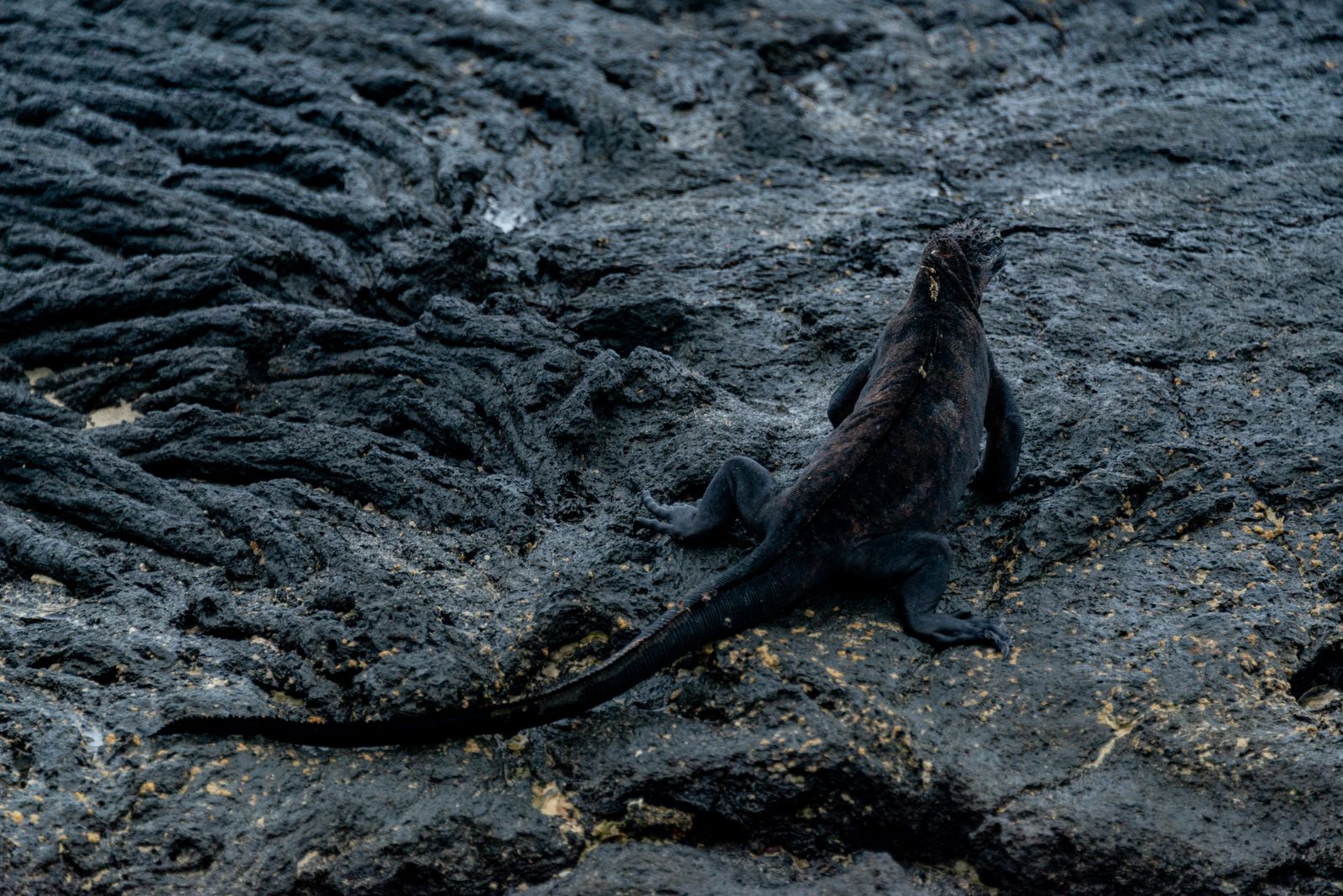
Espanola is a wildlife highlight: marine iguanas, blue-footed boobies, the famous blowhole, and, in season, nesting waved albatross. It is also one of the more exposed crossings on a southern loop. Dose ahead of time, and if your boat allows cabin choice, a mid-ship berth on a lower deck moves less than a high forward cabin.
Day 5: Floreana, flamingos and Devil's Crown
Floreana mixes human history at Post Office Bay with a brackish lagoon where flamingos feed and one of the best snorkels in the islands at Devil's Crown. The water here is cooler and there can be current, so a wetsuit top helps and you should not push beyond your comfort in moving water. Keep an eye on the guide's briefing about entry and exit points.
Want the health prep for Ecuador?
Get a 60-second pre-trip check: the vaccines, prescriptions, and altitude/seasonality notes that change the plan — built for your exact dates.
Day 6: Bartolome and Pinnacle Rock
Bartolome gives you the postcard: the climb to the Pinnacle Rock viewpoint and a volcanic-landscape snorkel where Galapagos penguins sometimes dart past. The crossing here is another open leg. If you feel queasy on the way, stay on deck with your eyes on the horizon rather than reading or looking at a phone below, which tends to make motion sickness worse.
Day 7: North Seymour or Santa Cruz
Depending on your boat, day 7 is either North Seymour for frigatebirds inflating their red throat pouches and more blue-footed boobies, or a relaxed return day around Santa Cruz. It is the last full day, and fatigue makes it easy to skip sunscreen and water. Hold the discipline; the equatorial sun does not ease up because you are tired.
Day 8: San Cristobal and fly home
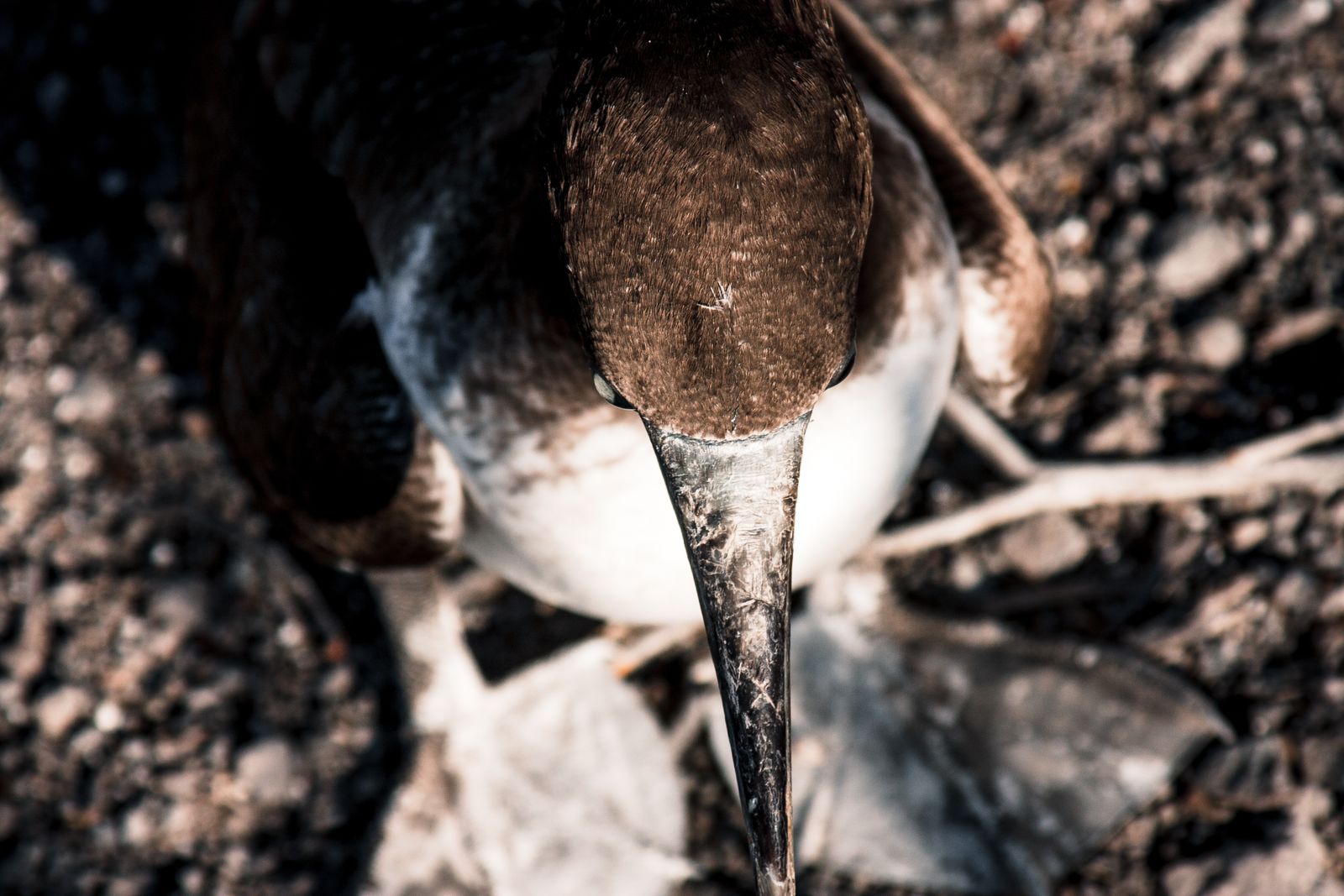
A final morning, often the San Cristobal Interpretation Center or a last beach with sea lions, then the flight back to the mainland. Keep your remaining travel kit, especially any motion-sickness medication for the boat transfer to the airport and your prescriptions, in your carry-on rather than checked luggage.
Health prep for this trip
Start with a provider visit four to six weeks out. The CDC recommends routine vaccines be up to date for Ecuador and lists hepatitis A and typhoid as ones to consider, mostly relevant if you add mainland travel. For a trip limited to the islands, neither malaria pills nor yellow fever vaccine is recommended, per the CDC, because that risk is absent on the archipelago. You can read the broader country picture on the Ecuador destination guide.
The two prescriptions that actually shape this trip are for the sea and the stomach. For motion sickness, most travelers should pick one approach in advance, an oral option such as meclizine or a scopolamine patch for longer cruises, and test it once at home so the side effects are not a surprise on the water. Oral antihistamine-type options are taken before departure and can cause drowsiness; the patch lasts up to about three days but has its own effects such as dry mouth and blurred vision in some people. Whichever you choose, the clinical point is the same: dose ahead of the first crossing, because these work far better as prevention than as rescue once nausea has set in.
For traveler's diarrhea, a standby plan matters because care is remote and a sick day on a cruise is a day you cannot get back. Wandr uses azithromycin 500 mg once daily for three days, with dicyclomine for cramping, and oral rehydration salts to replace fluids. Most travelers should also stick to bottled or treated water and take care with raw or undercooked food, even on a good boat. You can assemble the full kit through the Galapagos travel-medicine bundle. Speak with a provider about what fits your health history, because the right plan depends on your prescriptions, allergies, and trip length.
What to pack
Pack for sun, sea, and wet landings. The essentials: reef-safe SPF 30 or higher sunscreen, a wide-brim hat and sunglasses, a rash guard or wetsuit top for cooler snorkels, quick-dry layers, sturdy sandals or water shoes for dinghy landings, and a dry bag for your camera and phone. For the medical kit, carry your motion-sickness medication, a traveler's diarrhea standby plus oral rehydration salts, ibuprofen, blister care for lava walks, and any personal prescriptions. Keep medications in your day bag, not in luggage that travels separately on small planes and boats.
Best time to go and what to avoid
The Galapagos is a year-round destination, but the seas and water temperature swing with two seasons. The warm, calmer-water season runs roughly December to June and tends to mean smoother crossings and more comfortable snorkeling. The cool, dry season from about July to November brings the strengthening Humboldt current and generally rougher seas, with the choppiest conditions commonly reported from August to October.
The one thing that does not change with season is the sun. Because the islands sit on the equator, UV is intense all year, and the WHO notes UV peaks near the equator and at midday. Plan sun protection for every month.
Cost expectations
The Galapagos is not a budget destination. Small-ship cruises carry a premium for the remote logistics and national-park access, and most travelers also pay the Galapagos national park entrance fee and a transit control card on arrival, in addition to flights from the mainland. Island-based itineraries with hotels and day trips generally cost less than a comparable cruise and can reduce time on open water, which is one more reason the land-based route appeals to travelers worried about seasickness. Build a realistic buffer for park fees, gratuities, and a wetsuit rental if your operator does not include one. The health spend is small by comparison: a motion-sickness plan, a traveler's diarrhea standby, and good sunscreen cost little against the price of the trip, and they are the difference between feeling the trip and enduring it. Given how remote the islands are, travel insurance with medical evacuation coverage is the one line item worth not cutting.
Day-by-day plan
| Day | What you're doing | Health note |
|---|---|---|
| 1 | Fly to the islands, settle on Santa Cruz Fly from Quito or Guayaquil to Baltra or San Cristobal, transfer to Santa Cruz, visit the Charles Darwin Research Station. | Take your first motion-sickness dose tonight if a crossing is scheduled early tomorrow. Most options work best taken before symptoms start. |
| 2 | Santa Cruz highlands and Tortuga Bay Giant tortoises in the highlands, then the white sand of Tortuga Bay. | Equatorial midday sun is intense. Reef-safe SPF 30 or higher, a hat, and water on every walk. |
| 3 | South Plaza and Santa Fe Land iguanas, sea lion colonies, and a first guided snorkel in calm bays. | Shorter, sheltered crossings today. Good day to confirm how your body tolerates the boat before the longer legs. |
| 4 | Espanola: Gardner Bay and Punta Suarez Waved albatross (seasonal), marine iguanas, blue-footed boobies, and the blowhole. | The crossing to Espanola is one of the longer, more exposed legs. Dose ahead and pick a mid-ship, lower cabin if you can. |
| 5 | Floreana: flamingos and Devil's Crown Brackish lagoon flamingos, Post Office Bay history, and a strong snorkel at Devil's Crown. | Cooler water and current at Devil's Crown. A wetsuit top helps; do not snorkel beyond your comfort in current. |
| 6 | Bartolome and Pinnacle Rock The iconic Pinnacle Rock viewpoint, Galapagos penguins, and a volcanic-landscape snorkel. | Another open crossing. Keep eyes on the horizon on deck rather than reading below if you feel queasy. |
| 7 | North Seymour or Santa Cruz Frigatebirds and blue-footed boobies on North Seymour, or a relaxed Santa Cruz day. | Hydration and sun discipline still matter on the last full day. Fatigue makes both easier to neglect. |
| 8 | San Cristobal and fly home Interpretation Center or a final beach, then the flight back to the mainland. | Carry your remaining travel kit in your day bag, not checked luggage, for the connection home. |
Frequently Asked Questions
Per the CDC, there is no risk of malaria or yellow fever on the Galapagos Islands, so neither malaria pills nor a yellow fever vaccine is recommended for a trip limited to the archipelago. Mainland Ecuador is different: some lowland and Amazon regions do carry malaria and yellow fever risk, so if you are adding a jungle or coastal extension, review that leg separately with a provider. The CDC does recommend being up to date on routine vaccines and considering hepatitis A and typhoid for Ecuador.
It varies by route and season. Most travelers tolerate it well, but the longer open-ocean crossings between islands can be choppy, and people prone to motion sickness often feel it. Seas are generally calmer from roughly January through June and rougher from August through October when the cold Humboldt current strengthens, as commonly reported by Galapagos operators. Most motion-sickness medications work best taken before symptoms start, so the plan is to dose ahead of the first crossing rather than wait.
Options include antihistamine-type medications such as meclizine, and the scopolamine patch for longer trips. Meclizine is taken by mouth before travel and can cause drowsiness; the scopolamine patch lasts up to about three days but has its own side effects. Most travelers should pick one approach before the trip and test it once at home so there are no surprises on the water. Speak with a provider about which fits your trip length and health history.
There is no bad time biologically, but the calmer, warmer-water season runs roughly January to June, which suits travelers worried about seasickness and snorkeling comfort. The cooler, drier season from about July to December brings rougher seas as the Humboldt current peaks, but also strong wildlife activity. If motion sickness is your main concern, the first half of the year is generally the gentler window.
Yes. The islands straddle the equator at 0 degrees latitude, and the WHO notes that UV levels are highest near the equator and at midday. Expect to burn faster than you would at home, even on overcast days and especially during water activities where reflection adds exposure. Most travelers should plan on reef-safe SPF 30 or higher, a wide-brim hat, a rash guard for snorkeling, and shade in the midday hours.
It is possible anywhere food and water hygiene varies, though risk on a reputable cruise with treated water is generally lower than in many mainland settings. A practical plan is bottled or treated water, care with raw or undercooked food, and a prescription backup. For traveler's diarrhea, Wandr uses azithromycin 500 mg once daily for three days; dicyclomine can help with cramping. Speak with a provider about whether a standby antibiotic is right for you.
Yes. Island-based or land-based itineraries let you sleep in hotels on Santa Cruz, San Cristobal, or Isabela and take shorter day excursions. You trade some remote-island access for far less time on open water, which can suit travelers who get seasick easily. Day boats can still be bumpy, so a motion-sickness plan is worth carrying either way.
Generally yes. The wildlife is approachable, guides are required in the national park, and medical facilities exist on the main inhabited islands, though specialized care is limited and serious cases are evacuated to the mainland. The real planning levers are mobility on wet landings, sun and heat tolerance, and motion sickness. Travel insurance that covers evacuation is worth confirming because of how remote the islands are.
A sensible kit covers motion sickness (such as meclizine or a scopolamine patch), a traveler's diarrhea plan (azithromycin as a standby, plus dicyclomine for cramps), reef-safe high-SPF sunscreen, oral rehydration salts, any personal prescriptions, and basics like ibuprofen and blister care for wet landings and lava walks. Build it with a provider so the prescriptions match your health history and trip length.
The Wandr Team is the editorial group at Wandr Health; every article is reviewed by a licensed clinician before publication.