
The 7-Day Cambodia Itinerary: The Health-Smart Version

This 7-day Cambodia itinerary runs Phnom Penh to Siem Reap, pairing the capital's history with the Angkor temple complex. The health factor that shapes the plan is traveler's diarrhea: CDC rates food and water risk in Cambodia as high, so carry a provider-prescribed standby antibiotic and treat early rather than pushing through a temple day dehydrated. Dengue is the most likely serious mosquito-borne infection per CDC, peaking in the rainy season from June through August, so daytime bite prevention matters. As a PA-C, I tell travelers the main Angkor temples, Siem Reap, and Phnom Penh carry negligible malaria risk, so most short-itinerary visitors do not need malaria pills.
Cambodia rewards travelers who plan around two things: the heat and what they eat. I am a PA-C, and the patients I see after Southeast Asia trips almost never come in with exotic problems. They come in dehydrated from traveler's diarrhea that started on a temple day and got worse because they pushed through it. This 7-day itinerary runs Phnom Penh to Siem Reap and the Angkor complex, and it is built so that a stomach bug or a hot afternoon costs you an hour, not a day. The medicine here is simple and structural: carry a standby kit, hydrate hard, and time your temple mornings before the sun does its work.
Who this itinerary is for
This is a first-timer's loop. It assumes you want Cambodia's two essential experiences, the capital's history and the Angkor temples, without rushing. Daily walking is moderate but real, often 15,000 to 20,000 steps on temple days across uneven stone in high heat and humidity. You do not need to be an athlete, but you should be comfortable on your feet for several hours and willing to start before dawn.
Returning visitors and slower travelers can stretch the same route to 9 or 10 days by adding Battambang or the southern coast. The health logic does not change: traveler's diarrhea prevention and heat management are the backbone of any Cambodia plan, and the temple-day pacing below works whether you have a week or two.
It is also a strong itinerary for families and older travelers, with one caveat. The temple days are long and hot, and the stone surfaces are steep and uneven in places. If you are traveling with young children or anyone with a heart or lung condition, build in more midday rest, hire a driver rather than relying on long walks between sites, and treat hydration as non-negotiable. The plan already includes a lighter recovery day for exactly this reason.
The route
Cambodia's tourist core is a simple two-city axis. You start in Phnom Penh, the riverside capital, where the Royal Palace, the National Museum, and the sobering Tuol Sleng and Choeung Ek memorials anchor two days of history and city food. From there you move northwest to Siem Reap, the base for the Angkor Archaeological Park, a UNESCO World Heritage site spread across roughly 400 square kilometers of temples, reservoirs, and forest.
The two cities sit about 318 km apart. You can fly the hop in roughly 50 minutes or take a bus or minivan that runs about 5 to 6 hours. This itinerary flies on Day 3 to save a half day and skip the road fatigue, which leaves more recovery margin if your stomach is unsettled. In Siem Reap, the temples cluster into a "small circuit" and a "grand circuit," plus outliers like Banteay Srei and the Tonle Sap floating villages. The plan front-loads the marquee temples while your energy is highest.

Day-by-day plan
Day 1: Arrive Phnom Penh
Land, transfer to a hotel near the riverfront, and keep the first evening light. The single most useful habit starts now: drink only bottled or treated water, including for brushing your teeth, and hydrate aggressively. Cambodia's heat pulls fluid out of you faster than you expect, and a well-hydrated traveler tolerates both the climate and any stomach trouble far better.
Day 2: Phnom Penh history and markets
Spend the day at the Royal Palace and Silver Pagoda, the National Museum, and the Tuol Sleng Genocide Museum with Choeung Ek. The memorials are heavy and worth the time; go in the morning while you are fresh. Eat lunch at a busy, high-turnover spot. Most traveler's diarrhea traces back to food and water, and CDC rates that risk in Cambodia as high, so favor freshly cooked hot dishes served steaming, skip ice of uncertain origin, and peel your own fruit. If symptoms start, begin oral rehydration immediately rather than waiting; most cases are mild and self-limited, and early fluids keep a minor bug from derailing tomorrow's travel day.
Day 3: Transfer to Siem Reap
Take the 50-minute morning flight to Siem Reap. If you choose the road instead, the 318 km drive takes about 5 to 6 hours and motion sickness is possible on the long stretch, so keep water, snacks, and your kit within reach. Arrive, check in, and rest. Save energy for tomorrow's pre-dawn start.
Day 4: Angkor small circuit
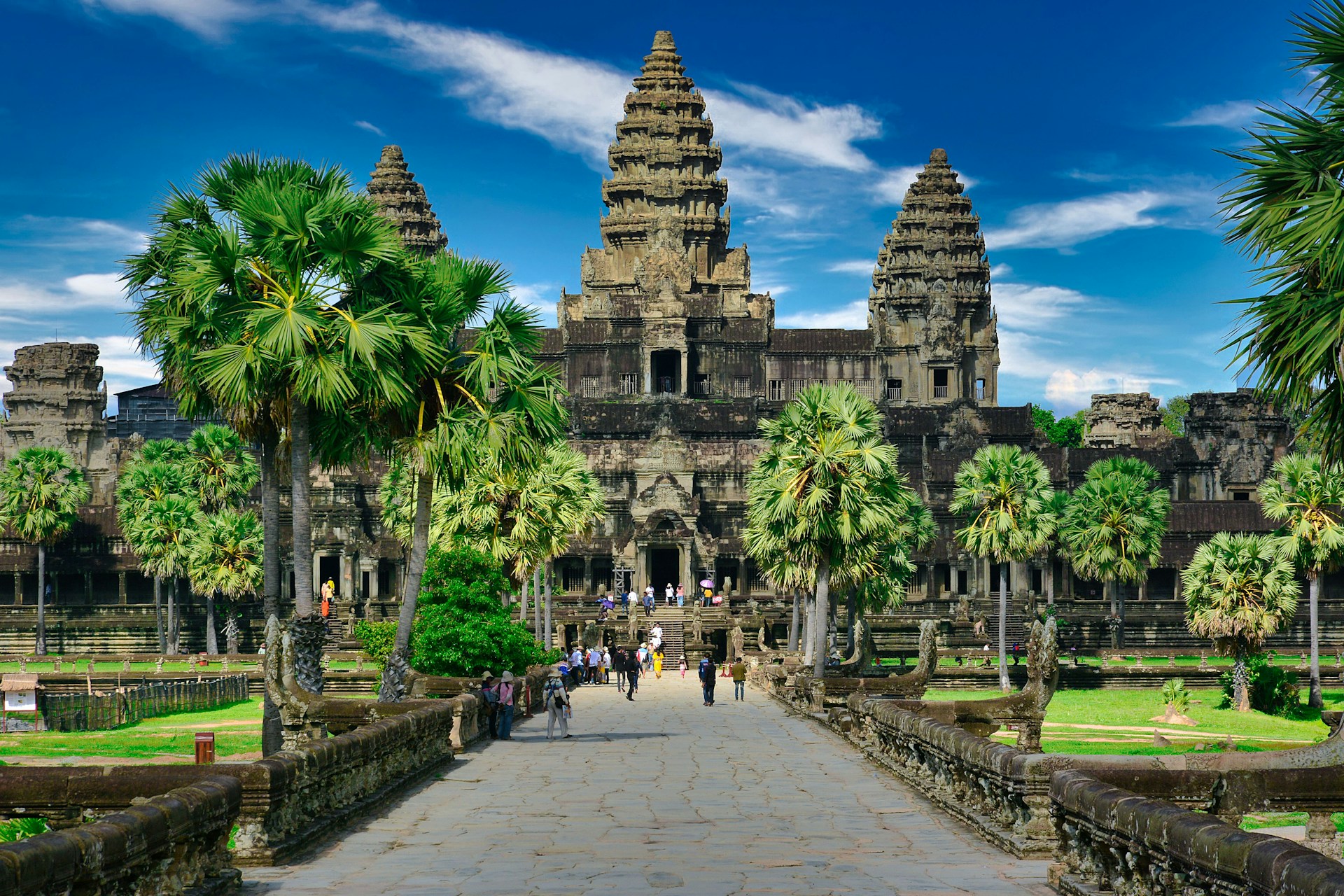
This is the headline day. Enter the park before dawn for sunrise at Angkor Wat, then continue to Angkor Thom and the face towers of the Bayon, and finish at the tree-choked ruins of Ta Prohm. Start early for a reason beyond the light: the complex offers limited shade, and by late morning the heat is punishing. Carry 2 to 3 liters of water per person, use oral rehydration salts, and reapply sunscreen and repellent through the day.
A practical rhythm for this day is temples from sunrise until late morning, a long midday break back at the hotel through the worst heat, then a shorter late-afternoon visit. Trying to power through noon at Angkor in the dry-season heat is how travelers end up dizzy and depleted, and it compounds quickly if you are also fighting a stomach bug. Listen to early warning signs, headache, nausea, and feeling faint, and get into shade and fluids before they escalate.

Want the health prep for Cambodia?
Get a 60-second pre-trip check: the vaccines, prescriptions, and altitude/seasonality notes that change the plan — built for your exact dates.
Day 5: Angkor grand circuit and Tonle Sap
Cover the outer temples and the intricate carving at Banteay Srei in the cooler morning, then visit a Tonle Sap floating village by boat in the afternoon. Do not swim or wade in the lake or its channels; slow freshwater can carry waterborne parasites and bacteria, and it is not worth the risk on a short trip. Mosquito exposure runs higher near the water, so keep repellent on, especially given that the dengue mosquito bites during the day.
Day 6: Slow morning in Siem Reap
Build in a deliberately lighter day. Browse the markets, book a massage, wander Pub Street, or simply rest. This buffer is health infrastructure, not filler: it gives you room to recover from cumulative heat and any stomach trouble before you fly. If you have an extra appetite for temples, add a sunrise return to a quieter site, but keep the afternoon open.
Day 7: Depart Siem Reap
Final breakfast, then transfer to Siem Reap-Angkor International Airport. Keep oral rehydration salts and your standby medication kit in your carry-on, not your checked bag, so you are covered on travel day if symptoms flare. If you developed diarrhea in the last day or two, keep hydrating on the flight and avoid alcohol, which worsens dehydration. Most travelers feel back to normal within a few days of getting home; if a fever develops within two weeks of return, mention your Cambodia trip to your provider so dengue and other travel-related infections are considered.
Health prep for this trip
Most of the work happens before you fly. CDC currently recommends that travelers to Cambodia be up to date on routine vaccines, including measles-mumps-rubella, and consider hepatitis A and typhoid, both of which track the same food-and-water route as traveler's diarrhea. Depending on your itinerary and risk factors, a provider may also discuss Japanese encephalitis or rabies. See a travel provider about 4 to 6 weeks out so any multi-dose series has time to work.
Alongside vaccines, the cheapest protection is behavioral. Carry an alcohol-based hand sanitizer and use it before every meal, since hand-to-mouth transmission is a major route for the bugs that cause traveler's diarrhea. Stick to bottled or properly treated water, including for ice and tooth-brushing, and be cautious with raw vegetables, salads washed in tap water, and unpasteurized dairy. None of this requires paranoia; it is the same short checklist I give every patient heading to the region, and it meaningfully lowers your odds of losing a day.
For the day-to-day, the kit that matters most is a traveler's diarrhea kit. Most providers prescribe standby azithromycin, typically 500 mg once daily for up to 3 days, because resistance to some other antibiotics is common across Southeast Asia. Pair it with dicyclomine for the cramping that often comes with it, plus oral rehydration salts. You can have a provider build this around your trip through the Cambodia and Angkor Wat travel-medicine bundle. For the full country picture, see the Cambodia destination guide. Speak with a provider about what is right for you; none of this replaces individual medical advice.
What to pack
Pack light, breathable, modest clothing that covers shoulders and knees for temple visits, and shoes you can walk miles in on uneven stone. For health: DEET or picaridin repellent, high-SPF sunscreen, a wide-brim hat, a refillable water bottle, oral rehydration salts, your standby antibiotic and dicyclomine, and a small first-aid kit. A sarong or light layer is handy for sun cover and for temple dress codes.
Best time to go and what to avoid
The cool, dry season from November to February brings the most comfortable weather and the lowest mosquito-borne disease activity, with December and January the driest. Dengue, which CDC identifies as the most likely serious mosquito-borne infection for travelers in Cambodia, rises during the rainy season; surveillance shows transmission climbing from roughly May through October, with annual peaks often in June through August. Traveling in the dry window lowers that exposure. The tradeoff is crowds, so November and early December balance dry skies with thinner lines at Angkor.
Cost expectations
Cambodia is one of Southeast Asia's better value destinations. Mid-range travelers can expect comfortable hotels, private drivers, and excellent food at modest cost, while the Angkor pass itself is a separate ticketed expense worth building into your budget. Flights between Phnom Penh and Siem Reap are inexpensive and save meaningful time. The one line item not to cut is your pre-trip health prep; a standby kit and the right vaccines cost far less than a lost temple day or a clinic visit abroad.
It is also worth budgeting for good travel insurance that includes medical evacuation. Cambodia's best hospitals are concentrated in Phnom Penh and Siem Reap, and serious cases are sometimes referred to Bangkok. That is not a reason for alarm on a standard temple trip, but it is a cheap form of peace of mind, and it pairs naturally with carrying your own small medical kit so minor problems never become trip-ending ones.
Day-by-day plan
| Day | What you're doing | Health note |
|---|---|---|
| 1 | Arrive Phnom Penh Land in the capital, settle along the riverfront, ease into the heat. | Drink bottled or treated water from the start and hydrate aggressively in the tropical heat. |
| 2 | Phnom Penh history and markets Royal Palace, the National Museum, and the Tuol Sleng and Choeung Ek memorials. | Eat at busy, high-turnover spots; this is where most traveler's diarrhea starts, so choose carefully. |
| 3 | Transfer to Siem Reap Fly the 50-minute hop or take the roughly 6-hour bus across 318 km. | If you take the road, motion sickness is possible; carry water and snacks and keep your kit accessible. |
| 4 | Angkor small circuit Angkor Wat at sunrise, Angkor Thom and the Bayon, then Ta Prohm. | Start before dawn to avoid midday heat; carry 2-3 liters of water and reapply sunscreen and repellent. |
| 5 | Angkor grand circuit and Tonle Sap Banteay Srei and outer temples, then a floating village on Tonle Sap lake. | Do not swim or wade in freshwater; use repellent near the lake where mosquito exposure is higher. |
| 6 | Slow morning in Siem Reap Markets, a spa, Pub Street, or a rest day to recover before flying home. | A built-in lighter day lets you recover from heat and any stomach trouble before travel. |
| 7 | Depart Siem Reap Final breakfast and transfer to Siem Reap-Angkor International Airport. | Keep oral rehydration salts and your standby kit in your carry-on for the flight. |
Frequently Asked Questions
For most short itineraries, no. CDC reports negligible malaria risk at the main Angkor temples, in Siem Reap city, in Phnom Penh, and around Tonle Sap lake. Travelers who go deep into remote forested temples or rural forested areas should speak with a provider about prophylaxis such as atovaquone-proguanil. Mosquito bite prevention is still recommended everywhere.
Traveler's diarrhea is by far the most common. CDC rates food and water risk in Cambodia as high. Most travelers should carry a provider-prescribed standby antibiotic such as azithromycin and start oral rehydration early. Treating promptly often saves a temple day rather than losing it to dehydration.
Dengue is endemic year-round but peaks in the rainy season. Per CDC and published surveillance, transmission rises from roughly May through October, with annual case peaks typically in June through August. The mosquito that spreads dengue bites mainly during the day, so daytime repellent use matters as much as evening protection.
No. A standby antibiotic is for treatment once moderate to severe diarrhea starts, not for daily prevention. Most providers prescribe azithromycin 500 mg once daily for up to 3 days for Cambodia and Southeast Asia, where resistance to some other antibiotics is common. Speak with a provider about your personal plan before you travel.
Cambodian food is a highlight, and you can eat well while lowering risk. Favor freshly cooked, hot dishes from busy stalls and restaurants with high turnover, drink bottled or treated water, skip ice of uncertain origin, and peel your own fruit. These habits reduce but do not eliminate traveler's diarrhea risk, which is why a standby kit is worth carrying.
The two main options are a 50-minute domestic flight or a road trip of about 318 km that takes roughly 5 to 6 hours by bus or minivan. Flying saves a half day and reduces road-trip motion sickness and fatigue, which is why this itinerary uses the flight on Day 3. Either way, keep water and your travel kit accessible.
The cool, dry season from November to February has the most comfortable weather and the lowest mosquito-borne disease activity, with December and January the driest. This window also overlaps lower dengue transmission. The tradeoff is larger crowds at Angkor, so November and early December offer a good balance of dry weather and thinner crowds.
Avoid swimming or wading in freshwater lakes and slow rivers. Standing and slow-moving freshwater can carry waterborne parasites and bacteria, and the exposure is not worth the risk on a short trip. Enjoy Tonle Sap by boat, keep repellent on near the water, and save swimming for a chlorinated hotel pool.
Cambodia is hot and humid most of the year, and the Angkor complex offers limited shade. Start temple days before dawn, carry 2 to 3 liters of water per person, use electrolyte or oral rehydration salts, wear a hat and sunscreen, and plan a midday break. Heat plus a stomach bug is a fast route to dehydration, so pace yourself.
It depends on your plans. CDC lists rabies as a possible recommendation for some travelers, especially those spending a lot of time outdoors, working with animals, or traveling to areas with limited medical access. Most short temple-focused trips do not require it, but you should avoid contact with stray dogs and monkeys and discuss your risk with a provider.
Mark Karam, PA-C is a board-certified Physician Associate with emergency and urgent care experience and co-founder of Wandr Health.