
The 9-Day Bali Itinerary: The Health-Smart Version

This 9-day Bali route runs south to central: beaches around Seminyak and Uluwatu, a Nusa Penida island day, then Ubud, the Mount Batur sunrise trek and the Sidemen valley. The single health factor that changes your plan is traveler's diarrhea, called "Bali belly," which can affect a large share of visitors to Southeast Asia in their first week. Most travelers should carry a standby antibiotic and treat food and water carefully from day one. Mount Batur tops out near 1,717 meters, below the altitude where acute mountain sickness typically begins, so no altitude medication is needed. Dengue risk rises in the rainy season, so daytime mosquito protection matters. Speak with a licensed provider before you go.
I am an ER doctor, and the patients I see after Bali rarely come home with anything exotic. They come home with traveler's diarrhea that wrecked two days of the trip, a sunburn from an exposed clifftop, or a heat rash nobody warned them about. Bali is not a high-drama health destination. It is a place where a handful of small, well-timed decisions about food, water, sun and mosquitoes decide whether the trip goes smoothly. This 9-day route covers the island's south and center the way most first-timers actually travel it, with the health layer built into the plan rather than bolted on at the end.
Who this itinerary is for
This is a first-timer's route. It assumes a moderate fitness level, comfort with hot and humid weather, and a willingness to do one early-morning trek. The pace is relaxed for the first half and more active in the middle, with a slow wind-down at the end. You do not need altitude experience or technical skills.
If you have done Bali before, you can still use the structure but swap the busy south for quieter corners like the north coast or the Munduk highlands. Travelers with young children, who are pregnant, or who have chronic conditions should review the dengue and food-and-water sections closely with a provider, since those groups face higher stakes from the same common risks. The good news is that the core precautions are the same for everyone: clean water, carefully chosen food, daytime mosquito protection and sun cover. None of it is complicated, it just has to be consistent. For background on the country's overall health picture, see the Wandr Indonesia destination guide.
The route
Bali is small, but traffic is not. The island rewards a route that minimizes backtracking. This itinerary moves in one direction: it starts in the south near the airport, works east to the islands, then climbs into the central highlands before finishing in the quiet eastern valleys.
You begin in Seminyak or Canggu, the beach-and-cafe belt just north of the airport, which is the gentlest place to shake off jet lag. From there you head down to the Bukit Peninsula for the clifftop temples and surf beaches of Uluwatu. Next comes the island leg: a fast boat to Nusa Penida for its dramatic coastline, then back to the mainland and up into Ubud, the cultural heart of the island. The Mount Batur sunrise trek sits near the midpoint of the highland stretch, and the trip ends in Sidemen, a rice-terrace valley in the east that feels like Ubud did twenty years ago. Total driving is modest, but plan for slow roads and pad your transfer times.

Day-by-day plan
Day 1: Arrive Denpasar, settle in Seminyak
Fly into Ngurah Rai International Airport (DPS) and transfer to Seminyak or Canggu, usually 30 to 60 minutes depending on traffic. Do almost nothing on arrival day. Rehydrate, eat a simple meal, and let your body adjust. Your gut is most vulnerable in the first 72 hours, so this is the moment to start being deliberate about food and water rather than diving into adventurous eating. If you are arriving from a very different time zone, a short walk and an early night also help reset your body clock without forcing it.
Day 2: Seminyak and Canggu beach day
Spend the day on the beaches and in the cafes of the south, and catch sunset at the sea temple of Tanah Lot. Stick to bottled or filtered water, and be cautious with ice and raw produce while you are still in the high-risk window. Traveler's diarrhea is the single most common illness in this part of the world, and most of it traces back to contaminated food or water, so the habits you set now matter more than anything else on this list.
Day 3: Uluwatu and the Bukit Peninsula
Head to the Bukit Peninsula for Uluwatu Temple, perched on a cliff above the surf, and stay for the Kecak fire dance at sunset. Bali sits at about 8 degrees south of the equator, so ultraviolet exposure is strong even on hazy days. Use broad-spectrum sunscreen, reapply it, and seek shade in the midday hours. Sunburn is the most predictable and most preventable health problem on the whole trip.
Day 4: Fast boat to Nusa Penida
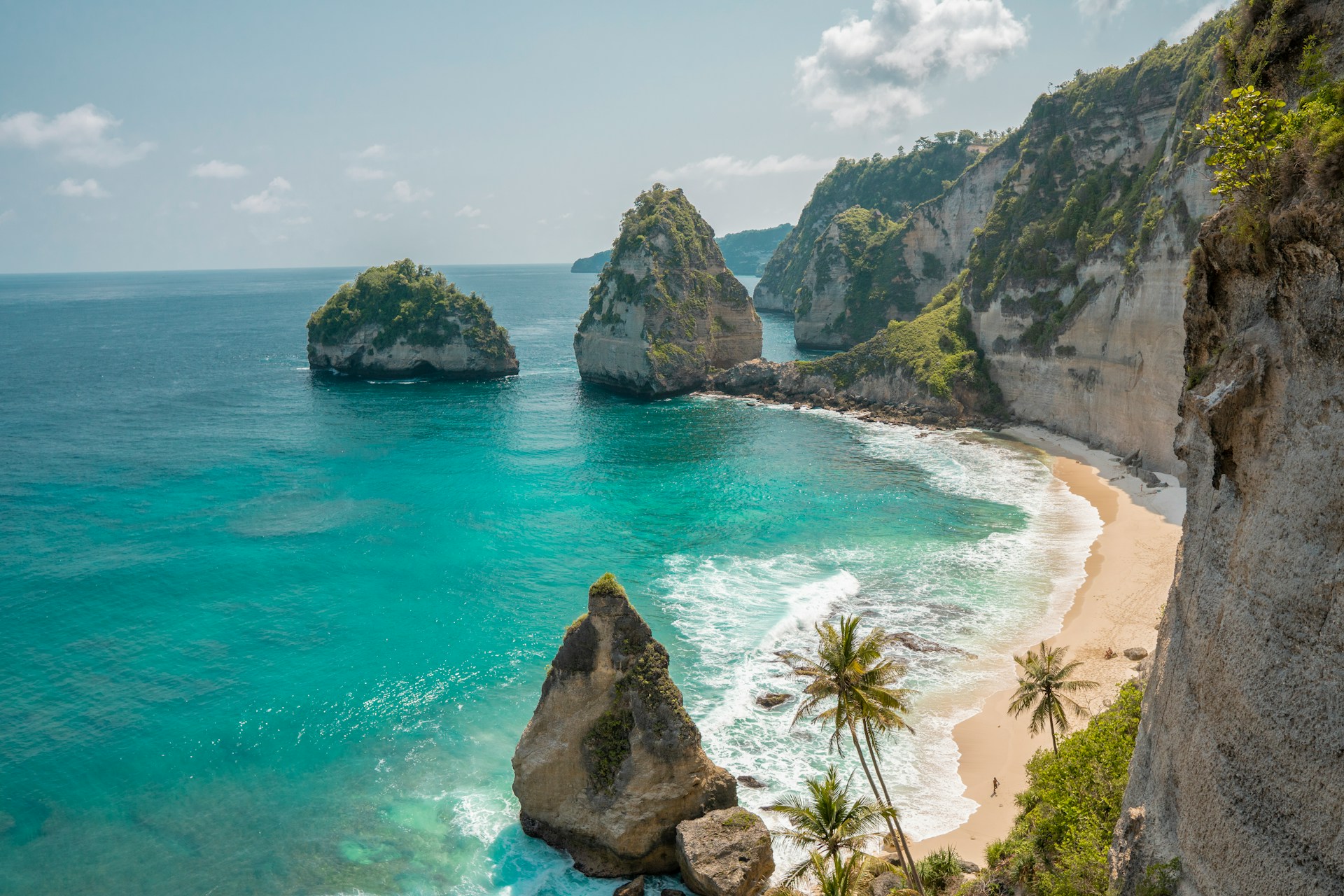
Cross from Sanur to Nusa Penida, a trip of roughly 30 to 45 minutes by fast boat. The crossing can be choppy depending on swell and weather. If you are prone to motion sickness, taking meclizine or scopolamine about an hour before boarding can help, and a provider can advise which is right for you. Spend the day at the Kelingking viewpoint and Diamond Beach, two of Indonesia's most photographed coastlines. The descent to Kelingking beach itself is a steep, informal staircase and is optional; in heat and humidity, plenty of travelers are happy to enjoy the view from the top rather than risk a slip on the way down. Carry water, because shade and shops are limited on the island.
Day 5: Nusa Penida snorkel, return to Bali, transfer to Ubud
Start with a morning snorkel near Manta Point, then take the boat back to the mainland and drive up to Ubud. After sea swims, rinse off and dry thoroughly, especially skin folds. Bali's heat and humidity make fungal skin rashes common, and a cheap topical antifungal in your kit handles most of them before they ruin a day.
Want the health prep for Indonesia?
Get a 60-second pre-trip check: the vaccines, prescriptions, and altitude/seasonality notes that change the plan — built for your exact dates.
Day 6: Ubud culture day
Ubud is the cultural center: the Tegallalang rice terraces, the Campuhan Ridge walk, the Saraswati water temple and the morning markets. This is also the day you will be most tempted by warung food and street stalls, and you should be, the food is a highlight. Lower your odds of trouble by choosing busy places with high turnover, where dishes are cooked to order and served hot rather than sitting out.
Day 7: Mount Batur sunrise trek
Most Batur treks start between 2 and 4 a.m. so you reach the summit for sunrise. The climb gains a few hundred meters over loose volcanic gravel to a summit near 1,717 meters, about 5,633 feet. That elevation sits below the roughly 2,500 meter threshold where acute mountain sickness typically begins, per CDC guidance, so altitude medication is not usually needed here. The genuine risks are the dark pre-dawn footing, dehydration and the cool summit air, so bring a headlamp, water and a light layer. Many tours finish at nearby hot springs.
Day 8: Sidemen valley, east Bali
Drive east to Sidemen, a quiet valley of rice terraces under Mount Agung. This is the decompression day. It is also more rural, which means pharmacies and clinics are farther away, so keep your travel-medicine kit and any prescriptions with you rather than back at the hotel. If a stomach issue has been brewing, this is the day you will be glad you packed oral rehydration salts and an antispasmodic.
Day 9: Transfer south and depart
Drive back toward the airport for your flight home. Keep any remaining medication in your carry-on in its original labeling, and finish your last day the way you started the first: hydrated and unhurried.
Health prep for this trip
The health plan for Bali is front-loaded into food, water and mosquito habits, with a short list of prescriptions to sort before you fly. The CDC recommends that most travelers to Indonesia be vaccinated against hepatitis A and typhoid, both spread through contaminated food and water, so book a travel-clinic visit 4 to 6 weeks out to leave time for any series.
For traveler's diarrhea, most providers in Southeast Asia favor azithromycin as the standby antibiotic because fluoroquinolone resistance is common across the region. A typical course is azithromycin 500 mg once daily for up to three days, used only if you develop moderate to severe symptoms. Pair it with oral rehydration salts and an antispasmodic such as dicyclomine for cramping. These are clinical decisions, so confirm the plan with a licensed provider. You can have your full kit reviewed through the Wandr Bali travel-medicine bundle.
Dengue has no preventive medication, so the entire strategy is bite avoidance. The Aedes mosquitoes that carry it bite mainly in daytime, which catches many travelers off guard, so use an effective repellent during the day and consider permethrin-treated clothing in the rainy season.
What to pack
Pack a compact travel-medicine kit rather than relying on finding things locally, especially for island and rural days. A practical Bali kit includes oral rehydration salts, a standby antibiotic if prescribed, an antispasmodic for cramps, insect repellent with DEET or picaridin, a topical antifungal for heat rashes, broad-spectrum sunscreen, and any personal prescriptions in original packaging. Add a refillable water bottle with a filter to cut down on both plastic and water-borne risk, light layers for the cool Batur summit, and sturdy shoes with grip for the loose volcanic trail.
Best time to go and what to avoid
Bali has two seasons, and they shift the health calculus more than the temperature. The dry season runs roughly May through September and brings lower mosquito activity, firmer trekking trails and clearer Batur sunrises. The rainy season runs about November through March, when dengue risk climbs and trails get slick.
None of this makes the wet season off-limits. It simply means that if you travel from November to March, daytime mosquito protection and a weather buffer day matter more. Dengue notifications in Bali have spiked during recent rainy seasons, so this is a real planning factor rather than a footnote.

Cost expectations
Bali spans the full range. You can do this route comfortably on a mid-range budget, with guesthouses and warung meals keeping daily costs low, or scale up to clifftop villas and private drivers. The fixed costs worth planning for are airport transfers, the Nusa Penida fast boat and island tour, and a guided Mount Batur trek, which is typically required and includes the pre-dawn transport. Indonesia also charges an international tourist levy on arrival to Bali, so check the current amount before you go. Budget a little extra for a proper travel-medicine kit; it is cheap insurance against losing days of an expensive trip. Many travelers find that the few dollars spent on rehydration salts and sunscreen are the best-value items in the entire budget, simply because they protect the days you already paid for.
Day-by-day plan
| Day | What you're doing | Health note |
|---|---|---|
| 1 | Arrive Denpasar, settle in Seminyak Land at DPS, transfer to Seminyak or Canggu, rest at sea level. | Hydrate after the long flight and be cautious with your first meals while your gut adjusts. |
| 2 | Seminyak and Canggu beach day Ease in slowly: beach time, cafes, a sunset at Tanah Lot. | Bottled or filtered water only, and watch ice and raw produce during the high-risk first 72 hours. |
| 3 | Uluwatu and the Bukit Peninsula Clifftop temple, Kecak fire dance at sunset, surf beaches below. | Sun exposure is intense this close to the equator; reapply broad-spectrum sunscreen. |
| 4 | Fast boat to Nusa Penida Cross from Sanur to Nusa Penida; Kelingking viewpoint and Diamond Beach. | The 30 to 45 minute crossing can be rough; take meclizine or scopolamine an hour before boarding if you are prone to motion sickness. |
| 5 | Nusa Penida snorkel, return to Bali, transfer to Ubud Morning snorkel at Manta Point, afternoon ferry back, drive up to Ubud. | Rinse and dry well after sea swims; warm humid skin folds are prone to fungal rashes. |
| 6 | Ubud culture day Tegallalang rice terraces, the Campuhan Ridge walk, Saraswati temple. | Street food and warung meals are a highlight; choose busy stalls with high turnover and food served hot. |
| 7 | Mount Batur sunrise trek Pre-dawn start, two-hour climb to 1,717 meters, sunrise over the caldera, hot springs after. | Batur is below the usual altitude-sickness threshold, so the real risks are the dark early start, loose footing and dehydration. |
| 8 | Sidemen valley, east Bali Slow day in the rice-paddy hills near Mount Agung, far from the crowds. | Rural eastern Bali means fewer pharmacies, so carry your kit and any prescriptions with you. |
| 9 | Transfer south and depart Final morning, drive back toward the airport, fly home. | Pack any leftover medication in your carry-on with original labeling. |
Frequently Asked Questions
Traveler's diarrhea is the most common illness affecting travelers to Southeast Asia, and studies have historically estimated that a large share of visitors to high-risk regions develop it within the first two weeks. Most cases come from contaminated food or water. The standard advice is to drink bottled or filtered water, avoid ice of unknown origin, skip raw or undercooked food, and eat at busy places where food is served hot. Speak with a provider about carrying a standby antibiotic before you travel.
For the standard tourist route, generally no. The CDC Yellow Book classifies Bali, Ubud and the Gili Islands as having no malaria transmission risk. Malaria risk in Indonesia is concentrated in eastern provinces such as Papua and West Papua. If your trip extends to those areas, talk to a provider about prophylaxis, but a south-and-central Bali itinerary like this one does not typically require antimalarials.
For Southeast Asia, providers commonly prescribe azithromycin as the standby antibiotic, because fluoroquinolone resistance is widespread in the region. A typical regimen is azithromycin 500 mg once daily for up to three days, taken only if you develop moderate to severe diarrhea. This is a clinical decision, so discuss it with a licensed provider who can confirm it is appropriate for you.
Generally no. Mount Batur summits at about 1,717 meters, which is below the roughly 2,500 meter threshold where acute mountain sickness typically begins per CDC guidance. Acetazolamide is not usually indicated for Batur. The real challenges are the very early start, loose volcanic gravel underfoot and staying hydrated, not altitude.
Dengue is transmitted year-round in Indonesia but rises during and after the rainy season, roughly November through March, when standing water lets Aedes mosquitoes breed. Bali has reported steep increases in dengue notifications during recent wet seasons. The mosquito bites mainly in daytime, so use repellent during the day, not only at dusk. There is no medication to prevent dengue, so bite avoidance is the main tool.
For most travelers to Indonesia, the CDC recommends being up to date on routine vaccines plus hepatitis A and typhoid, both of which are spread through contaminated food and water. Depending on your activities and length of stay, a provider may also discuss hepatitis B, rabies and Japanese encephalitis. See a travel clinic 4 to 6 weeks before departure so there is time for any multi-dose series. Hepatitis A is typically a single dose that protects for the trip, while typhoid comes as either an injection or an oral series, so booking early gives your provider room to choose the right option for your timeline.
It can be. The crossing from Sanur takes roughly 30 to 45 minutes and conditions vary with the weather and swell. If you are prone to seasickness, consider taking meclizine or scopolamine about an hour before boarding, sit toward the middle of the boat, and keep your eyes on the horizon. Speak with a provider about which option suits you.
The dry season, roughly May through September, generally means lower mosquito activity and easier trekking conditions on Mount Batur. The rainy season from November to March brings higher dengue risk and slippery trails. If you travel in the wet season, the trip is still very doable, but lean harder on daytime mosquito protection and build in weather buffer time.
A practical kit includes oral rehydration salts, a standby antibiotic such as azithromycin if a provider prescribes it, an antispasmodic like dicyclomine for cramping, insect repellent with DEET or picaridin, broad-spectrum sunscreen, and a topical antifungal for heat rashes. Carry it with you on island and rural days when pharmacies are scarce. Build your kit with a licensed provider.
Alec Freling, MD is a board-certified emergency medicine physician and co-founder of Wandr Health with ER experience treating returning travelers.