Alta Via 1 · Dolomites · Italy · Travel Medicine
Eleven days on the high route, rifugio to rifugio, with the prescriptions the kitchens don't keep.
Pack azithromycin, Rx-strength ibuprofen, and dicyclomine before you fly to Venice or Innsbruck. Ready at your pharmacy at home, in your pack by the time you start the climb out of Lago di Braies.
- Physician-founded
- Licensed in all 50 states
- HSA / FSA eligible
- Same-day Rx in most cases
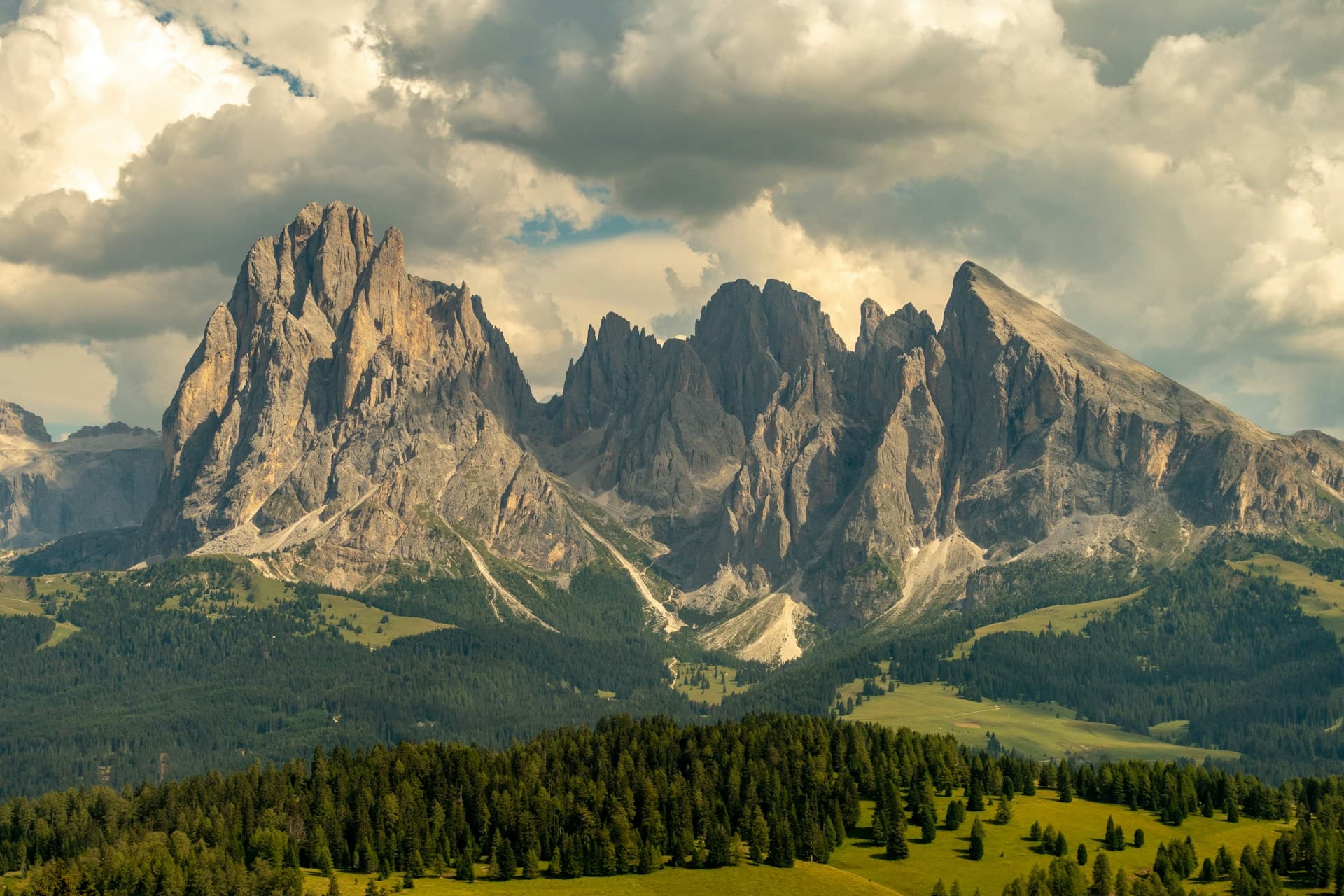
Alta Via 1 covers roughly 120 km from Lago di Braies in the north to Belluno in the south, with about 6,665 m of cumulative ascent over 10 to 12 days. Each night ends at a rifugio — Lagazuoi, Averau, Croda da Lago, Pramperet, Schiara — where dinner is cooked in batches for 40 to 80 trekkers in shared kitchens, breakfast rotates the same dormitory through one bathroom block, and water is filled from communal taps. Italy is low-risk by CDC baseline criteria, but the refuge setup, daily new trekking partners on a popular international route, and the small-village comedori in the valleys you drop into change the practical risk picture. Once you're above Forcella Lagazuoi or out past Rifugio Pramperet, the nearest real pharmacy is back in Cortina d'Ampezzo or down in Belluno, often a full day of trekking plus a transfer. The pre-trip Rx is the difference between losing a rifugio night and finishing the route on schedule.
Italy travel health guide — vaccines, snapshot overview, and what to review before you go.
Orders are reviewed and prescriptions sent to your pharmacy within 24 hours.
Booking questions, platform help, or just not sure where to start, give us a call.
+1 (302) 251-2302Rx at your pharmacy in three steps.
No appointment. No waiting room. Answer a few questions and a licensed provider reviews within hours.
Your destination, dates, health history, and current medications. Takes about 2 minutes.
A licensed clinician reviews your health profile, checks for interactions, and approves your prescription.
- Allergy screen passed
- Drug interactions clear
- Prescription approved
Your approved prescription is sent electronically to the pharmacy of your choice. Pick it up when your pharmacy has it ready.
Skip the appointment. Get the same Rx.
Both columns cover the visit and prescribing only. Your pharmacy bills the medication itself on either side.
Medications in the Alta Via 1 (Dolomites) plan
Alta Via 1 medication FAQ
- Italy is low-risk by CDC baseline criteria, and a long weekend in Rome or Milan does not justify a TD prescription. AV1 is a different setup. You're sleeping in rifugi with 40 to 80 bunks, sharing kitchens and a single bathroom block, rotating new trekking partners from across Europe, and doing it for 10 to 12 days at a stretch. The exposure shape resembles long-haul backpacker travel more than a city break. Once you're at Rifugio Lagazuoi or out past Pramperet on the southern half, the nearest real pharmacy is back in Cortina d'Ampezzo or down in Belluno, often a full trekking day plus a transfer. Having azithromycin, Rx-strength ibuprofen, and dicyclomine in your pack means a bad gut day stays a one-day problem instead of a half-day descent to a pharmacy and a missed rifugio booking.
- Take 500 mg by mouth once daily for 3 days, starting at the first signs of significant diarrhea (typically 3 or more loose stools in 24 hours, or any diarrhea with fever, blood, or severe cramping). Most trekkers feel better within 24 hours of the first dose. Take with water, with or without food. If cramping is the dominant symptom, the dicyclomine in the Trek Pack pairs naturally with the antibiotic course and is what most trekkers say keeps them on the schedule rather than waiting out a day at the rifugio.
- Three prescriptions in one visit. Azithromycin 500 mg once daily for 3 days, to treat bacterial traveler's diarrhea. Prescription-strength ibuprofen for the long alpine descents into the valley huts that punish the knees — Forcella del Lago, the long drop into Rifugio Pramperet, the final descent toward Belluno. Dicyclomine (Bentyl) for the abdominal cramping that usually comes with TD, the medication most trekkers say makes the difference between a 6 a.m. start and a missed connection to the next rifugio. Three risks, three prescriptions, one visit.
- Italian farmacie are excellent and well-stocked, but the practical reality on a 10 to 12 day point-to-point trek is harder. Antibiotics in Italy require a prescription from a locally-licensed physician, which means a clinic visit in Cortina or Belluno. Many rifugi between the two are still a half-day descent away. Pre-trip US Rx is the cleaner setup: you carry what you need in your pack from the first rifugio at Lago di Braies, and you skip the day-off-trail clinic visit when you're most miserable.
- The highest point on AV1 is Forcella del Lago at roughly 2,750 m, but sleeping elevations sit between about 1,400 m and 2,500 m — at or below the 2,500 m AMS threshold CDC uses for sleeping altitude. The defining stressors are cumulative load and TD exposure rather than altitude. If you're adding a via ferrata day above 3,000 m or pairing AV1 with a Marmolada glacier climb, that's a separate conversation that should be handled with a guide's medical setup, not this bundle.
- Orders are reviewed by a US-licensed provider and the Rx is sent electronically to your pharmacy within 24 hours. Most travelers can pick it up the same day.
Walk the Dolomites high route with the prescriptions the rifugi don't dispense.
One visit, three prescriptions for the alpine huts and small valley villages between Lago di Braies, Cortina d'Ampezzo, and Belluno. Reviewed by a US-licensed provider, ready at your pharmacy before you fly to Venice or Innsbruck.