
The 7-Day Uganda Gorilla Trek Itinerary: The Health-Smart Version

This health-smart 7-day Uganda itinerary flies into Entebbe, drives southwest to Bwindi Impenetrable National Park for a mountain gorilla trek, then loops back through a savannah park before departure. Two health factors shape this trip more than anything else, and both are non-negotiable. Uganda requires proof of yellow fever vaccination for entry for travelers 1 year and older, and the CDC recommends antimalarial prophylaxis because malaria, mostly Plasmodium falciparum, is a risk countrywide. A third factor is unique to great apes: because gorillas share roughly 98% of human DNA, anyone with a cough, fever, or cold can be turned back at the trailhead. The Wandr Team build front-loads your yellow fever certificate, an antimalarial you start before arrival, and a respiratory plan so a head cold does not cost you a $800 permit.
A gorilla trek is one of the few trips where your health prep can literally decide whether you get to do the thing you flew across the world for. Uganda gates entry on a yellow fever certificate, the CDC recommends malaria pills for the region, and the parks will turn you back at the trailhead if you show up with a cough. None of that is a reason to skip Bwindi. It is a reason to plan the medical side as carefully as the permit. This 7-day itinerary keeps the route simple, builds in a rest buffer before trek day, and treats your travel-medicine kit as core gear, not an afterthought.
Who this itinerary is for
This is a good fit for reasonably active travelers who want the headline experience, one strictly timed hour with a habituated mountain gorilla family, without overstuffing the week. You do not need to be an athlete, but you should be comfortable with several hours of steep, muddy walking and humidity. The pace here is deliberate: arrival rest, an acclimatization day near Bwindi, the trek, then a calmer savannah finish.
If you are managing a heart or lung condition, are pregnant, or are traveling with older parents or kids, this route still works, but the health planning matters more. The yellow fever vaccine, antimalarial choice, and the physical demand of the trek all deserve a conversation with a provider in advance. Returning travelers who have done African safaris before will find the wildlife familiar; the gorilla-specific rules are what is new.
It is also worth being honest with yourself about the trek itself. There is no shortcut to the gorillas and no vehicle that drives you to them, you walk until you find the family, however long that takes. Most people in moderate shape manage it well with a slow, steady pace and a willingness to take the help of a porter for their daypack. If a multi-hour climb in heat and humidity sounds genuinely miserable to you, this trip may not be the right one, and that is fine to know before you spend on a permit.
The route
The classic Uganda gorilla circuit starts and ends at Entebbe International Airport on the shore of Lake Victoria. From there the prize is Bwindi Impenetrable National Park in the country's far southwest, in the Albertine Rift. Bwindi straddles elevations between roughly 1,160 and 2,607 m, and its dense, steep rainforest is home to nearly half the world's remaining mountain gorillas.
Most itineraries reach Bwindi one of two ways: a scheduled light aircraft to a nearby airstrip, which saves the better part of a day, or a long overland drive through Uganda's hills, which is scenic but winding. This week uses the flight to protect your energy for the trek, then drives the shorter savannah legs.
After the trek, the route loops north to Queen Elizabeth National Park, crossing the equator, for classic savannah game viewing and a boat cruise on the Kazinga Channel before returning to Entebbe. That sequence, forest first while you are fresh, savannah second to wind down, also lines up with the health plan: the cool forest is lower mosquito pressure than the lowland savannah, where you will lean harder on repellent and your antimalarial.

Day-by-day plan
Day 1: Arrive Entebbe, overnight on Lake Victoria
Land at Entebbe, clear immigration with your yellow fever certificate accessible, and transfer to a guesthouse on Lake Victoria to recover from the long-haul flight. Confirm with yourself that you are already taking your antimalarial on the schedule your provider set, since most regimens start before you reach a risk area.
Day 2: Fly or drive southwest toward Bwindi
Take the scheduled light aircraft toward an airstrip near Bwindi, or commit to the long overland drive through the hills. If you drive, the roads are winding, so dose for motion sickness ahead of time and split the transfer into stages with breaks. Either way, keep hydrating.
Day 3: Arrive Bwindi, briefing and acclimatize
Settle near the park sector that holds your permit and attend any pre-trek briefing. Spend the afternoon walking gently, easing into the humidity and the modest elevation. This is your rest buffer: if you have felt a cold coming on, this is the day to flag it, rest, and protect your respiratory health before screening.
Day 4: Mountain gorilla trek in Bwindi Impenetrable Forest
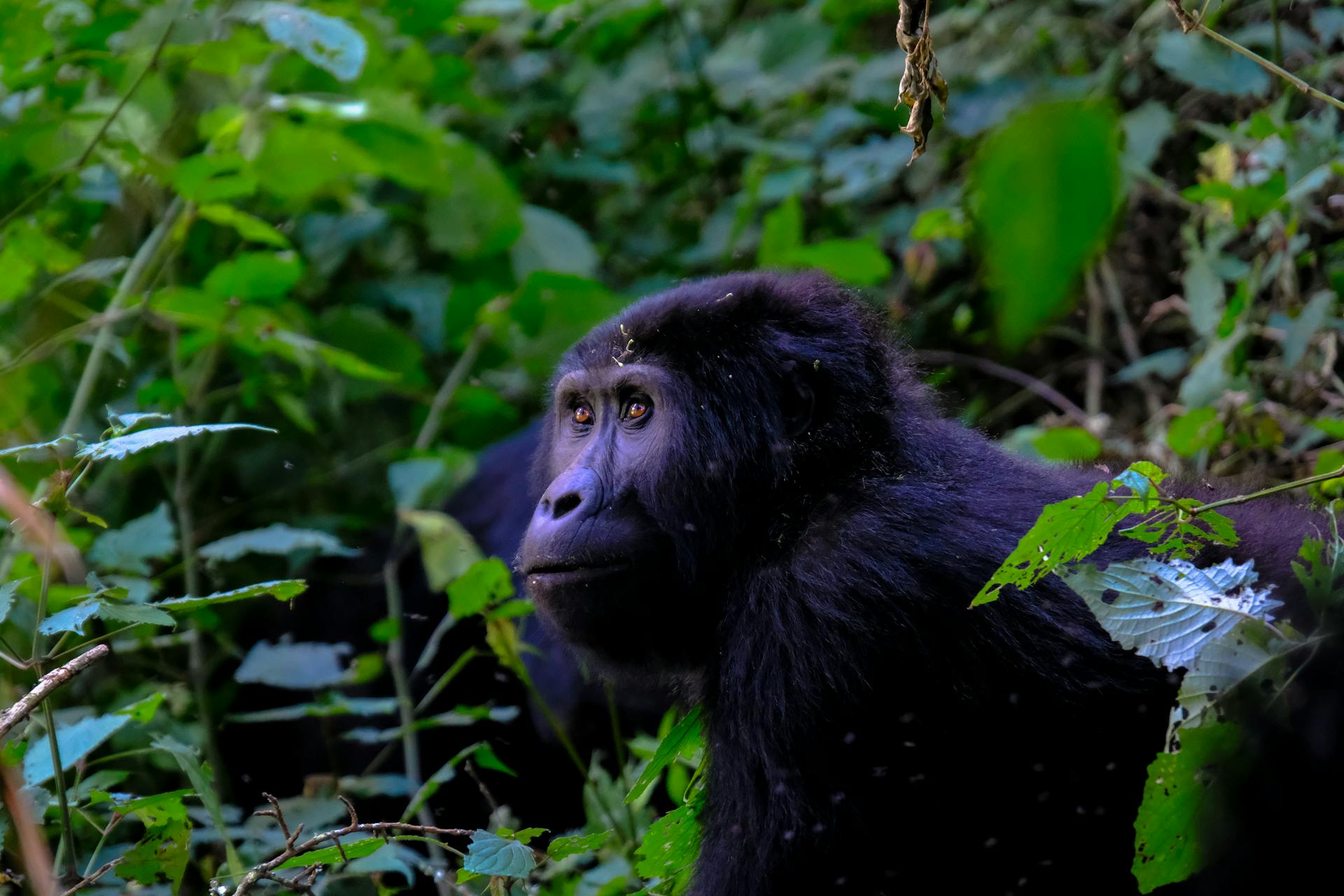
The main event. After a morning briefing you trek with a ranger and trackers through dense forest to your assigned gorilla family. Reaching them can take anywhere from about 1 to 6 hours each way depending on where they moved overnight. You will be health-screened first, and anyone with a cough, fever, cold, or diarrhea can be turned back to protect the gorillas. Masks are commonly required. Once you reach the family, you get one strictly timed hour at a minimum distance set by the rangers.
Want the health prep for Uganda?
Get a 60-second pre-trip check: the vaccines, prescriptions, and altitude/seasonality notes that change the plan — built for your exact dates.
Day 5: Transfer to Queen Elizabeth National Park
Drive north into the open savannah of Queen Elizabeth National Park, crossing the equator on the way. The landscape shifts from cool rainforest to warm grassland, and so does the mosquito picture. Keep your antimalarial exactly on schedule and start reapplying repellent at dusk in the lowlands.
Day 6: Game drive and Kazinga Channel boat cruise
A morning game drive looks for elephants, buffalo, and the park's lions, followed by an afternoon boat cruise on the Kazinga Channel, one of the best places in Africa to see hippos and waterbirds at close range. Stick to bottled or treated water and hot, well-cooked food. Traveler's diarrhea risk is high here, so keep your azithromycin course in your day bag. This is also the day the savannah mosquito picture is most relevant, so plan to be covered up and treated with repellent for the dusk game drive when biting activity climbs.

Day 7: Return to Entebbe and depart
Drive or fly back toward Entebbe for your international flight home. Do not stop your antimalarial at the airport: most regimens continue for a set window after you leave the risk area. Watch for any fever for up to a year after return and tell a doctor about your travel history if one appears.
Health prep for this trip
Three things drive the medical plan for Uganda, and the first two are essentially mandatory.
First, yellow fever. Uganda requires proof of yellow fever vaccination for entry for travelers 1 year and older, and the CDC recommends it for those 9 months and older. The vaccine is typically given at least 10 days before travel and comes with an International Certificate of Vaccination or Prophylaxis you must carry. Book this early at a travel clinic, since a small subset of travelers need a medical waiver instead.
Second, malaria. The CDC notes malaria, predominantly Plasmodium falciparum, is a risk in Uganda, so most travelers on this route should take prophylaxis. Atovaquone-proguanil is one common option that you start before arrival and continue afterward; your provider may choose differently based on your history. Read more on the atovaquone-proguanil page and pair it with day-and-night repellent, since the mosquito that spreads malaria bites mainly at night but daytime biters carry other risks.
Third, the gut and the gorillas. Traveler's diarrhea risk is high across East Africa, so many travelers carry a standby course of azithromycin to self-treat a significant case rather than forfeit a trek day. And because gorillas are vulnerable to human respiratory infections, arriving healthy is part of the plan, not luck. You can build your whole kit from the Uganda gorilla trek travel-medicine bundle, and the broader Uganda destination guide covers the country-level health picture in more depth. As always, speak with a provider to tailor any prescription to you.
What to pack
Pack for rain, mud, and exertion even in the dry season. The essentials: broken-in waterproof hiking boots, gaiters, gardening-style gloves for grabbing vegetation, a rain shell, and quick-dry layers. Bring insect repellent with DEET or picaridin, long sleeves and trousers for dusk, and a daypack with at least two liters of water capacity. For the medical kit, carry your antimalarial, a standby azithromycin course, oral rehydration salts, a thermometer, hand sanitizer, sunscreen, and a couple of well-fitting masks for the trek. Keep your yellow fever certificate and prescriptions in a waterproof pouch.
Best time to go and what to avoid
Gorilla trekking is possible year-round, but trail conditions swing hard with the rain. The drier windows generally make for firmer footing and an easier trek.
Whatever month you choose, Bwindi is a rainforest and rain is possible any day, so waterproof gear is non-negotiable. Malaria risk does not have a clean off-season, so do not relax prophylaxis just because you traveled in a drier month. Avoid skimping on the acclimatization and rest buffer before trek day, since arriving exhausted or with a cold is the most common avoidable reason people lose their permit.
Cost expectations
This is not a budget trip. The single biggest line item beyond flights is the gorilla permit itself, about $800 USD per person for foreign non-residents for a standard Bwindi trek, and it is non-refundable, which is exactly why the health planning pays off. Add lodging, the internal flight or long drive to the southwest, park fees, and a guide, and a week runs into the several-thousand-dollar range per person before international airfare. The vaccines and medications are a small fraction of that total and the cheapest insurance you will buy for the trip.
One more cost-related point worth planning around: build slack into your schedule and consider trip insurance that covers medical issues and missed activities. Because the permit is tied to a specific date and is not refundable, a delayed flight, a stomach bug, or a head cold on the wrong morning can cost you the experience outright. A spare buffer day near Bwindi, the rest day this itinerary builds in, and a kit that lets you self-manage a minor illness are the practical hedges. Spending a little to protect a large, fixed, non-refundable outlay is simply good math for a trip like this.
Day-by-day plan
| Day | What you're doing | Health note |
|---|---|---|
| 1 | Arrive Entebbe, overnight on Lake Victoria Land at Entebbe International Airport, transfer to a nearby Lake Victoria guesthouse, and rest after the long-haul flight. | Have your yellow fever certificate accessible for entry, and confirm you are already on antimalarial prophylaxis per the regimen your provider set. |
| 2 | Fly or drive southwest toward Bwindi Take the scheduled light aircraft to an airstrip near Bwindi, or drive the long road through Uganda's hills. | If driving the winding southwest roads, dose for motion sickness ahead of time and break the long transfer into stages. |
| 3 | Arrive Bwindi, briefing and acclimatize Settle near the park sector holding your permit, attend the ranger briefing, and walk the village to ease into the altitude and humidity. | Bwindi sits between roughly 1,160 and 2,607 m, below the usual altitude-sickness threshold, but the humidity and exertion are real. Hydrate and rest. |
| 4 | Mountain gorilla trek in Bwindi Impenetrable Forest Trek through dense rainforest with a ranger to spend one strictly timed hour with a habituated gorilla family. | You will be screened at the trailhead. Anyone with a cough, fever, cold, or diarrhea can be denied access to protect the gorillas. Masks are commonly required. |
| 5 | Transfer to Queen Elizabeth National Park Drive north into the savannah of Queen Elizabeth National Park, crossing the equator en route. | Keep your antimalarial on schedule. The savannah lowlands carry a higher mosquito burden than the cool forest, so reapply repellent at dusk. |
| 6 | Game drive and Kazinga Channel boat cruise Morning savannah game drive for elephants, buffalo, and lions, then an afternoon boat cruise on the Kazinga Channel. | Stick to bottled or treated water and hot, well-cooked food. Traveler's diarrhea risk is high, so carry your azithromycin course. |
| 7 | Return to Entebbe and depart Drive or fly back to Entebbe for your international departure. | Continue antimalarial dosing through the post-travel window your provider specified, and watch for any fever for up to a year after return. |
Frequently Asked Questions
In most cases yes. Uganda requires proof of yellow fever vaccination for entry for travelers 1 year and older, and the CDC recommends the vaccine for travelers 9 months and older. You receive an International Certificate of Vaccination or Prophylaxis after the shot, which is typically given at least 10 days before travel. Speak with a travel clinic well ahead of departure, since a small number of people qualify for a medical waiver instead.
Most travelers should. The CDC notes malaria, mostly Plasmodium falciparum, is a risk in Uganda, so antimalarial prophylaxis is generally recommended for this itinerary. Bwindi is cooler at altitude but the surrounding region and the savannah parks carry real risk. Atovaquone-proguanil is one commonly used option you start before arrival and continue after you leave. Confirm the right drug and timing with a provider based on your health history.
Yes. Because gorillas share roughly 98% of human DNA, common human respiratory infections can be dangerous to them. Park rules mean anyone showing a cough, fever, cold, flu, or diarrhea can be denied access at the trailhead, and masks are commonly required during viewing. If you feel a cold coming on, tell your guide. Building a rest buffer before trek day and protecting your respiratory health in the days prior genuinely matters here.
Usually not in the classic sense. Bwindi sits roughly between 1,160 and 2,607 m, mostly below the altitude where acute mountain sickness typically begins, around 2,500 m. The real challenges are steep, slippery terrain and high humidity rather than thin air. That said, the trek can be physically demanding, so reasonable fitness helps. If you have heart or lung conditions, discuss the exertion with your provider beforehand.
It varies widely. Reaching a gorilla family can take anywhere from about 1 to 6 hours each way through dense forest on steep, muddy ground. You can often request a group matched to your fitness level when you book. Trekking poles, broken-in waterproof boots, and gloves for grabbing vegetation all help. Pace yourself, hydrate, and tell your ranger if you are struggling, since they adjust the route.
It is high, as in much of East Africa. The most reliable prevention is choosing bottled or treated water and hot, thoroughly cooked food, and washing or sanitizing hands often. Many travelers carry a standby antibiotic such as azithromycin so they can self-treat a significant case rather than lose a trek day. Discuss a self-treatment plan with a provider before you go.
The drier windows, roughly June to August and December to February, generally make for firmer, less slippery forest trails. Bwindi is a rainforest, so rain is possible any month and waterproof gear is wise year-round. Permits for the dry-season peak sell out months ahead, so book early. The wetter months can mean tougher trails but fewer crowds and lower-season pricing.
Permits are limited and tied to specific gorilla families, and a standard Bwindi trekking permit costs about $800 USD per person for foreign non-residents. During peak dry-season months they can sell out three to six months ahead. Lock in your permit and trek date before you finalize flights and vaccines, then back-plan your health prep from that date.
Beyond yellow fever, malaria, and traveler's diarrhea, the CDC generally recommends routine vaccines plus typhoid and hepatitis A for Uganda, and a travel clinic may discuss others based on your plans. Use insect repellent day and night since some mosquitoes bite during the day, and avoid contact with freshwater bodies where schistosomiasis can occur. A pre-trip visit to a travel clinic is the best way to tailor this to you.
The Wandr Team is the editorial group at Wandr Health; every article is reviewed by a licensed clinician before publication.