
The 9-Day Guatemala Itinerary: Antigua, Atitlan and Tikal, The Health-Smart Version
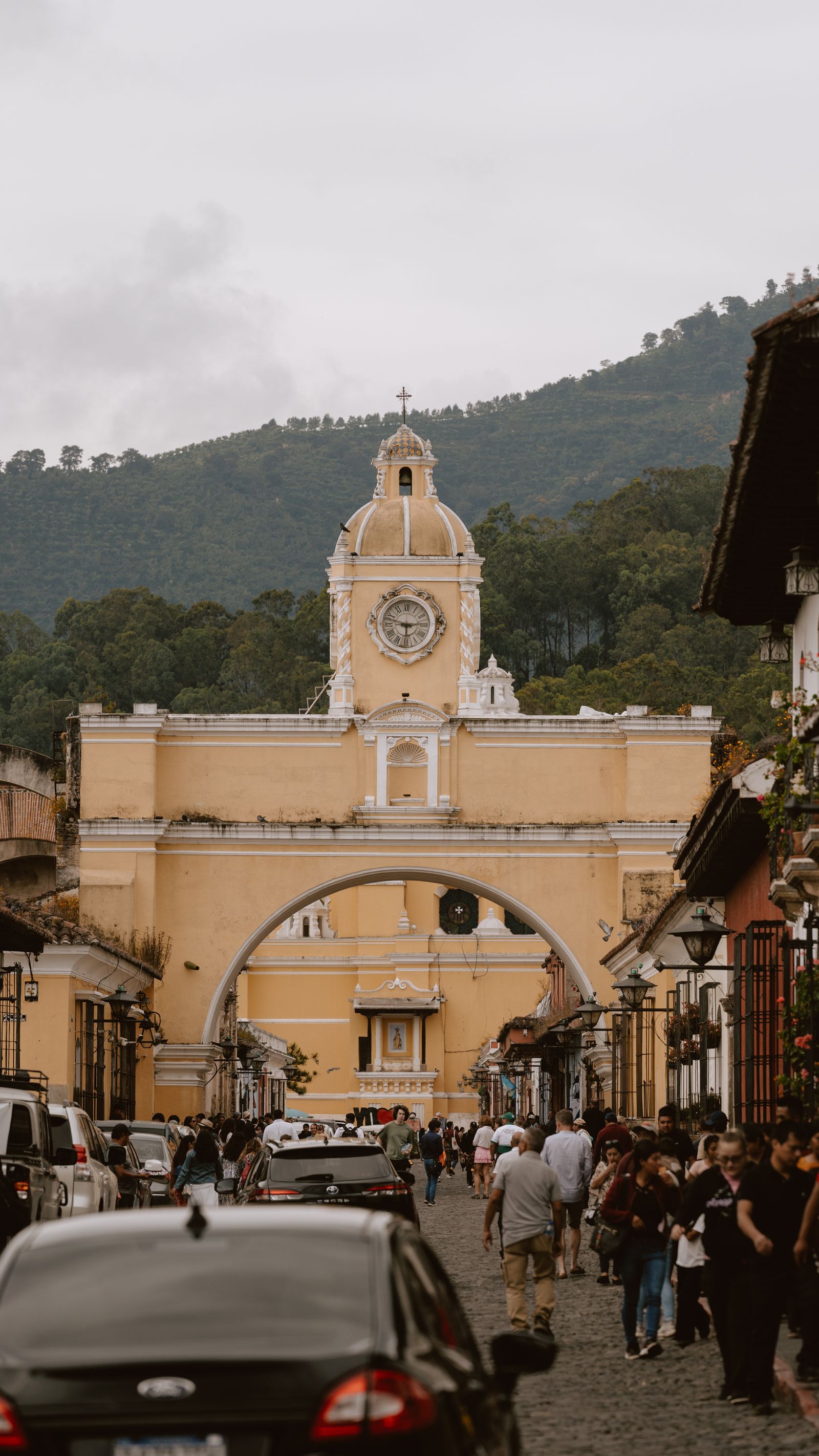
Guatemala splits its health risk by elevation, so the order of your route is the clinical decision. Per the CDC Yellow Book, malaria prophylaxis is recommended only for travelers visiting Alta Verapaz, Baja Verapaz, Escuintla, Izabal and Peten, and Antigua, Guatemala City and Lake Atitlan are explicitly not risk areas. That means atovaquone-proguanil timing keys off where your Tikal leg falls, not off your arrival date. This 9-day route runs highlands first (Antigua at 1,530 m, an Acatenango overnight near 3,600 m, then Lake Atitlan) and drops into lowland Peten at the end, so prophylaxis starts on day 7 and the seven-day post-exposure tail finishes at home. As a PA-C, that is the sequencing I would build first and adjust the sightseeing around.
Most Guatemala itineraries you will find online treat the country as one destination with one health profile. It is not. Guatemala stacks a highland plateau, a string of nearly 4,000 m volcanoes, and a lowland jungle department into a country roughly the size of Tennessee, and the health risk changes sharply between them. Malaria lives in the lowlands and not in the highlands. Altitude illness is a question on exactly one night of this trip. Traveler's diarrhea is the only thing that follows you everywhere. Once you see it that way, the itinerary stops being a list of sights and becomes a sequencing problem, which is the version I would actually build.
Who this itinerary is for
This is a first-timer's route. It assumes you want the three things almost everyone comes for, colonial Antigua, Lake Atitlan, and Tikal, and that you would rather do them in a smart order than cram in a fourth region. Fitness demands are moderate for seven of the nine days: walking cobblestone streets, boat rides, and a lot of standing around ruins. The Acatenango overnight on days 4 and 5 is the outlier and it is genuinely hard, a sustained climb with a heavy pack to a sleeping altitude most travelers have never touched.
If Acatenango is not for you, this route still works. Swap days 4 and 5 for a second day at Lake Atitlan or a day trip to Chichicastenango market, and the altitude planning drops out entirely. That is the point of building the itinerary around elevation bands. You can remove a band without unpicking the rest. What you cannot remove is the Peten leg if you want Tikal, and that leg is the one that comes with a prescription.
The route
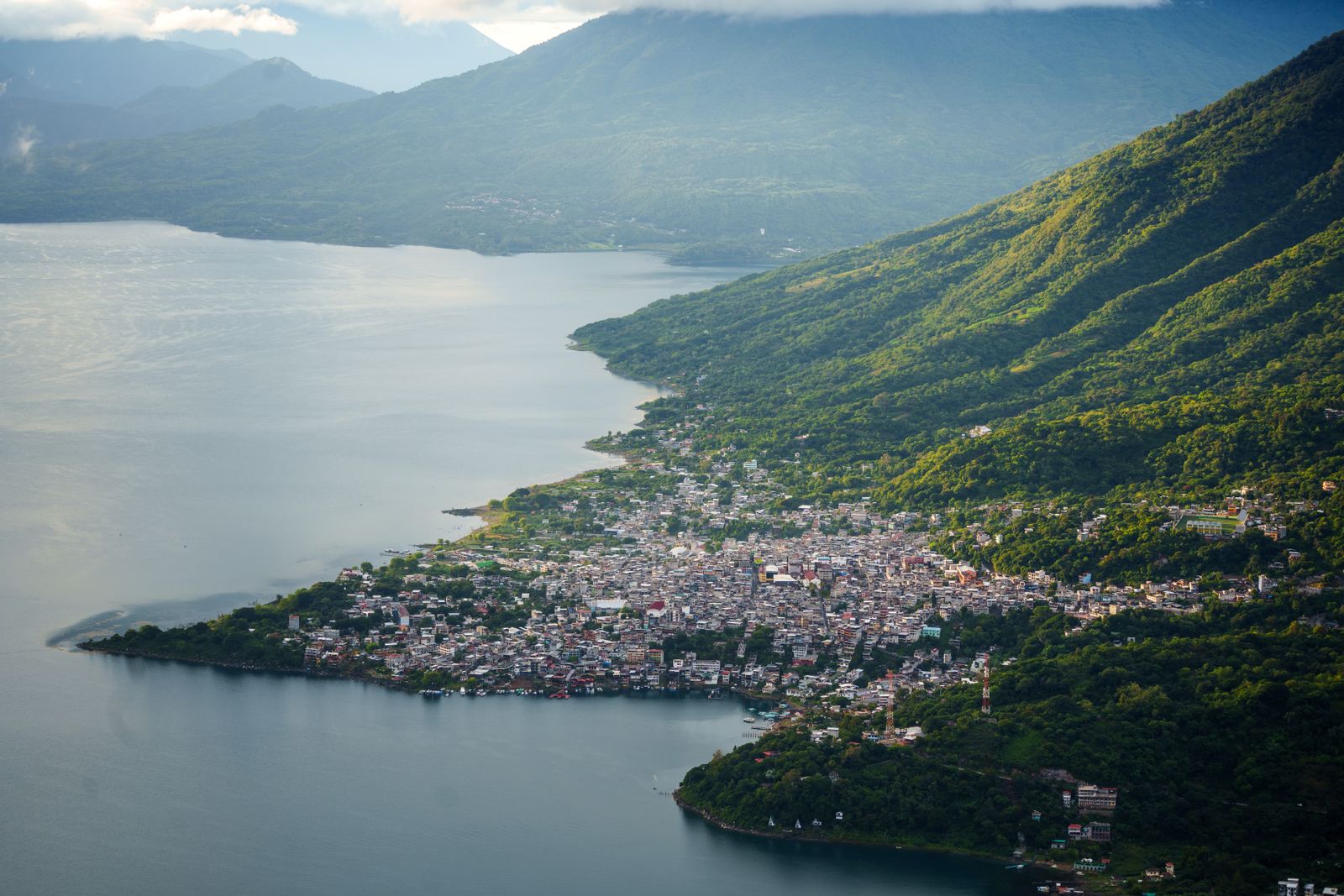
The shape is highlands first, lowlands last, and it is deliberate. You land in Guatemala City at 1,533 m (5,029 ft), transfer straight to Antigua at a similar elevation, and spend five days climbing gradually higher within the Sacatepequez and Solola highlands. Antigua is the base for both Pacaya and Acatenango, so you sleep in one place and let the volcanoes come to you. Then you move west to Lake Atitlan for two days at roughly 1,560 m, which is a genuine rest phase disguised as sightseeing.
Only on day 8 do you drop into Peten, the northern jungle department where Tikal sits. That drop is the single most important decision in the whole plan. Peten is one of five departments where the CDC Yellow Book recommends malaria prophylaxis, and atovaquone-proguanil has to start before you arrive and continue for a week after you leave. Put Peten at the front of the trip and that seven-day tail runs through your Acatenango ascent, stacking a daily malaria pill on top of a possible altitude regimen while you are sleeping in a tent. Put it at the end and the tail runs at home, next to your toothbrush, which is where daily pills actually get taken. The sightseeing is identical. The adherence is not.
Day-by-day plan
Day 1: Arrive Guatemala City, transfer to Antigua
La Aurora airport to Antigua is roughly an hour by road. Do not schedule anything for the afternoon. You have arrived at moderate elevation without noticing it, and most people underestimate how much a travel day plus 1,500 m of altitude flattens them. Start your water routine tonight rather than tomorrow. CDC is direct on this point: tap water is not potable in Guatemala, even in the capital. Bottled water is easy to find, and a filter or UV pen covers you for the rest of the trip.
Day 2: Antigua on foot
Santa Catalina Arch, the ruined convents, Iglesia de la Merced, and the central market. Walk up to Cerro de la Cruz in the late afternoon for the Agua volcano view. This is a deliberately low-effort day and it is doing real work. You are establishing which restaurants and water sources you trust before your body has anything else to cope with, and you are letting the elevation settle before day 3 goes uphill.
Day 3: Pacaya as an altitude rehearsal
Pacaya is a half-day trip from Antigua and reaches 2,552 m (8,373 ft) per CDC's figures. Most people treat it as a warm-up hike. Treat it as diagnostic instead. How you feel at 2,500 m today tells you something useful about tomorrow night at 3,600 m. If you and a provider decided on acetazolamide prophylaxis for Acatenango, CDC's Yellow Book prophylaxis dose is 125 mg twice daily starting roughly 24 hours before ascent, which means today is the start day. Read more on acetazolamide before you decide either way.
Day 4: Acatenango overnight
You leave Antigua mid-morning, start climbing through corn terraces into cloud forest, and reach a ridge camp in the late afternoon facing Volcan de Fuego, which CDC lists at 3,768 m (12,362 ft) and which erupts most nights. This is the only night of the trip where altitude illness is a real question. CDC considers any unacclimatized traveler proceeding to a sleeping altitude at or above roughly 2,450 m (8,000 ft) to be at risk, and camp sits well above that. Watch for headache, nausea, poor sleep, and loss of appetite. Symptoms that are worsening, not just present, are the ones that matter.
Want the health prep for Guatemala?
Get a 60-second pre-trip check: the vaccines, prescriptions, and altitude/seasonality notes that change the plan — built for your exact dates.
Day 5: Summit or descend
The pre-dawn push to Acatenango's crater rim reaches 3,976 m. It is cold, steep, and made of loose volcanic scree. It is also optional, and the honest medical advice is that if you slept badly with a headache that has not improved by morning, the summit is the wrong direction. Descent remains the definitive treatment for altitude symptoms. Either way you are back in Antigua by afternoon with wrecked quads and a hot shower.
Day 6: Transfer to Lake Atitlan
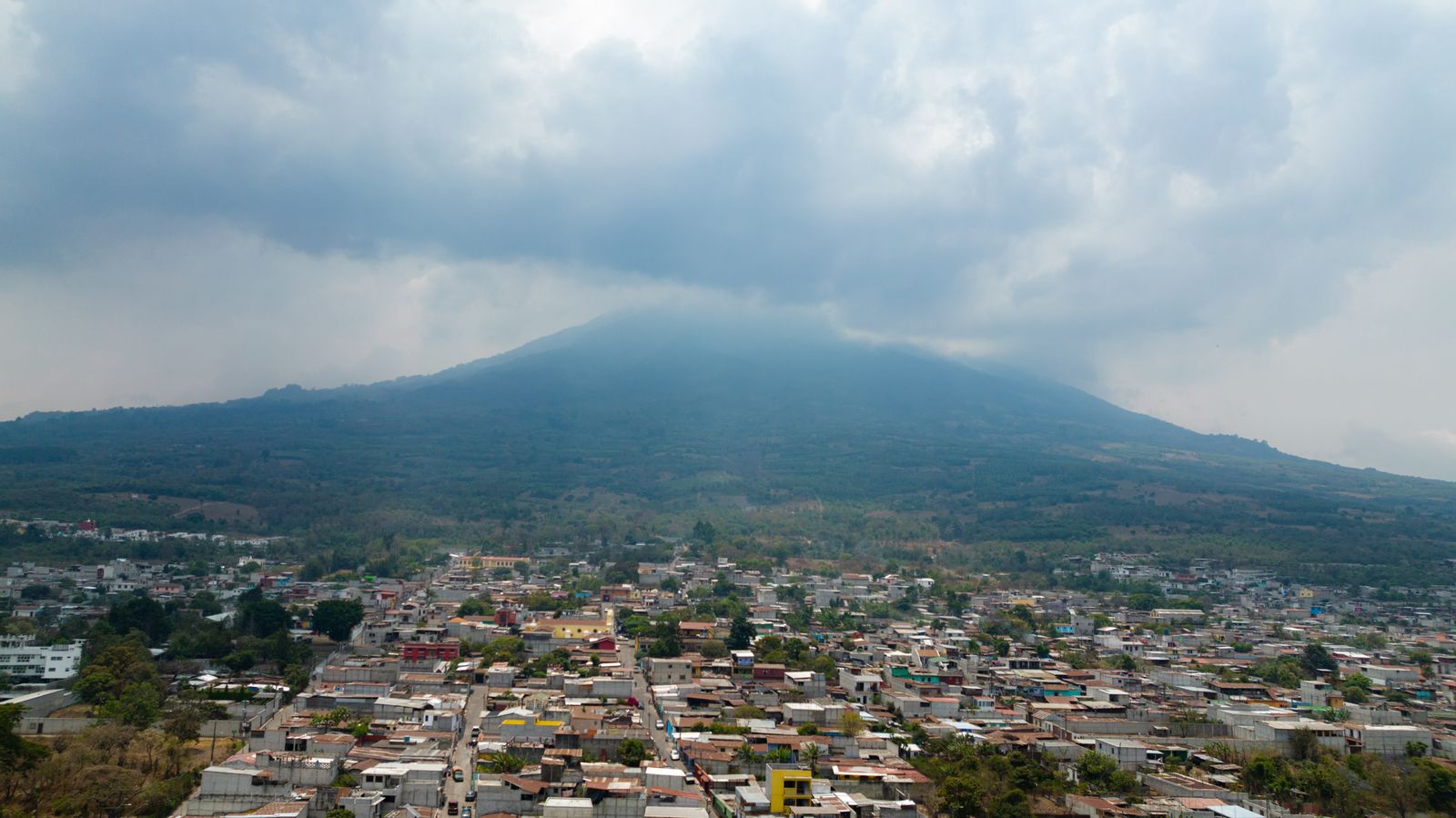
Roughly three hours west, through Chimaltenango and down the switchbacks to Panajachel. Atitlan sits near 1,560 m in a volcanic caldera and is explicitly not a malaria risk area per CDC. Two practical notes: the road is mountainous with steep drop-offs and CDC flags Guatemalan roadways as a genuine injury risk, so use a reputable shuttle and wear the seatbelt. And CDC notes scorpions are more prevalent around Lake Atitlan, so shake out shoes and check bedding in rustic accommodation.
Day 7: Atitlan by boat, and start the malaria course
Public lanchas connect Panajachel to San Juan La Laguna, San Marcos and Santiago Atitlan. San Juan's weaving and natural-dye co-ops are the standout. Today is also a medication day: atovaquone-proguanil prophylaxis is standardly started one to two days before entering a malaria risk area, and you enter Peten tomorrow. Setting a phone alarm now, while you are relaxed on a boat dock, is more reliable than remembering it in an airport queue. The Tikal and Antigua travel medicine kit covers what this leg actually needs.
Day 8: Into Peten
Transfer back toward Guatemala City and fly north to Flores, or take the direct route your operator arranges. You go from 1,560 m to near sea level in under an hour, into humid jungle. Both malaria and dengue circulate here. CDC lists Peten among the departments accounting for most Guatemalan malaria cases, and among the lowland departments reporting dengue annually. Repellent goes on when you land, not when you reach the ruins. Long sleeves at dusk. Air conditioning or screens where you can get them. Flores itself, on its island in Lake Peten Itza, is a pleasant enough evening.
Day 9: Tikal at dawn, then home
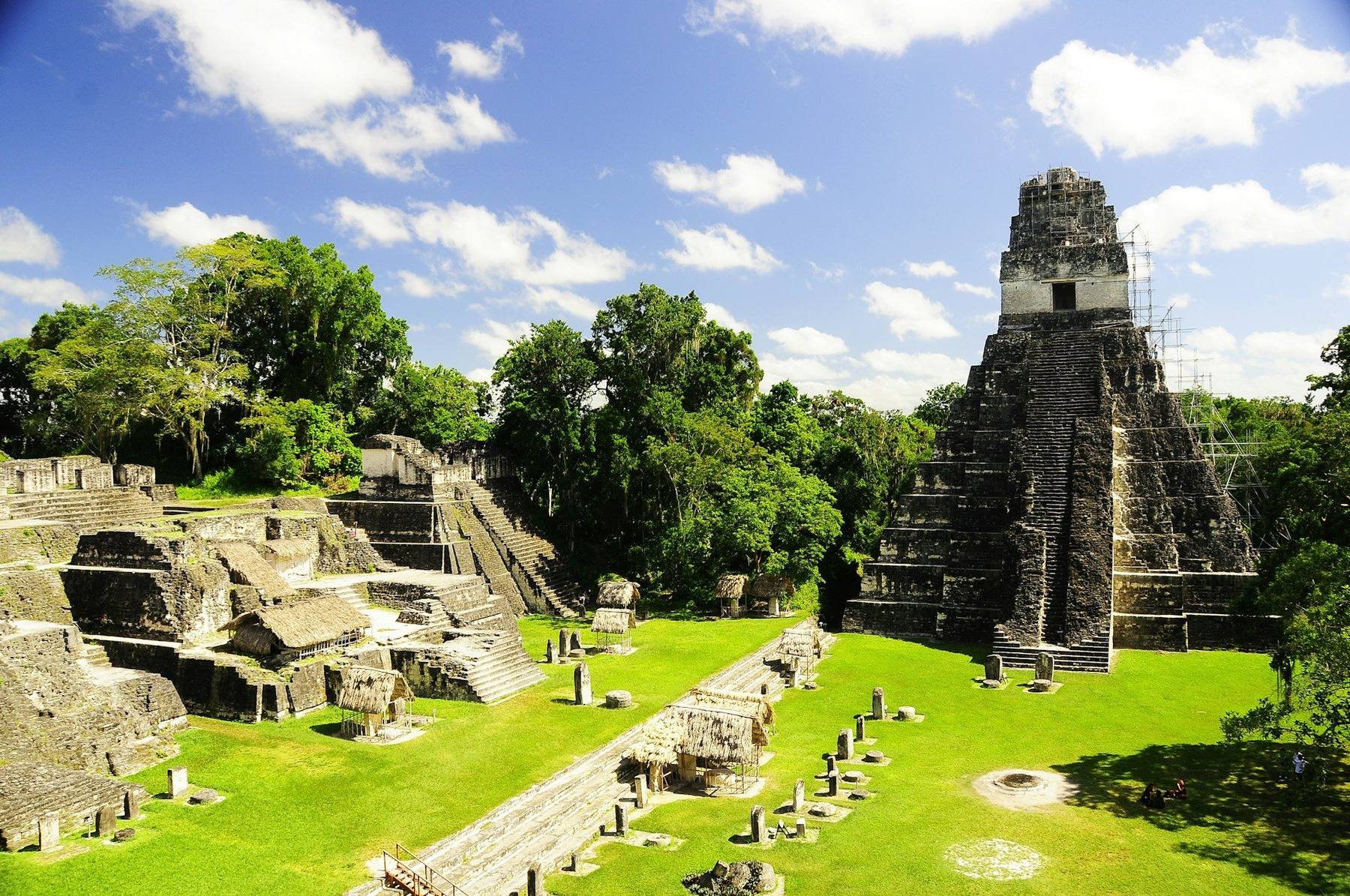
Leave Flores in the dark for the park gates. Temple IV above the canopy at sunrise, howler monkeys that sound considerably larger than they are, and the Great Plaza before the day heat arrives. Then back to Flores for the flight out. Your atovaquone-proguanil course continues for seven days after you leave Peten, which by design is a week spent at home rather than a week spent on a volcano.
Health prep for this trip
Start six to eight weeks out with vaccines. CDC recommends hepatitis A and typhoid for visitors to Guatemala, and advises travelers be current on routine immunizations, noting that regional childhood immunization coverage declined during the COVID-19 pandemic. Rabies pre-exposure vaccination is worth raising with a provider if you plan extended rural hiking, since Guatemala is among the few countries in the Americas still reporting rabies in dogs and rabies immune globulin supply can be uncertain in country.
Prescriptions divide cleanly along the route. Atovaquone-proguanil covers the Peten leg only, started a day or two before day 8 and continued seven days past your last day in the department. Acetazolamide is an Acatenango-only question and only if you and your provider place you in a risk category where prophylaxis makes sense. Azithromycin is the traveler's diarrhea backstop for the whole trip, and dicyclomine handles cramping. Wandr's Guatemala destination guide has the broader country picture, and every prescription here should be reviewed with a licensed provider against your own history.
What to pack
- Water treatment you will actually use: filter bottle, UV pen, or chlorine tablets. Tap water is not potable anywhere in the country.
- DEET or picaridin repellent, plus permethrin-treated clothing if you are sensitive to bites. This does double duty against malaria and dengue.
- High-SPF broad-spectrum sunscreen. UV at 3,900 m on Acatenango is brutal even when it is cold.
- Warm layers and a headlamp for the volcano camp. Overnight temperatures at the ridge drop near freezing.
- Oral rehydration salts, plus your prescribed travel medicine kit.
- Broken-in boots and blister care. Acatenango's descent is the part that hurts.
- Cash. CDC notes payment is often required before medical care is given and US health insurance is not accepted, which is also an argument for travel medical and evacuation insurance.
Best time to go and what to avoid
The dry season, roughly November through April, is the straightforward answer. CDC notes the storm season affecting Guatemala runs from mid-May to November, bringing heavy rain that can trigger catastrophic flooding and landslides even well inland, and warns of increased diarrheal and mosquito-borne illness after those weather events. That is a seasonality argument, not just a comfort one.
One non-weather note: CDC flags that protests and nationwide roadway blockades occur with some regularity in Guatemala and can complicate transit. Build a buffer day before international departures if you can.
Cost expectations
Guatemala is one of the better-value destinations in Latin America, and this route does not require luxury to work. The costs that people underestimate are the internal flight to Flores, the guided Acatenango overnight, and private shuttles between Antigua and Atitlan, which are worth paying for given the road conditions. Medication is the small line item that carries the most weight per dollar. A short prophylaxis course and a diarrhea backstop cost far less than a cut trip or a clinic visit in a country where CDC notes payment is typically required up front and US insurance is not accepted.
Day-by-day plan
| Day | What you're doing | Health note |
|---|---|---|
| 1 | Arrive Guatemala City, transfer to Antigua Land at La Aurora, drive roughly an hour west to Antigua and do nothing ambitious. | You are already at moderate elevation on arrival. Guatemala City sits at 1,533 m (5,029 ft) per the CDC. Drink water, skip the first-night drinks, and start bottled or treated water immediately. |
| 2 | Antigua colonial core and Cerro de la Cruz Santa Catalina Arch, the ruined convents, the market, and a short uphill walk for the volcano view. | A deliberate low-effort day at 1,530 m. Use it to establish your food and water routine before anything strenuous. |
| 3 | Pacaya half-day hike as an altitude test Drive to Pacaya, hike the cinder slopes, back in Antigua by late afternoon. | Pacaya tops out at 2,552 m (8,373 ft) per the CDC. Treat it as a rehearsal for Acatenango. If acetazolamide is part of your plan, most protocols start it about 24 hours before the big ascent. |
| 4 | Acatenango overnight, high camp near 3,600 m Afternoon ascent through farmland and cloud forest to a ridge camp facing Volcan de Fuego. | This is the highest sleeping altitude of the trip. CDC considers any unacclimatized traveler at risk above roughly 2,450 m sleeping altitude, so this is where altitude illness actually becomes a question. |
| 5 | Summit push at dawn, descend to Antigua Optional pre-dawn push toward the 3,976 m crater, then a long knee-punishing descent and a real bed. | Descent is the definitive treatment for altitude symptoms. If a headache is not improving overnight at camp, go down rather than up. |
| 6 | Transfer to Lake Atitlan, settle in Panajachel Roughly three hours west through the highlands to the lake, arriving with the afternoon light. | Atitlan sits near 1,560 m and is not a malaria risk area. Scorpions are more common around the lake, so shake out shoes and bedding. |
| 7 | Atitlan villages by boat, start malaria prophylaxis Lancha across to San Juan La Laguna and Santiago Atitlan, weaving co-ops and Maya textile workshops. | Start atovaquone-proguanil today. Standard prophylaxis begins one to two days before entering a malaria risk area, and your Peten leg starts tomorrow. |
| 8 | Fly to Flores, drop into lowland Peten Back toward Guatemala City or a shuttle to the airstrip, then the short flight north to Flores and Lake Peten Itza. | You have just gone from 1,560 m to near sea level in a jungle department. Malaria and dengue both live here. Repellent from the moment you land, not from the moment you reach the ruins. |
| 9 | Tikal at sunrise, then fly out Pre-dawn entry to the Tikal complex, Temple IV above the canopy, howler monkeys, then the flight home. | Keep taking atovaquone-proguanil for seven days after leaving Peten. That tail runs at home, which is exactly why this route puts the lowlands last. |
Frequently Asked Questions
It depends entirely on where you go. Per the CDC Yellow Book, prophylaxis against Plasmodium vivax malaria is recommended only for travelers visiting Alta Verapaz, Baja Verapaz, Escuintla, Izabal and Peten. CDC states plainly that Antigua, Guatemala City and Lake Atitlan are not considered risk areas. A trip that stays in the highlands generally does not need chemoprophylaxis, while a trip that includes Tikal, which sits in Peten, usually does. Speak with a provider about your specific route.
Atovaquone-proguanil prophylaxis is typically started one to two days before entering a malaria risk area, taken daily, and continued for seven days after leaving. On this itinerary that means starting around day 7 while you are still at Lake Atitlan, not on arrival in Guatemala. Because the Peten leg is at the end, most of the seven-day tail happens after you fly home. Confirm dosing with a licensed provider.
That is a personal call, but the risk framing helps. CDC notes malaria cases have been declining in Guatemala in recent years, and the species of concern in the risk departments is Plasmodium vivax rather than falciparum. Most travelers who commit to Peten choose prophylaxis plus rigorous bite prevention, since the same mosquito precautions also reduce dengue and chikungunya risk, for which there is no prophylactic pill.
Possibly. The Acatenango overnight puts most travelers at a sleeping altitude near 3,600 m with a summit around 3,976 m, and CDC considers unacclimatized travelers at risk for altitude illness at sleeping altitudes at or above roughly 2,450 m. CDC's listed prophylaxis dose for acetazolamide is 125 mg twice daily starting about 24 hours before ascent. Whether you fall into the low, medium or high risk category depends on your history, so this is a conversation to have with a provider rather than a default yes.
No. CDC states directly that tap water is not potable in Guatemala, even in the capital. Bottled water is widely available, and boiling, filtration, chlorination or UV disinfection are all reasonable options. Travelers' diarrhea commonly affects visitors, so this matters on day one in Antigua just as much as it does in the jungle.
CDC recommends hepatitis A and typhoid vaccines for visitors to Guatemala, and advises that travelers be up to date on routine immunizations including measles, since childhood immunization rates in the region declined during the COVID-19 pandemic. Pre-exposure rabies vaccination is worth discussing if you plan extended rural hiking or camping, because Guatemala is among the few countries in the Americas still reporting rabies in dogs. Yellow fever is not a risk in Guatemala.
It is worth mosquito precautions. CDC reports that Guatemala recorded record high dengue cases in 2024, and that while warmer lowland departments report cases annually, an increasing number of dengue cases have been reported in Sacatepequez, where Antigua sits, and in Guatemala City. Highland travelers have more limited exposure than lowland travelers, but repellent and covered clothing at dusk are reasonable everywhere on this route.
November through April, the dry season, is generally easiest. CDC notes the Atlantic and Pacific storm season runs from mid-May to November, with heavy rain that can cause flooding and landslides, and warns that diarrheal and mosquito-borne illness can increase after those weather events. Acatenango views are also more reliable in dry-season months, and the Tikal trails are less punishing without daily downpours.
For this route, most travelers carry a water treatment method, DEET or picaridin repellent, sunscreen for high-elevation UV, oral rehydration salts, and prescriptions matched to the plan: azithromycin for significant travelers' diarrhea, dicyclomine for cramping, acetazolamide if you and your provider chose altitude prophylaxis, and atovaquone-proguanil for the Peten leg. Add blister care and a knee brace if you are doing Acatenango. Discuss all prescriptions with a licensed provider before you travel.
Fuego is persistently active and the eruptions are the reason people camp on Acatenango's ridge, but this is a real hazard, not scenery. CDC notes that 2018 eruptions from Volcan de Fuego caused landslides that killed over 200 people, and advises travelers to follow local news on volcanic activity, work only with reputable guides, and use caution around active volcanoes. Check the current alert level before you book and do not attempt the Fuego saddle without a guide.
Mark Karam, PA-C is a board-certified Physician Associate with emergency and urgent care experience and co-founder of Wandr Health.