
Travel Health Guide: Puerto Rico — Dengue Emergency, Leptospirosis, Mongoose Rabies, and What U.S. Travelers Underestimate
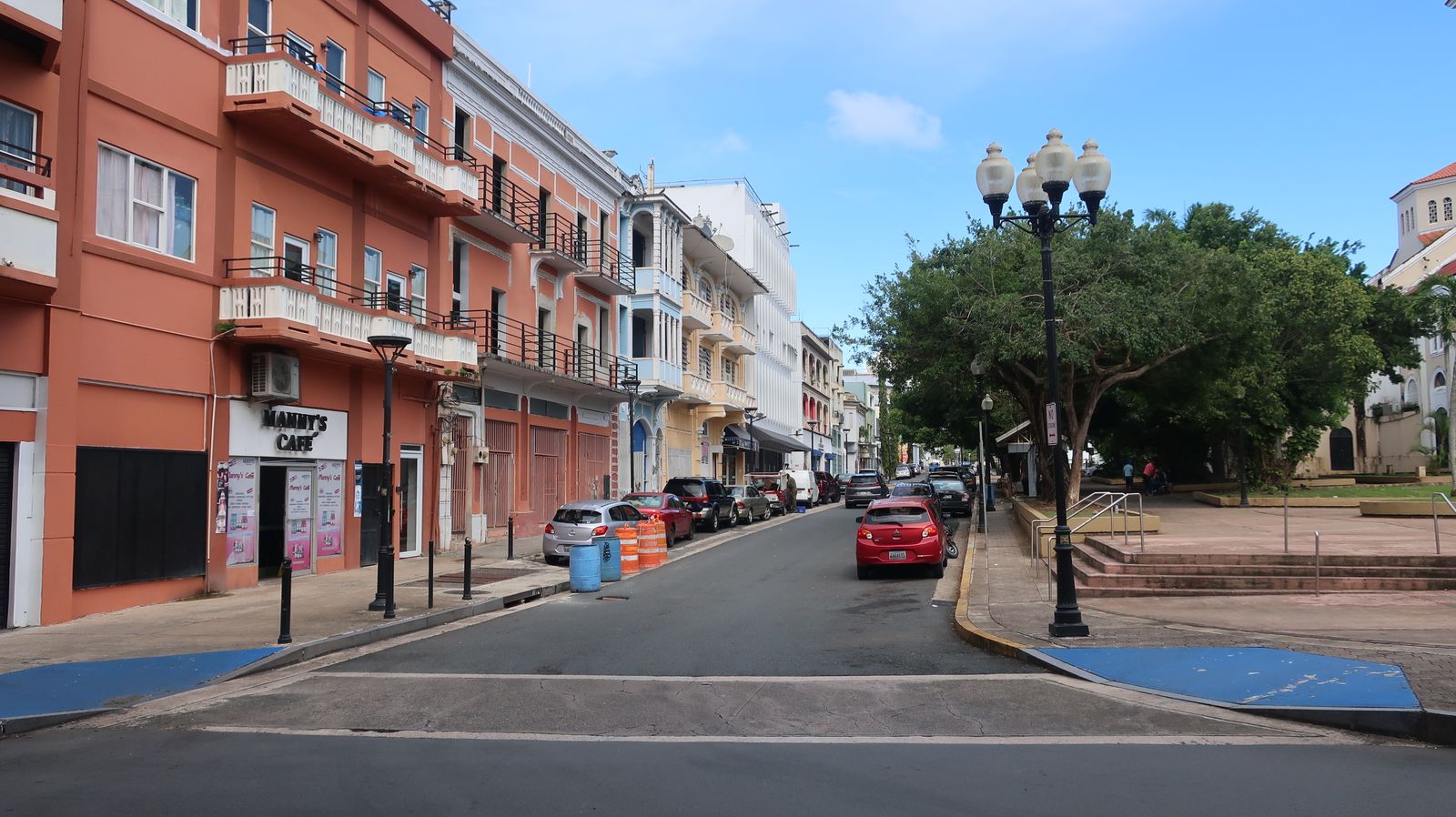
A physician-reviewed travel health guide to Puerto Rico. Dengue public health emergency, vaccines, leptospirosis in El Yunque, mongoose rabies, marine hazards, and hurricane season.
Travel Health Guide: Puerto Rico
Puerto Rico is a U.S. territory, no passport is required for U.S. citizens, and no vaccines are legally required for entry, which is exactly why most travelers under-prepare. The CDC recommends that travelers be up to date on routine U.S. vaccines (MMR, Tdap, polio, varicella, influenza) and consider hepatitis A, hepatitis B, typhoid, and rabies based on itinerary. The big story right now is dengue: the Puerto Rico Department of Health declared a public health emergency in March 2024 after cases crossed the epidemic threshold, the declaration was extended through December 2025, and the island reported more than 9,500 dengue cases across 2024 and 2025 combined per CDC MMWR data. Approximately half of 2024 cases were hospitalized. There is no FDA-approved dengue vaccine for U.S. travelers, so prevention runs entirely through repellent, clothing, and air conditioning. Puerto Rico is WHO-certified malaria-free, so no antimalarials are needed. Plan vaccines four to six weeks before departure; for last-minute trips, even a single pre-departure hepatitis A dose protects approximately 95%.
Quick Facts
- Region: Caribbean (Greater Antilles, U.S. unincorporated territory)
- CDC Risk Level: Standard Precautions (with a separate active dengue notice)
- Legally required vaccines for U.S. travelers: None
- CDC-recommended vaccines: Routine series (MMR, Tdap, polio, varicella, influenza), hepatitis A for nearly all travelers, hepatitis B for many adults under universal ACIP recommendation, typhoid for off-resort or family-stay travelers, rabies for long stays, cave exploration, wildlife work, or rural outdoor adventure
- Malaria: None (WHO-certified malaria-free, no antimalarials required)
- Key infectious risks: Dengue (year-round, active emergency, peaks August to November), leptospirosis (freshwater hiking, post-storm flooding), chikungunya (endemic since 2014), Zika (low-level transmission, pregnancy precautions), traveler's diarrhea (Campylobacter, ETEC, norovirus on cruise ships), mongoose-driven rabies in rural and outdoor settings
- Key non-infectious risks: Sun and heat exposure, rip currents (especially north and west coasts), marine envenomations (jellyfish, sea urchin, lionfish), ciguatera fish poisoning, sargassum-related respiratory irritation, hurricane season (June 1 to November 30)
- Travel insurance: Recommended (mainland U.S. health plans have inconsistent reciprocity with Puerto Rico providers; medical evacuation from Vieques or Culebra to San Juan or Miami can run into the tens of thousands of dollars)
Why Puerto Rico Looks Easier Than It Is
Puerto Rico is one of the easiest international-feeling trips a U.S. traveler can take. There is no passport, no currency exchange, no language barrier in major tourist areas, and U.S. cell carriers work without roaming. The CDC's destination page lists "Standard Precautions" rather than a country-style risk tier, and the official tourism site emphasizes that no vaccines are required. Travelers read that and skip the pre-trip checklist they would never skip for the Dominican Republic or Mexico. Then they fly home with a dengue infection, a leptospirosis-driven flu-like illness ten days after splashing through a stream, or a souvenir case of Campylobacter from an off-resort food court.
The reality on the ground in 2026 is that Puerto Rico has been managing an active dengue outbreak for more than two years. Puerto Rico Department of Health surveillance, summarized in CDC's MMWR, documented 6,291 dengue cases in 2024 (191.4 per 100,000 residents) with approximately 52% of cases hospitalized, 4.2% meeting severe-dengue criteria, and 11 deaths. Cases continued to track well above the epidemic threshold into 2025, and CDC's HAN advisory on dengue testing in U.S. jurisdictions remained active through early 2026. Climate, hurricane recovery infrastructure, and Aedes aegypti mosquito density across the island mean dengue is no longer a "rainy-season only" risk; it is a year-round consideration that simply gets worse in the May-to-November rainy months.
Take this with you: book a pre-trip health check online before you go and bring a traveler's diarrhea kit. Both are cheaper and faster than a Bayamon or Mayaguez urgent care visit. → Book your Puerto Rico pre-trip health check
Vaccines for Puerto Rico
Routine U.S. Vaccines (Verify Before You Go)
The CDC recommends that every international and inter-jurisdictional traveler be current on routine U.S. vaccines, and travelers to Puerto Rico are no exception. The four most commonly out-of-date in our patients:
- MMR (measles, mumps, rubella): 2026 has been an active global measles year. The CDC posted a Level 1 Travel Health Notice for measles globally in early 2026, and Puerto Rico's small but mobile international population (cruise ships, Miami-San Juan air corridor, return travelers from Latin America) means an imported case can spark a local cluster. Adults born in 1957 or later need two documented doses. Travelers vaccinated between 1963 and 1967 with the killed-virus formulation should be revaccinated.
- Tdap (tetanus, diphtheria, pertussis): Booster every 10 years, sooner if you sustain a dirty wound and your last dose was more than 5 years ago. Hurricane cleanup, beach injuries, and barefoot island travel all raise the relevance of an in-date booster.
- Polio: Most U.S. adults completed the primary series in childhood and do not need a booster for Puerto Rico itself. If your itinerary includes a connection through a country listed on the WHO temporary recommendations for polio (Afghanistan, Pakistan, Yemen, Ethiopia, Sudan, DRC, Nigeria, Madagascar, Indonesia, Mozambique, Burkina Faso, and others), a single adult IPV booster is recommended.
- Influenza: Flu is the most common vaccine-preventable disease in travelers, with approximately one case per 100 travelers per month abroad. Cruise ships and crowded resort settings amplify transmission. Get your annual flu shot before you board.
→ Learn more: Travel Vaccines Guide
Hepatitis A (Universally Recommended)
Hepatitis A vaccination is part of the routine U.S. childhood schedule since 2006, so most travelers born in the past two decades are already protected. Adults born before then may not be. The CDC recommends hepatitis A for nearly all travelers to the Caribbean, including Puerto Rico, because food and water exposures (street-food kiosks, off-resort family meals, hurricane-disrupted water systems) can introduce risk. One pre-departure dose of inactivated hepatitis A vaccine provides approximately 95% protection within two to four weeks. A second dose six months later confers long-term immunity.
→ Learn more: Hepatitis A Vaccine for Travelers
Hepatitis B (ACIP Universal Recommendation for Adults 19-59)
The CDC's Advisory Committee on Immunization Practices issued a universal hepatitis B recommendation for all adults 19 to 59 years old in 2022, with shared clinical decision-making for adults 60 and older. For Puerto Rico, hepatitis B exposure routes that come up in our patients include unplanned medical or dental care after an injury, tattoos and piercings (popular in Old San Juan), sexual contact with new partners, and longer working stays. The standard Engerix or Recombivax schedule is three doses at 0, 1, and 6 months; Heplisav-B is a two-dose adult formulation completed in 30 days, which is the better fit for travelers with a short pre-departure window.
→ Learn more: Hepatitis B Vaccine for Travelers
Typhoid (Selective)
Typhoid is not endemic in Puerto Rico, and the routine all-inclusive resort traveler does not need it. We recommend it selectively for travelers staying with family or in private homes (especially in older neighborhoods of San Juan, Bayamon, or Ponce where municipal water service has been disrupted by past hurricanes), travelers planning extensive off-resort street food, long-stay students, and travelers heading on to a higher-risk Caribbean or Latin American leg after Puerto Rico. The oral Vivotif series (four capsules over a week) protects roughly five years; the injectable Typhim Vi protects two years.
→ Learn more: Typhoid Vaccine for Travelers
Rabies (Selective)
Puerto Rico is one of the more interesting rabies stories in the United States. Canine rabies is well controlled, but the island has a long-running mongoose-driven sylvatic rabies cycle: an estimated two million small Indian mongoose live on the island, surveillance studies have identified rabies antibodies in roughly 2% of tested mongoose, and Puerto Rico documents a small but persistent stream of human PEP administrations each year, with mongoose responsible for approximately 80% of confirmed animal-rabies cases. Bat-rabies has not been definitively documented in Puerto Rican bats, but the island has 13 native bat species and absence of evidence is not evidence of absence. Pre-exposure rabies prophylaxis is reasonable for cave explorers (Cueva Ventana, Río Camuy Cave Park, the Mona Island system), long-stay travelers, wildlife workers, and rural hikers who may encounter aggressive mongoose. The modern two-dose pre-exposure schedule is given on days 0 and 7.
→ Learn more: Rabies Vaccine for Travelers
How Vaccines Work on Wandr
For travel vaccines, Wandr schedules your appointment at a partner pharmacy near you. You pick a Walgreens location and a time, and the pharmacist administers the vaccines on-site under standing orders. No separate doctor visit, no calling three pharmacies to ask whether they have hepatitis A in stock.
→ Book your travel vaccine appointment online
Dengue: The Single Most Important Risk for Puerto Rico Travelers in 2026
Dengue is transmitted by the Aedes aegypti mosquito, which bites primarily during the day, breeds in small containers of standing water (tires, planters, gutters, bromeliads in El Yunque), and is now established across all 78 municipalities of Puerto Rico. Symptoms typically begin four to seven days after a bite: high fever (often 102 to 104 F), severe headache, retro-orbital eye pain, severe muscle and joint pain (hence the historic name "breakbone fever"), nausea and vomiting, and a characteristic rash that usually appears two to five days into illness. Approximately one in 20 dengue cases progresses to severe dengue, with warning signs that include persistent abdominal pain, mucosal bleeding, rapid breathing, lethargy, restlessness, and a rapid drop in platelets. Severe dengue is a medical emergency.
The 2024 to 2025 outbreak made several things clear for U.S. travelers heading to Puerto Rico:
- There is no approved dengue vaccine for adult U.S. travelers. Dengvaxia is available within Puerto Rico's pediatric program for children 9 to 16 years old who have laboratory-confirmed prior dengue infection. The manufacturer has discontinued global Dengvaxia production, and existing doses are expected to expire in 2026. The next-generation Qdenga vaccine is not yet FDA-approved.
- Prevention is mosquito control. The CDC recommends EPA-registered repellents containing 20 to 50% DEET, 20% picaridin, IR3535, or oil of lemon eucalyptus (not for children under three). Apply repellent over sunscreen, not under it. Wear long sleeves and long pants in early morning and late afternoon. Sleep in air-conditioned or well-screened rooms.
- A second dengue infection is more dangerous than the first. Antibody-dependent enhancement means that travelers who have had dengue before (even decades earlier in another country) face a higher risk of severe disease the second time. If you or a family member has a history of dengue, your prevention bar in Puerto Rico is higher, not lower.
If you develop fever within two weeks of returning from Puerto Rico, tell your clinician you traveled there and ask for dengue NS1/IgM testing. Do not take aspirin or ibuprofen for fever, as both can worsen bleeding risk. Acetaminophen is the safe choice while testing is pending.
→ Learn more: Dengue Fever in Travelers: Prevention, Symptoms & Treatment
Leptospirosis: The Underrated El Yunque Risk
Leptospirosis is a bacterial infection spread through contact with water or wet soil contaminated by animal urine (most often rats, dogs, and livestock). Puerto Rico has long-standing endemic leptospirosis, and post-hurricane surveillance has repeatedly documented post-storm spikes (Hurricane Maria in 2017 and Hurricane Fiona in 2022 both triggered confirmed clusters). The risk environment for travelers is concrete and easy to identify:
- Swimming, wading, or splashing in freshwater streams, rivers, or waterfalls in El Yunque National Forest (especially after recent rain)
- Hiking through muddy or flooded trails after a tropical storm
- Working or volunteering in hurricane-cleanup or rebuilding crews
- Adventure sports like canyoning and ziplining over rivers in central Puerto Rico (Utuado, Naranjito, Orocovis)
Leptospirosis typically incubates for five to 14 days and presents like a flu (high fever, severe headache, muscle pain especially in the calves, red eyes, sometimes a rash). A subset of patients progress to Weil's disease with jaundice, kidney failure, and pulmonary hemorrhage. Doxycycline is both the treatment and a recognized pre-exposure prophylaxis option (200 mg weekly) for short, high-risk freshwater exposures; that decision should be individualized with a clinician. The simpler prevention: keep your head above water in El Yunque, do not wade through flooded streets after a storm, cover open wounds with waterproof dressings, and rinse off in clean water after any freshwater swim.
Traveler's Diarrhea in Puerto Rico
Puerto Rico's tap water in major cities is generally safe to drink under U.S. EPA standards, and most resorts, restaurants, and hotels operate to mainland-equivalent food-safety codes. Traveler's diarrhea still occurs, however, with the most common culprits being Campylobacter (often from undercooked poultry), enterotoxigenic E. coli, Salmonella, and norovirus, which is the dominant pathogen on cruise ships sailing from San Juan. A standard Wandr traveler's diarrhea kit for the Caribbean leans on azithromycin as the first-line antibiotic rather than ciprofloxacin, because Campylobacter resistance to fluoroquinolones is widespread across the region. A typical kit:
- Azithromycin 500 mg: Three tablets (one tablet daily for three days, or a single 1,000 mg dose for moderate-to-severe diarrhea). Effective against Campylobacter, Shigella, and most ETEC.
- Loperamide (Imodium): For symptom control on long bus or flight days; do not use if you have bloody stools or high fever.
- Oral rehydration salts: A packet stirred into a liter of bottled water beats Pedialyte for cost and portability.
→ Learn more: Ciprofloxacin vs Azithromycin for Traveler's Diarrhea
Other Mosquito-Borne Diseases
Chikungunya
Puerto Rico was an early Americas hotspot in the 2013 to 2014 chikungunya outbreak, and the virus remains endemic with sporadic local transmission. Symptoms overlap heavily with dengue (high fever, severe joint pain that often lasts months, rash), but mortality is lower and the hallmark feature is debilitating arthralgia. The FDA approved Ixchiq in 2023 and Vimkunya in 2025; both are reasonable considerations for high-risk travelers, with ACIP guidance preferring Vimkunya in adults 65 and older after the 2024 to 2025 Ixchiq safety signal. Routine resort travelers in Puerto Rico do not need a chikungunya vaccine. Outbreak responders, long-stay travelers, and travelers with a prior history of severe chikungunya should discuss with a clinician.
→ Learn more: Chikungunya Vaccine for Travelers
Zika
Zika transmission has remained at low levels in Puerto Rico since the 2015 to 2017 epidemic, but the virus has not been eliminated, and recent surveillance has documented sporadic cases. CDC guidance for pregnant travelers continues to recommend against non-essential travel to areas with current Zika transmission, including Puerto Rico, because of the well-documented risk of congenital Zika syndrome (microcephaly, brain malformations, eye abnormalities). Travelers planning pregnancy in the months after a trip should follow CDC's conception-spacing guidance (8 weeks for women, 3 months for men after travel to a Zika area). The same Aedes aegypti control measures that prevent dengue also prevent Zika.
Non-Infectious Risks Worth Knowing
Sun, Heat, and Hydration
Puerto Rico sits at roughly 18 degrees north latitude. UV indices regularly hit 11 plus during midday from April through October. Use SPF 30 plus mineral sunscreen (zinc oxide or titanium dioxide protect the reef better than oxybenzone-based products, and Puerto Rico has discussed but not enacted the reef-safe sunscreen mandates seen in Hawaii and the U.S. Virgin Islands). Heat exhaustion and heat stroke are the single most common preventable diagnoses we see in returning Puerto Rico travelers, especially in older adults walking the cobblestone hills of Old San Juan in August humidity. Drink water before you feel thirsty, plan strenuous activity for morning or late afternoon, and recognize early heat-illness signs (headache, nausea, cramps, confusion).
Marine Hazards
The Atlantic-facing north coast (Isabela, Aguadilla, Rincón) has powerful rip currents, especially in winter swell season. The Caribbean-facing south coast (Ponce, La Parguera) is generally calmer. Common marine envenomations include jellyfish stings (rinse with vinegar or seawater, never fresh water; remove visible tentacles with tweezers; apply heat), sea-urchin spines (soak in hot water as tolerated; small spines may be left to absorb but visible spines should be removed), lionfish stings (invasive species; soak in hot water for 30 to 90 minutes), and fire-coral abrasions (irrigate with vinegar, manage as a contaminated wound).
Ciguatera fish poisoning is a real risk in Puerto Rico and across the Caribbean. The toxin accumulates in large reef-fish predators (barracuda, amberjack, hogfish, large grouper, large snapper) and is not destroyed by cooking. Avoid eating these species. Symptoms include gastrointestinal illness followed by neurological reversal of hot and cold temperature sensation, tingling, and joint pain that can last weeks to months.
Sargassum
Sargassum, the floating brown seaweed that has plagued Caribbean beaches since 2011, reached a record 31 million metric tons in 2024 per the University of South Florida's Optical Oceanography Lab. Decomposing sargassum on beaches releases hydrogen sulfide and ammonia, which can irritate the respiratory tract and aggravate asthma. The east and south coasts of Puerto Rico are most affected, particularly Humacao, Yabucoa, Maunabo, and parts of the Vieques and Culebra coastlines. The Caribbean Coastal Ocean Observing System (CARICOOS) publishes a daily sargassum forecast for Puerto Rico that resort planners should check.
Hurricane Season
The Atlantic hurricane season runs June 1 through November 30, with peak activity in August and September. The 2026 season forecast from Colorado State University projects an above-normal year with 12 to 15 named storms and six to nine hurricanes; the 2026 NOAA outlook was still pending at time of publication. Puerto Rico's grid and water infrastructure have not fully recovered from Hurricane Maria (2017), and post-storm leptospirosis and dengue clusters are routinely documented. If you are traveling in season, register with the Smart Traveler Enrollment Program (STEP), buy travel insurance that explicitly includes hurricane evacuation, and confirm that any accommodation includes generator backup and a stored-water supply.
→ Learn more: Do I Need Travel Insurance?
Region-by-Region Risk Guide
San Juan and Old San Juan (Metro)
The capital region drives the highest case count of dengue every year simply because the population density and mosquito habitat are concentrated here. Old San Juan's planters, fountains, and rooftop water features are textbook Aedes aegypti breeding habitat. Routine vaccines plus hepatitis A are sufficient for most resort and cruise stays in Condado, Isla Verde, and Miramar. Bring repellent and apply it before walking the cobblestone streets at dusk, when mosquito activity peaks. The Río Piedras and Hato Rey neighborhoods see more dengue per capita than the tourist core; family-stay travelers in these areas should be aware.
El Yunque National Forest
El Yunque is the only tropical rainforest in the U.S. National Forest System and an unavoidable day-trip for most San Juan travelers. The main health risks are leptospirosis (do not swim in unknown freshwater streams, especially after rain), Aedes aegypti dengue (bromeliads collect water and breed mosquitoes at altitude), and standard rainforest hazards (slippery rocks, flash floods, dehydration). La Mina Falls is the only swimming hole formally recommended by the U.S. Forest Service as safer because of the agitated, rocky water. Stick to maintained trails like El Yunque Peak, Mount Britton, and La Mina Trail. Bring a dry change of clothes; rain is frequent and often heavy.
Vieques and Culebra
These two offshore municipalities are why so many travelers fall in love with Puerto Rico. They are also where medical care thins out. Vieques has a small federally qualified health center; Culebra has even less. Severe illness or trauma requires evacuation to San Juan, by ferry, small plane, or air ambulance. Buy travel insurance that explicitly covers medical evacuation. The bioluminescent bay on Vieques (Mosquito Bay) is fed by mangrove ecosystems where mosquito density is high; cover up at dusk. Culebra's Flamenco Beach is regularly ranked among the best in the world, with the standard Caribbean marine hazards (sun, rip currents, sea urchins).
Northwest and Surf Coast (Rincón, Aguadilla, Isabela)
Surf, sunset, and seafood. Health considerations skew toward marine: rip currents are strongest from November through March when winter swell arrives; jellyfish and Portuguese man o' war are seasonal; fire coral and sea urchins are common around rocky points. Ciguatera fish poisoning is a real risk for travelers ordering large local reef fish; ask before you order. Mosquito-borne disease risk is similar to the rest of the coastal island.
South and Central (Ponce, Cabo Rojo, Salinas, Coamo)
Drier, hotter, less tourist density. Ponce's historic colonial center is one of the most beautiful in the Caribbean. The southern dry forest at Guánica is internationally recognized for biodiversity and offers excellent low-mosquito hiking compared to the rainforest interior. Travelers visiting the Boquerón fishing village, La Parguera mangrove tours, and Salinas seafood spots should follow standard food-water precautions and use sun protection aggressively because shade is limited.
Karst Country and Caves (Río Camuy, Cueva Ventana, Arecibo)
The northern karst region is full of limestone caves and is the part of the island where rabies pre-exposure prophylaxis becomes a real consideration. Cave-dwelling bats here have not been documented as rabies-positive, but bat-rabies surveillance in the Caribbean is limited, and a pre-exposure series simplifies the post-exposure protocol dramatically if you are bitten or scratched. Cavers, ziplining tourists in Utuado, and adventure travelers should also be alert for mongoose, which have been observed in agricultural and rural-residential settings nationwide.
A Realistic Pre-Trip Health Plan for Puerto Rico
- 6 weeks before departure: Book a Wandr pre-trip health check. Confirm your routine vaccine status (MMR, Tdap, polio, varicella, flu). Decide on hepatitis A, hepatitis B, typhoid, and rabies based on itinerary.
- 4 weeks before departure: Schedule your travel vaccines through Wandr; the platform books your appointment at a partner pharmacy.
- 2 weeks before departure: Pick up your traveler's diarrhea kit (azithromycin, loperamide, ORS) called in to your local pharmacy by Wandr's clinicians. Add EPA-registered insect repellent (20 to 50% DEET or 20% picaridin) and reef-safe SPF 30 plus mineral sunscreen.
- 1 week before departure: Verify your travel insurance covers hurricane evacuation and medical evacuation from Vieques or Culebra if relevant. Register with STEP.
- Day of departure: Pack repellent in your carry-on. Re-confirm the CDC Puerto Rico destination page for any new outbreak alerts.
→ Build your Puerto Rico kit with Wandr
How Wandr Helps Puerto Rico Travelers
Wandr was built so the prep work for a trip like this takes 20 minutes online rather than a half-day at a travel clinic. For travel vaccines, Wandr books your appointment at a partner pharmacy (currently Walgreens) at a time you pick; the pharmacist administers the vaccines on-site. For prescription medications like azithromycin for your traveler's diarrhea kit, ondansetron for nausea, scopolamine patches for the cruise leg, or pre-exposure rabies vaccination logistics, Wandr's clinicians review your trip and call the prescription in to your local pharmacy for pickup. Travel insurance is a one-click add. The pre-trip health check is free.
→ Start your Puerto Rico pre-trip health check
Frequently Asked Questions
Do I need any vaccines to travel to Puerto Rico from the United States?
Puerto Rico requires no vaccines for entry from any U.S. state. The CDC recommends you be up to date on routine U.S. vaccines (MMR, Tdap, polio, varicella, flu) and consider hepatitis A for nearly all travelers. Hepatitis B, typhoid, and rabies are added based on itinerary, length of stay, and activities.
Is there a dengue vaccine available for U.S. travelers to Puerto Rico?
No FDA-approved dengue vaccine is available for U.S. travelers. Dengvaxia is offered within Puerto Rico for children 9 to 16 with laboratory-confirmed prior dengue infection, but production has been discontinued and remaining doses expire in 2026. The newer Qdenga vaccine is not yet FDA-approved in the United States. Prevention runs entirely through repellent, clothing, and air conditioning.
Is the tap water safe to drink in Puerto Rico?
Tap water in major Puerto Rican cities meets U.S. EPA standards and is generally safe for U.S. travelers. After major hurricanes or storms, the water system can be disrupted; in that scenario, switch to bottled or boiled water until the local utility issues an all-clear. If you have a sensitive stomach, bottled water is a reasonable default.
Do I need malaria pills for Puerto Rico?
No. Puerto Rico is WHO-certified malaria-free, and no antimalarial medication is needed for any itinerary on the island. The mosquito-borne disease risk on the island is dengue (and to a lesser extent chikungunya and Zika), not malaria.
What is the safest swimming option in El Yunque?
La Mina Falls is the only swimming spot in El Yunque formally recommended by the U.S. Forest Service as safer because of agitated, rocky water that limits leptospirosis exposure. Avoid stagnant pools and slow-moving streams, especially after rain. Cover open cuts before entering any freshwater and rinse off in clean water afterward.
When is hurricane season in Puerto Rico, and how should I plan around it?
The Atlantic hurricane season runs June 1 through November 30, with peak activity in August and September. Travel during this window is reasonable but should include hurricane-coverage travel insurance, a flexible itinerary, and verification that lodging has generator backup. Register your trip with the U.S. State Department's Smart Traveler Enrollment Program.
Can I get traveler's diarrhea medication for Puerto Rico through Wandr?
Yes. Wandr's clinicians can call a traveler's diarrhea prescription kit in to your local pharmacy for pickup before you depart. For the Caribbean, the typical first-line antibiotic is azithromycin (rather than ciprofloxacin, because of widespread Campylobacter fluoroquinolone resistance), with loperamide and oral rehydration salts for symptom control.
How dangerous is rabies in Puerto Rico?
Canine rabies is well controlled in Puerto Rico. The active reservoir is the small Indian mongoose, with roughly 2% of tested mongoose showing rabies antibodies and approximately 80% of confirmed animal cases involving mongoose. Bat-rabies has not been definitively documented but cannot be ruled out. Pre-exposure rabies prophylaxis is reasonable for cave explorers, long-stay travelers, wildlife workers, and rural hikers.
What should I do if I develop a fever after returning from Puerto Rico?
Tell your clinician you traveled to Puerto Rico and ask for dengue NS1/IgM testing. Avoid aspirin and ibuprofen until dengue is ruled out, because both can worsen bleeding risk if dengue is the diagnosis. Acetaminophen is the safe choice for fever and pain. Also flag any freshwater exposure in El Yunque, as leptospirosis presents similarly.
Is travel insurance worth it for Puerto Rico?
Yes, for most travelers. U.S. health plan reciprocity with Puerto Rico providers is inconsistent, medical evacuation from Vieques or Culebra to San Juan or Miami can run into the tens of thousands of dollars, and hurricane disruption is a real risk in season. A standard travel insurance plan with medical evacuation and trip interruption coverage typically costs less than 5% of the trip total.
Sources
- CDC Travelers' Health — Puerto Rico destination page (wwwnc.cdc.gov/travel/destinations/traveler/none/puerto-rico)
- CDC MMWR. Dengue Outbreak and Response — Puerto Rico, 2024. MMWR Morb Mortal Wkly Rep 2025;74(5).
- CDC Health Alert Network. Ongoing Risk of Dengue Virus Infections and Updated Testing Recommendations in the United States. HAN 00523.
- CDC. Current Dengue Outbreak. Dengue.gov, Outbreaks 2024.
- Puerto Rico Department of Health dengue surveillance bulletins, 2024 to 2026.
- Pan American Health Organization (PAHO) dengue situation reports, Americas region, 2024 to 2026.
- Global Alliance for Rabies Control. Rabies and RITA in Puerto Rico.
- University of South Florida Optical Oceanography Lab. Sargassum Outlook Bulletin, 2024 to 2026.
- Colorado State University Tropical Weather and Climate Research. Atlantic Hurricane Forecast, 2026.
- CDC. Yellow Book 2026, Chapter on Travel to U.S. Territories.
Medical Disclaimer
This article is for general informational purposes and does not replace individualized medical advice. Vaccine and medication decisions should be made with a licensed clinician who can review your medical history, medications, and trip details. CDC and Puerto Rico Department of Health guidance evolves; always confirm current recommendations before travel.
The Wandr Team is the editorial group at Wandr Health; every article is reviewed by a licensed clinician before publication.