
Travel Health Guide: Mauritius (2026): Chikungunya, Vaccines, and What Actually Matters
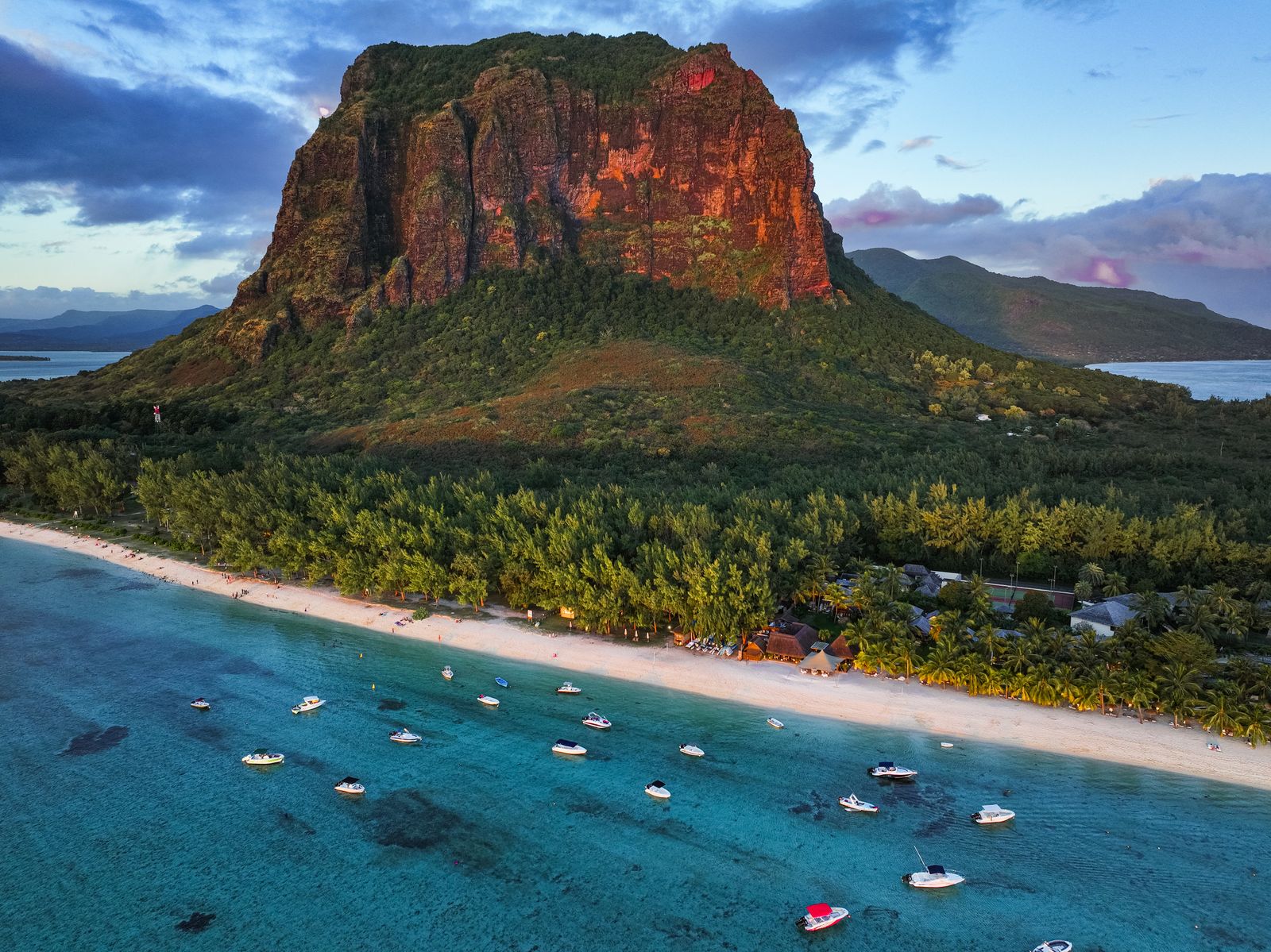
Mauritius travel health guide: no malaria, an active 2026 chikungunya outbreak, vaccines, cyclone season, and reef safety, from an ER physician.
Travel Health Guide: Mauritius (2026): Chikungunya, Vaccines, and What Actually Matters
Mauritius is malaria-free, and there is no yellow fever risk on the island, so most travelers need no antimalarials and no exotic vaccines to visit. The health story that actually matters in 2026 is chikungunya: the CDC issued a Level 2 travel notice for Mauritius on May 14, 2026, after an outbreak that had already passed roughly 3,300 reported cases by mid-May, driven by day-biting Aedes mosquitoes. In my practice, the travelers who get caught out here are not the ones who forgot a rare vaccine. They are the ones who packed no insect repellent for a "beach honeymoon" and came home with two weeks of disabling joint pain. Make sure your routine vaccines (especially MMR) are current, pack and use repellent daily, and buy travel insurance that covers cyclone-season disruption and medical evacuation. Everything else is detail.
Quick Facts
- Region: Southwest Indian Ocean, roughly 1,100 miles east of mainland Africa
- CDC malaria risk: None (Mauritius is malaria-free)
- Active 2026 alert: Chikungunya, CDC Level 2 (Practice Enhanced Precautions), issued May 14, 2026
- Other mosquito-borne risk: Dengue (Mauritius is on the CDC's frequent/continuous dengue-risk list)
- Yellow fever: No transmission risk on the island, but a vaccination certificate is required if you arrive from, or have spent 12+ hours in transit in, a country with yellow fever risk
- Recommended vaccines: MMR and routine vaccines for everyone; hepatitis A and typhoid for most; others based on your itinerary
- Cyclone season: November through April (January to March most active)
- Tap water: Treated and generally safe in major hotels and resorts; bottled water is the safer default elsewhere
- Travel insurance: Strongly recommended (cyclone disruption plus potential evacuation to Réunion or South Africa)
Overview: A Low-Infection-Risk Island With One Real Catch
Mauritius sits in a genuinely favorable spot on the travel health map. There is no malaria, no routine yellow fever risk, and the island's private healthcare is well regarded, with facilities that many expatriates compare to European hospitals. For a tropical destination this far into the Indian Ocean, that is an unusually clean bill of health.
The catch is the mosquito that bites during the day. Chikungunya and dengue are both spread by Aedes mosquitoes, which feed in daylight hours (peaking mid-morning and late afternoon) rather than at night like the malaria mosquito. That single fact changes how you protect yourself. The repellent routine that works for a malaria destination, where you cover up mainly at dusk, leaves you exposed during exactly the hours you are most likely to be sightseeing, snorkeling, or lounging by the pool in Mauritius.
As a physician, my framing for Mauritius is simple: the vaccine list is short and mostly routine, but the insect-bite prevention is not optional in 2026. Below I walk through the mosquito-borne risks first because they carry the current alert, then vaccines, then the non-infectious hazards (cyclones, water, reefs) that send more travelers to a clinic than any virus does.
Chikungunya: The 2026 Outbreak You Need to Plan Around
Chikungunya is the health headline for Mauritius right now. Cases have been reported on the island since January 2026, and by mid-May media-tracked figures had reached roughly 3,300 cases for the year, with an average of around 125 new cases reported daily and clusters in urban areas including Quatre-Bornes, Rose-Hill, Beau-Bassin, and Chemin-Grenier. On May 14, 2026, the CDC placed Mauritius under a Level 2 travel health notice ("Practice Enhanced Precautions"). Level 2 does not tell you to cancel your trip. It tells you that prevention matters more than usual.
Chikungunya causes sudden high fever and severe joint pain, often in the hands, wrists, and ankles. The fever usually breaks within a week, but the joint pain is the part travelers underestimate: it can linger for weeks or months, and in a minority of people it persists far longer. There is no specific antiviral treatment. Care is supportive, meaning rest, fluids, and pain control. In my experience, the returning travelers who suffer most are the ones who assumed a beach destination carried no real disease risk and used no repellent at all.
Two practical points. First, a chikungunya vaccine exists and the CDC lists it among the vaccines a clinician may recommend for travelers to affected areas, so it is worth discussing your eligibility during a pre-trip visit, especially if you are older or have arthritis. Second, and more universally, daily insect-bite prevention is the highest-value thing you can do. Use an EPA-registered repellent (DEET 20 to 30 percent, or picaridin 20 percent), apply it in the morning, and reapply through the day.
Dengue: The Other Day-Biting Mosquito Risk
Dengue shares Mauritius's Aedes mosquitoes and its daytime biting pattern, and the island appears on the CDC's list of areas with frequent or continuous dengue risk. The southwest Indian Ocean region, including nearby Réunion, has seen repeated and sometimes large dengue outbreaks in recent years, so this is not a theoretical concern.
Dengue causes high fever, headache, pain behind the eyes, muscle and joint aches, and sometimes a rash. Most cases resolve with rest and fluids, but a small percentage progress to severe dengue, which is a medical emergency. The single most important rule I give patients: if you develop a fever during or within two weeks of travel to Mauritius, do not take ibuprofen, aspirin, or other NSAIDs, because they raise bleeding risk if the illness turns out to be dengue. Use acetaminophen (paracetamol) for fever and pain instead, and seek medical care if you feel worse rather than better after the fever breaks.
The good news is that the prevention is identical to chikungunya prevention: the same repellent, the same daytime vigilance, the same long sleeves in the evening. One good insect-bite routine covers both viruses at once.
Vaccines for Mauritius: Shorter Than You Think
For most travelers, the Mauritius vaccine list is short and heavily weighted toward vaccines you may already have. The CDC recommends that all international travelers be up to date on routine vaccinations, and it specifically emphasizes measles: everyone should be fully protected with the MMR (measles, mumps, rubella) vaccine before international travel. Measles is circulating in many parts of the world in 2026, and it is one of the most contagious diseases we know of.
Beyond routine vaccines, the CDC lists hepatitis A and typhoid as recommended for most travelers to Mauritius, because both can be picked up through contaminated food or water. Hepatitis B, rabies, and the chikungunya vaccine are recommended for some travelers depending on the itinerary: rabies mainly for those with planned animal contact or long stays in areas far from care, and the chikungunya vaccine for eligible travelers given the current outbreak. Your clinician will match the list to your specific trip, age, and health history.
Here is the workflow point that trips people up. On Wandr, travel vaccines and prescription medications follow two different paths. For vaccines like hepatitis A and typhoid, Wandr books your appointment at a partner pharmacy (currently Walgreens); you pick a location and time, and the pharmacist administers the vaccine on-site, with no separate doctor's visit required. For prescription medications, our clinicians review your profile and call the prescription in to your local pharmacy for pickup. Keeping those two straight saves you a phone call and a wasted trip.
Skip the clinic runaround. Book your travel vaccine appointment through Wandr and pick a pharmacy time that works for your schedule.
Yellow Fever: No Risk on the Island, but Check Your Route
Mauritius has no yellow fever transmission, so you are not at risk of catching it there. What Mauritius does have is an entry requirement tied to where you are coming from. Under the International Health Regulations, Mauritius requires proof of yellow fever vaccination from travelers age 1 and older who arrive from a country with yellow fever risk, or who have spent more than 12 hours in transit at an airport in such a country.
For a traveler flying directly from the United States, this requirement does not apply. It becomes relevant if your itinerary routes you through, or includes a stop in, a yellow fever risk country in Africa or South America first. If your trip pairs Mauritius with a safari in East Africa, for example, the order of your countries can determine whether you need the certificate and the documentation to prove it. A yellow fever certificate is valid for life under current WHO rules, so if you have been vaccinated before, you are covered.
Because Mauritius uses its own government-determined list of risk countries, verify your specific route against an official source before you fly. As of July 2026, confirm your requirement through the WHO yellow fever country list or the Government of Mauritius, and travel with your vaccination card if the certificate applies to you.
Cyclone Season: The Weather Risk That Belongs in Your Insurance Plan
Mauritius's cyclone season runs from November through April, with January to March historically the most active window. Direct cyclone strikes are relatively uncommon (roughly once every few years), and the island's forecasting and infrastructure are strong, but tropical storms, heavy rain, and flash flooding are more frequent, and they matter for your trip logistics. During a cyclone, the airport can close and flights can be canceled or delayed.
From a health standpoint, the cyclone connection I stress most is the water supply. After heavy tropical rains, the tap water can become more prone to contamination, which is a good reason to lean on bottled or filtered water during and after storm periods (more on water below). The other connection is insurance: many travel policies exclude weather-related claims unless you buy the policy shortly after your initial trip deposit, so the timing of your purchase can decide whether a canceled flight is covered.
If you are traveling in the November-to-April window, this is the single biggest reason to insure the trip early rather than as an afterthought. The Mauritius Tourism Board generally points to April to June and September to December as the most agreeable periods to visit, which conveniently sit at the edges of, or outside, the peak cyclone risk.
Traveling during cyclone season? Get travel insurance through Wandr and buy it early so cyclone-related cancellations and delays are actually covered.
Food, Water, and Traveler's Diarrhea
Tap water in Mauritius is treated and considered safe to drink in major hotels and resorts, but the quality varies by location and can degrade after heavy rains. For a short trip, the low-effort insurance policy is to default to bottled or filtered water, skip ice at small street stalls, and be selective about raw or unpeeled produce. This is the same food-and-water caution that applies across much of the tropics, and it is why hepatitis A and typhoid vaccination are on the recommended list.
Traveler's diarrhea is still the most common illness travelers actually experience, far more common than any mosquito-borne virus. Most cases are mild and self-limited, resolving in a day or two with oral rehydration. Pack oral rehydration salts and an antidiarrheal for convenience. For travelers whose itinerary or health history warrants it, a clinician may prescribe a standby antibiotic such as azithromycin to carry for a more severe episode. If you want that safety net, our clinicians can review your profile and call the prescription in to your local pharmacy for pickup before you leave.
For the deeper playbook on prevention and treatment, see our complete guide to traveler's diarrhea and our breakdown of food and water safety for travelers.
Reefs, Stonefish, and Ocean Safety
Mauritius is ringed by lagoons and coral reefs, and the ocean is a bigger source of real injuries than any infection on this island. The hazard I want every traveler to know about is the stonefish, one of the most venomous fish in the world, which camouflages perfectly against coral and rubble in the shallows. Stepping on one drives venomous spines into the foot and causes immediate, severe pain that requires urgent medical attention. The prevention is boring and effective: wear sturdy water shoes any time you are walking in the shallows, on reef flats, or over rocky bottoms, and never put a bare foot down where you cannot see the seabed.
Two more ocean rules. First, respect the beach warning flags and be alert to rip currents; drowning, not wildlife, is the leading cause of serious ocean injury for tourists worldwide. Second, do not touch marine life. Cone snails, sea urchins, and lionfish all carry their own venom, and most stings happen when someone reaches out to handle something beautiful. Sharks, by contrast, are a near-nonexistent risk in Mauritian waters; interactions with humans are extremely rare.
For sun exposure, the equatorial-latitude UV is stronger than most first-time visitors expect, and a bad sunburn can wreck a beach vacation. Our guides to sunburn treatment and prevention and reef-safe sunscreen cover both protecting your skin and protecting the reef you came to see.
Healthcare and Medical Evacuation in Mauritius
If something does go wrong, Mauritius is a reassuring place to need care. Private healthcare on the island is well regarded, with modern hospitals such as C-Care Darné and C-Care Wellkin offering specialized services and equipment comparable to European facilities. Private hospitals are generally better equipped and faster than the public system, so for tourists, private care is the practical default. Care is paid up front, and you claim it back through insurance, which is exactly what travel insurance is for.
For complex or critical cases that exceed what the island can handle, medical evacuation is arranged to Réunion (about an hour away by air), South Africa (roughly four hours), or farther afield. Air evacuation is extraordinarily expensive out of pocket, which is the second major reason (after cyclone disruption) that I consider travel insurance close to mandatory for Mauritius rather than optional. Confirm before you buy that your policy includes emergency medical evacuation with a high enough coverage limit to reach a tertiary hospital in the region.
Packing Checklist: Health Essentials for Mauritius
- EPA-registered insect repellent (DEET 20 to 30 percent or picaridin 20 percent), applied daily during daylight hours
- Long-sleeved, lightweight clothing for dawn and dusk
- Water shoes for reef flats and rocky shallows (stonefish protection)
- Reef-safe, high-SPF sunscreen and a wide-brimmed hat
- Acetaminophen (paracetamol) for fever, and specifically not NSAIDs like ibuprofen if dengue is a possibility
- Oral rehydration salts and an antidiarrheal
- Any personal prescription medications in their original labeled containers, with a copy of the prescription
- Proof of yellow fever vaccination if your route requires it
- A copy of your travel insurance policy, including the medical evacuation and emergency assistance phone number
Frequently Asked Questions
Do I need malaria pills for Mauritius? No. Mauritius is malaria-free, and the CDC lists no malaria risk for the island, so antimalarial medication is not recommended for a standard Mauritius trip. If your itinerary also includes a mainland African country with malaria risk, you may need prophylaxis for that portion, which a clinician can advise on.
Is there a chikungunya outbreak in Mauritius right now? Yes. The CDC issued a Level 2 chikungunya travel notice for Mauritius on May 14, 2026, after cases climbed to roughly 3,300 by mid-May. Trips are not discouraged, but daily insect-bite prevention is strongly advised, and eligible travelers should discuss the chikungunya vaccine with a clinician.
What vaccines do I need for Mauritius? Everyone should be current on routine vaccines, especially MMR (measles). The CDC recommends hepatitis A and typhoid for most travelers to Mauritius, with hepatitis B, rabies, and the chikungunya vaccine advised for some travelers based on itinerary and health history.
Do I need a yellow fever certificate for Mauritius? Only if you arrive from, or spend more than 12 hours in transit in, a country with yellow fever risk. Travelers flying directly from the United States do not need one. Verify your specific route against an official source, since Mauritius maintains its own list of risk countries.
Is the tap water safe to drink in Mauritius? Tap water is treated and generally safe in major hotels and resorts, but quality varies by location and can decline after heavy rains. For a short trip, bottled or filtered water is the safer default, and it is wise to avoid ice at small stalls.
When is cyclone season in Mauritius? Cyclone season runs from November through April, with January to March the most active. Direct strikes are uncommon, but storms can close the airport and cause flight delays, so travel insurance purchased early is important during this window.
What is the most dangerous thing in the water in Mauritius? The stonefish, a highly venomous, well-camouflaged fish in shallow reef areas, is the marine hazard travelers most need to respect. Wearing water shoes in the shallows prevents most stings. Rip currents are also a serious drowning risk, so obey beach warning flags.
Should I buy travel insurance for Mauritius? Yes. Two factors make it especially worthwhile: cyclone-season flight disruption (buy the policy early so weather claims are covered) and the high cost of medical evacuation to Réunion or South Africa if a serious emergency exceeds local care.
Medical Disclaimer
This article is for general educational purposes and reflects travel health guidance as of July 2026. It is not a substitute for individualized medical advice. Vaccine recommendations, outbreak status, and entry requirements change; confirm current guidance with the CDC, the WHO, and a licensed clinician before your trip. If you are pregnant, immunocompromised, or managing a chronic condition, seek personalized advice before traveling.
Sources: CDC Travelers' Health, Mauritius; CDC Travel Health Notice, Chikungunya in Mauritius (Level 2); WHO Yellow Fever Vaccination Requirements Country List; NaTHNaC, Mauritius; CDC Yellow Book, Yellow Fever and Malaria Information by Country; CDC Dengue, Areas with Risk; Smartraveller, Mauritius.
Alec Freling, MD is a board-certified emergency medicine physician and co-founder of Wandr Health with ER experience treating returning travelers.