
Do I Need Malaria Pills for My Trip? A Physician's Decision Guide
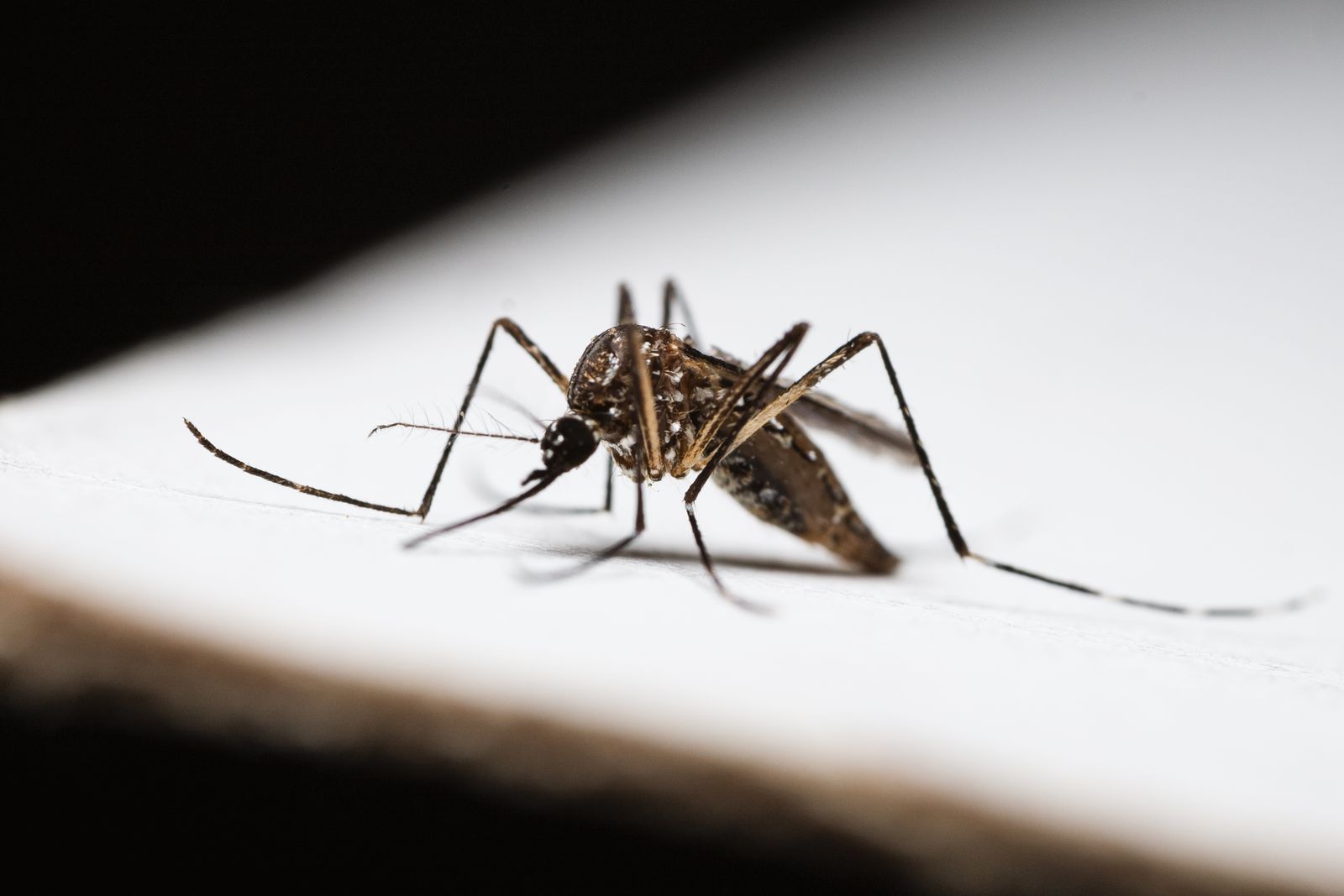
Find out if you need malaria pills for your trip. A physician explains which destinations require antimalarials, how to choose the right medication, and how to get them online.
Do I Need Malaria Pills for My Trip? A Physician's Decision Guide
Yes, you need malaria pills if you are traveling to any of the 83 countries where malaria remains endemic, according to the WHO World Malaria Report [1]. As a team of travel medicine specialists, we've treated returning travelers with malaria in the ER, and we can tell you that nearly all of the roughly 2,000 malaria cases diagnosed in the United States each year are acquired abroad, and 93% of those infections come from Africa [2]. The good news: antimalarial prophylaxis (malaria prevention medication) reduces your risk by over 90% when taken correctly. The decision comes down to where you're going, what you'll be doing there, and which medication fits your health profile. Through Wandr Health, you can complete a destination-specific health assessment and get the right antimalarial prescribed and delivered to your door before departure, saving hundreds compared to an in-person travel clinic visit.
Which Destinations Require Malaria Pills?
Malaria pills are recommended by the CDC for travelers visiting countries with active malaria transmission, particularly across sub-Saharan Africa, South Asia, Southeast Asia, and parts of Central and South America [2]. Sub-Saharan Africa carries the heaviest burden by far: the WHO African Region accounts for 94% of all malaria cases and 95% of malaria deaths worldwide [1]. Ten countries alone represent 66% of global cases: Nigeria, the Democratic Republic of the Congo, Uganda, Ethiopia, Mozambique, Angola, Tanzania, Cote d'Ivoire, Mali, and Burkina Faso [1]. For travelers heading to popular safari destinations like Kenya or Tanzania, antimalarials are non-negotiable. In Southeast Asia, risk is concentrated in rural and border regions rather than major cities like Bangkok or Bali's tourist areas. South American travelers need prophylaxis primarily for Amazon basin regions in Brazil, Peru, and Colombia [2].
How to Decide If You Need Malaria Medication
Malaria pills are not a blanket recommendation for every international trip. The decision depends on four factors that our providers will evaluate. First, your destination country and the specific regions within it: malaria risk varies dramatically within a single country. Urban Bangkok has negligible risk, while Thailand's border with Myanmar has active transmission [2]. Second, the season and duration of your stay: rainy seasons increase mosquito populations and transmission rates. Third, your itinerary type: a resort traveler faces different exposure than a backpacker sleeping in open-air accommodations. Fourth, your personal health history: pregnancy, age under 8 (for certain medications), G6PD deficiency, and liver or kidney conditions all influence which antimalarial is appropriate [3]. In our clinical experience, the travelers who skip prophylaxis are almost always the ones who underestimate their risk.
Understanding Regional Malaria Risk Levels
Malaria pills are prescribed based on destination-specific risk data published in the CDC Yellow Book. Here is a breakdown of risk levels for the most popular travel destinations among U.S. travelers:
This table reflects CDC and WHO guidance as of 2026 [2][4]. Risk levels can change with outbreaks, so always confirm current advisories before travel.
Choosing the Right Antimalarial Medication
Malaria pills come in several formulations, and the right choice depends on your destination, trip length, budget, and health profile. The CDC lists four primary options for prophylaxis [3]:
We prescribe atovaquone-proguanil (Malarone) most frequently for short to medium trips because of its favorable side-effect profile, short lead time, and only 7-day post-travel course. Doxycycline is an excellent alternative for travelers on a budget, though the 28-day post-travel requirement and sun sensitivity are worth noting. Mefloquine's weekly dosing makes it convenient for extended stays, but its neuropsychiatric side effects (vivid dreams, anxiety, dizziness) limit its use [3]. Tafenoquine is the newest option and requires G6PD testing with a quantitative lab test before prescribing, as it can cause life-threatening hemolytic anemia in G6PD-deficient individuals [3].
What Happens If You Skip Malaria Pills
Malaria pills are your primary medical defense against a disease that kills over 600,000 people globally each year [1]. Skipping prophylaxis when traveling to a high-risk area is a gamble with serious consequences. Plasmodium falciparum, the most dangerous malaria species and the dominant strain in Africa, can progress from initial fever to organ failure and death within 48 to 72 hours if untreated [2]. Having treated returning travelers with malaria in the ER, we've seen firsthand how quickly the disease escalates. Symptoms often mimic a common flu initially: fever, chills, headache, and body aches. By the time patients realize it's not the flu, they may already have severe anemia, respiratory distress, or cerebral involvement. The CDC reports that among U.S. civilians who contracted malaria abroad, 76% were visiting friends and relatives, a group that frequently underestimates risk because they assume familiarity with the region provides protection [2]. It does not.
How to Get Malaria Pills Before Your Trip
Malaria pills require a prescription in the United States, but you don't need to visit a travel clinic in person to get one. Online travel health platforms like Wandr Health allow you to complete a destination-specific health questionnaire, receive a physician review within 24 hours, and have your medications shipped directly to your door. The process takes about 10 minutes, and you'll save hundreds compared to a traditional travel clinic where the consultation alone costs $75 to $130 before vaccine and medication fees [5]. The CDC recommends starting the process 4 to 6 weeks before departure, though Malarone's short lead time (1 to 2 days before travel) makes it viable for last-minute travelers as well [2]. Start your visit at Wandr Health to have our providers evaluate your health profile and send antimalarials directly to your door, or book vaccine appointments and secure travel insurance in the same visit, so your entire pre-trip health preparation is handled in one place.
FAQ
Do I need malaria pills for a safari in Kenya or Tanzania?
Yes. Malaria transmission occurs year-round across virtually all safari regions in Kenya and Tanzania, which are below 2,500 meters elevation. The CDC recommends antimalarial prophylaxis for all travelers to these countries. Our providers typically prescribe atovaquone-proguanil (Malarone) or doxycycline. Start your medication 1 to 2 days before arriving [2]. Start your Wandr visit to get your prescription.
Can I skip malaria pills if I'm only going for a few days?
No. Even a single mosquito bite can transmit malaria, and the Anopheles mosquitoes that carry the parasite are most active between dusk and dawn. A 3-day safari in a high-transmission zone carries meaningful risk. Short-trip travelers should take atovaquone-proguanil (Malarone), which requires only a 7-day post-travel course [3]. Get your prescription through Wandr.
Do I need malaria pills for Thailand or Bali?
It depends on your itinerary. Major tourist areas in Thailand (Bangkok, Phuket, Chiang Mai city) and Bali's main resort areas have minimal malaria risk. However, rural border regions of Thailand and eastern Indonesia have active transmission. Check your specific destinations against the CDC's country-level guidance [2]. This is something we discuss during your Wandr visit.
Are malaria pills safe during pregnancy?
Mefloquine is the only antimalarial currently recommended by the CDC for use during all trimesters of pregnancy. Doxycycline is contraindicated in pregnant women. Atovaquone-proguanil lacks sufficient safety data for pregnancy. Pregnant travelers should start a Wandr visit where our providers can discuss your specific situation and help you decide whether to travel to high-risk malaria zones [3].
How much do malaria pills cost without insurance?
Doxycycline is the most affordable option at roughly $10 to $30 for a 2-week supply (generic). Atovaquone-proguanil (brand-name Malarone) can run $150 to $300 for a 2-week course, though generic versions are significantly cheaper at $40 to $80. Mefloquine falls in between. Online travel health platforms like Wandr Health often provide more competitive pricing than traditional travel clinics.
Do I need a prescription for malaria pills in the US?
Yes. All antimalarial medications used for prophylaxis require a prescription from a licensed physician in the United States. You can get this prescription through an in-person travel clinic, your primary care provider, or an online platform like Wandr Health that connects you with a physician who specializes in travel medicine [3].
How far in advance should I get malaria pills before traveling?
The CDC recommends a travel health consultation 4 to 6 weeks before departure. However, the required lead time depends on your medication: mefloquine requires starting 2 to 3 weeks before travel, while atovaquone-proguanil and doxycycline only need 1 to 2 days [3]. If you're a last-minute traveler, start your Wandr visit to get a prescription turned around within 24 to 48 hours.
Is there a malaria vaccine I can get instead of pills?
Two malaria vaccines (Mosquirix and R21/Matrix-M) have been approved by the WHO and are being rolled out in 24 endemic countries as of 2025, primarily for children in high-risk areas [1]. These vaccines are not available in the United States and are not designed for short-term traveler protection. For now, antimalarial pills remain the standard of care for travel prophylaxis.
Sources
- World Health Organization. World Malaria Report 2025. WHO Global Malaria Programme. https://www.who.int/teams/global-malaria-programme/reports/world-malaria-report-2025
- Centers for Disease Control and Prevention. "Malaria." CDC Yellow Book, 2026 Edition. https://www.cdc.gov/yellow-book/hcp/travel-associated-infections-diseases/malaria.html
- Centers for Disease Control and Prevention. "Choosing a Drug to Prevent Malaria." https://www.cdc.gov/malaria/hcp/drug-malaria/index.html
- Centers for Disease Control and Prevention. "Yellow Fever Vaccine and Malaria Prevention Information, by Country." CDC Yellow Book, 2026 Edition. https://www.cdc.gov/yellow-book/hcp/preparing-international-travelers/yellow-fever-vaccine-and-malaria-prevention-information-by-country.html
- Estimated cost range based on published travel clinic pricing; individual clinic costs vary.