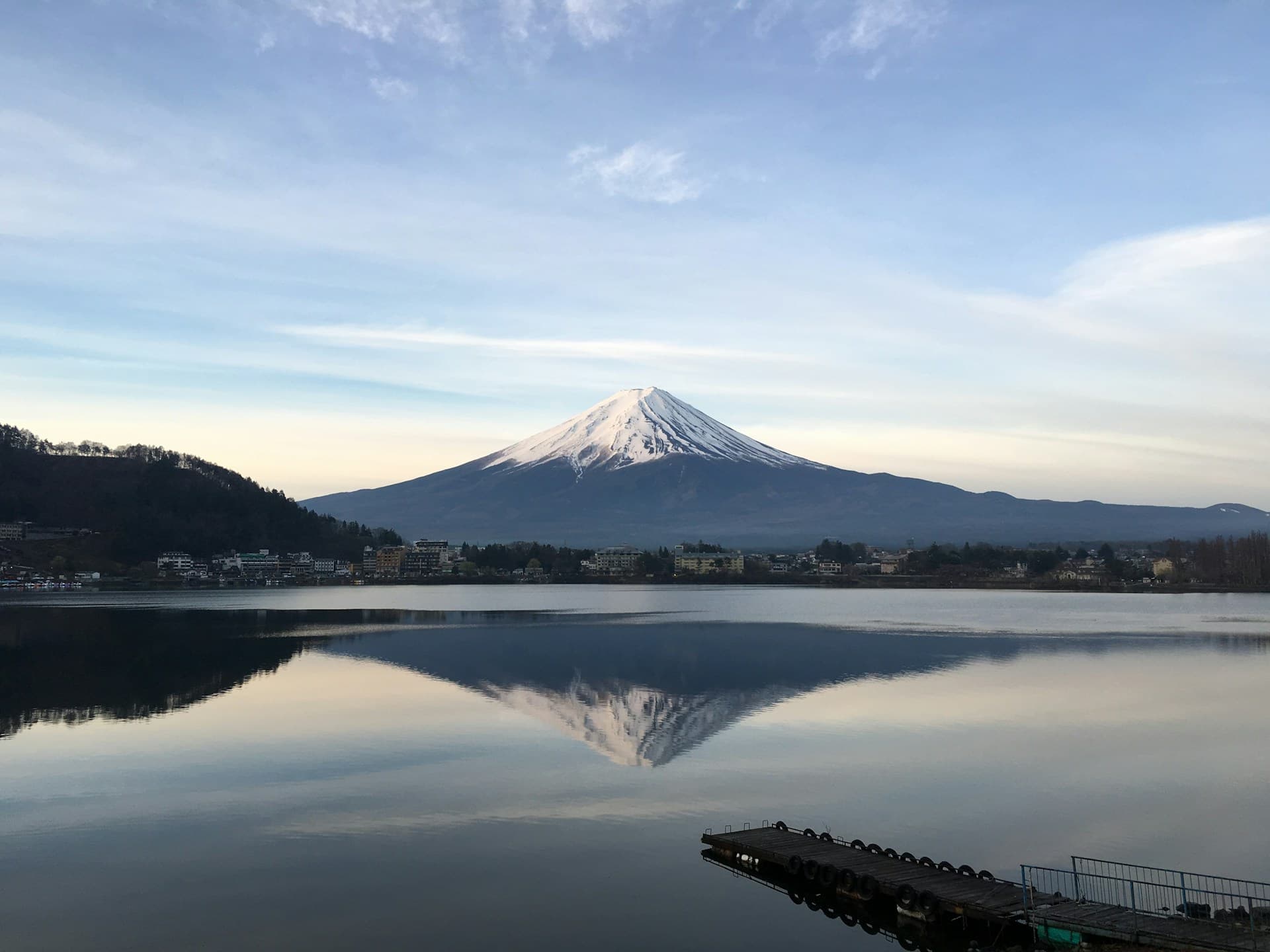
Travel medicine for Japan
Mount Fuji is a 12,389-foot climb done in one overnight push.
Get the altitude medication the CDC recommends for ascending above 2,500 meters, prescribed without the appointment. Sent to your pharmacy, ready before you fly.
- Physician-founded
- Licensed in all 50 states
- HSA / FSA eligible
- Same-day Rx in most cases
Most people climb Fuji from the 5th Station at 2,305 meters, sleep a few hours in a hut near 3,400 meters, and push to the 3,776 meter summit for sunrise. That is roughly 1,500 meters of gain in a single overnight, the exact rapid-ascent profile the CDC links to acute mountain sickness. The mountain looks like a long day hike, but the air at the top holds about a third less oxygen than at sea level, and many climbers feel it as headache, nausea, and the dizziness that turns people back at the 8th station. Acetazolamide compresses the body's three to five day acclimatization into one. Started the day before you climb, it is the difference between watching the sunrise from the crater rim and watching it from a hut window.
Japan travel health guide — vaccines, snapshot overview, and what to review before you go.
Orders are reviewed and prescriptions sent to your pharmacy within 24 hours.
Booking questions, platform help, or just not sure where to start, give us a call.
+1 (302) 251-2302Rx at your pharmacy in three steps.
No appointment. No waiting room. Answer a few questions and a licensed provider reviews within hours.
Your destination, dates, health history, and current medications. Takes about 2 minutes.
A licensed clinician reviews your health profile, checks for interactions, and approves your prescription.
- Allergy screen passed
- Drug interactions clear
- Prescription approved
Your approved prescription is sent electronically to the pharmacy of your choice. Pick it up when your pharmacy has it ready.
Skip the appointment. Get the same Rx.
Both columns cover the visit and prescribing only. Your pharmacy bills the medication itself on either side.
Mount Fuji medication FAQ
- The standard climb starts at the 5th Station around 2,305 meters, has you sleep in a hut near 3,400 meters, and pushes to the 3,776 meter summit before dawn. That is about 1,500 meters of gain in a single overnight, which is the fast-ascent profile the CDC associates with acute mountain sickness. The summit is well above the 2,500 meter threshold the CDC uses, and the overnight hut altitude already crosses the risk line. Acetazolamide compresses the three to five day acclimatization the CDC describes into one, started the day before you climb. It is the most reliable way to keep day one from ending at the 8th station.
Fuji climbs to 12,389 feet overnight. Start the medication that gets you to the rim.
Get the acetazolamide the CDC recommends for ascending above 2,500 meters, prescribed without the appointment.